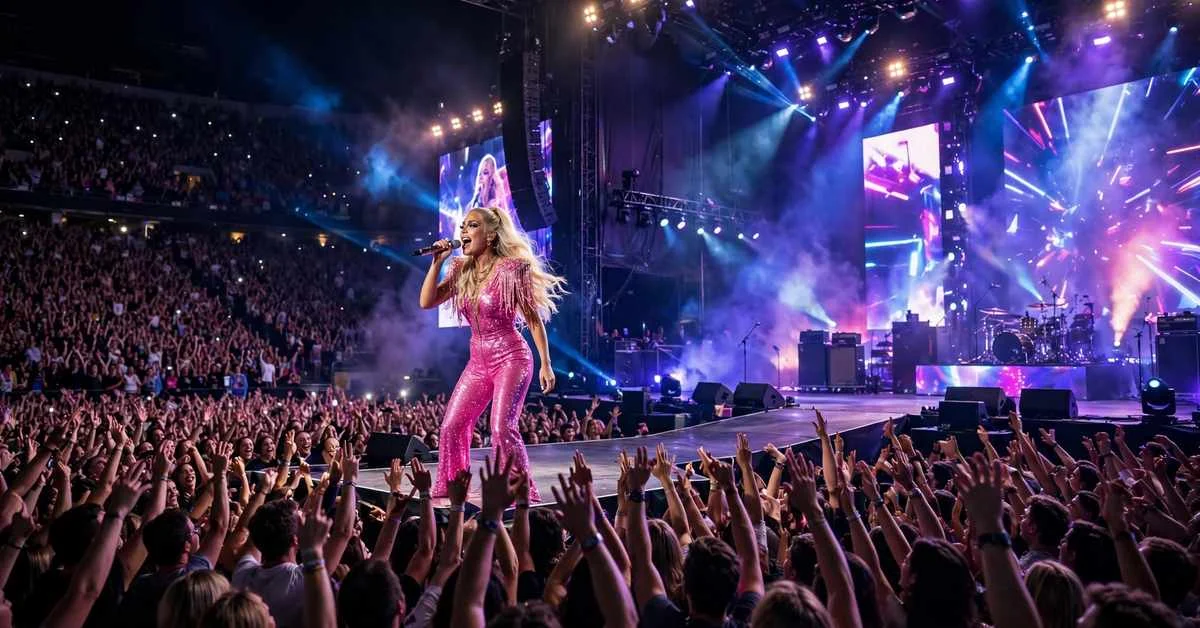
In slang, mother is the highest honorific in stan culture. It is a title fans give to someone iconic, powerful, and nurturing, all at the same time. Calling a pop star mother means she raised you, in a way. Her music, her looks, and her attitude helped shape who you are today. The word comes from Black and Latino LGBTQ ballroom culture, where a house mother guided and protected her chosen family. Now you will see it in comment sections everywhere. Beyonce gets called mother. Lady Gaga gets called mother. Taylor Swift gets called mother. It has nothing to do with actual parenting. It is about impact so deep that fans feel raised by it.
What Mother Means in Slang
Mother, as slang, is a noun and a crown. You do not call someone mother because she gave birth. You call her mother because she leads, she provides, and she sets the standard. The title carries warmth and authority at once. A mother figure in this sense feeds her fans with art, with looks, and with moments they will never forget.
Think of it as the top shelf of praise. Fans have many words for artists they love, but mother sits above them all. It says: you are not just talented, you are foundational. People build their taste, their style, and sometimes their confidence on what you put into the world. That is why the word hits so hard. It turns admiration into family.
Where the Title Came From
The roots of mother as an honorific run deep into ballroom culture. In the ballroom scene of New York, LGBTQ people, many of them Black and Latino, formed houses. Each house had a mother, and sometimes a father. The house mother was a mentor and protector. She taught newcomers how to walk, how to dress, and how to survive in a world that often rejected them.
This was not play acting. For many house members, the house mother was the only parent figure who truly accepted them. The title carried real weight. It meant wisdom, shelter, and fierce loyalty. The 1990 documentary about the scene helped outsiders see this world, but the culture itself is older, stretching back through the late 1900s.
So when someone is called mother today, the echo of that history is still there. It is a word about chosen family. It is a word about someone who takes care of her people while dominating her craft.
How Mother Left the Ballroom
Like much of ballroom language, mother traveled from the underground into the mainstream through pop culture. One famous moment came back in 2014, when the singer Lorde responded to a striking magazine cover by Kim Kardashian with a single word: MOM. She later explained that among young fans, calling someone mom was a compliment. It meant adopt me, be my second mother, you are epic.
From there, stan Twitter took the word and ran with it. Fan accounts started calling their favorite artists mother under every major moment. A show stopping performance? Mother. A flawless red carpet look? Mother. A surprise album drop? Mother. The word became the standard reaction to excellence, and it spread far beyond its original scene.
This journey is worth knowing because it explains the respect baked into the term. Mother did not start as a joke. It started as a title of real honor in a community that needed its own family structures.
Who Earns the Title of Mother
Not everyone gets called mother. The title goes to artists with a rare mix of longevity, reinvention, and devotion to their fans. Beyonce is perhaps the most cited example. During her Renaissance era, fans crowned her the mother of the House of Renaissance, a direct nod to ballroom language. She had the catalog, the stage command, and the care for her audience to earn it.
Lady Gaga earned a version of it even earlier. Her fans call themselves Little Monsters, and she is their Mother Monster. The name stuck because Gaga built her career on accepting the outsiders, much like a house mother would. On stage she is always stunting, yet it never feels forced, because the performance is for her people, not just for show. Taylor Swift joined the ranks as her fan base grew into a generation spanning force, with fans saying her music raised them through their teens and twenties.
The pattern is clear. A mother in stan culture has hits, yes, but she also has heart. She shows up for her people. She evolves without losing herself. And she makes her fans feel seen.
Mother vs Queen vs Icon
Fans hand out many titles, so it helps to know how mother differs from the rest. Queen is about royalty in a specific lane. A queen of pop rules pop. An icon is about cultural footprint, a name that lasts across decades. Mother is different from both. It adds the nurturing layer.
A queen can feel distant, seated on a throne. A mother feels close, even while being powerful. You admire a queen. You feel raised by a mother. That emotional closeness is the whole point. It is also why mother often beats the other titles in fan wars. Calling your fave mother is glazing at its absolute peak, praise so intense it becomes family.
The titles can overlap, of course. Beyonce is a queen and an icon and a mother, all at once. But each word says something different, and fans choose carefully.
How to Use Mother in a Sentence
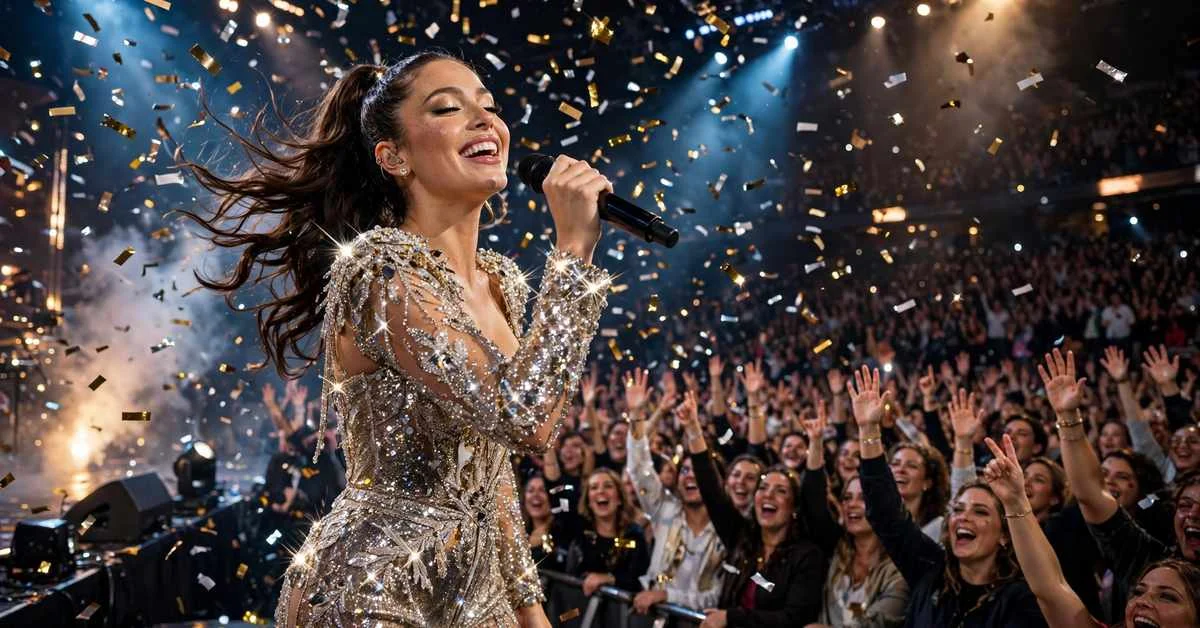
Using mother is simple, which is part of its charm. The most common move is to drop the single word as a comment. Under a jaw dropping photo, fans just write mother, and everyone understands. It works as a full reaction on its own.
You can also build it into a sentence. Fans write things like mother understood the assignment under a perfect music video. Or they say she will always be mother when defending a favorite against critics. The tone is loving and a little dramatic, never cold. It is the opposite of a throwaway comment. It is fans choosing to gas up someone they truly admire, in front of everyone.
A few things to keep in mind. The word is almost always positive. It is also public. People say it in comments and posts where other fans can see and agree. Saying it is a way of joining the family, of showing you get it.
When Not to Call Someone Mother
Because the title is so powerful, handing it to just anyone waters it down. If every artist is mother, then no one is. Fans guard the word for a reason. It should mark someone who has truly earned that level of devotion.
It is also worth remembering where the word came from. Mother as an honorific grew out of ballroom culture, a space built by Black and Latino LGBTQ people. Using it with that history in mind, rather than as an empty meme, shows respect. The word carries their creativity and their survival.
And a small note: calling a stranger mother to their face can confuse people outside stan culture. Online, among fans, it is pure love. Offline, read the room. Not everyone speaks stan.
FAQs
Is mother slang only for women?
Mostly, but not strictly. The title grew around female artists and house mothers, and the vast majority of people called mother are women. Still, the core idea is about nurturing power, not gender. Some male artists with devoted fan bases get the title too, though it is far less common.
What does mother of the house mean?
In ballroom culture, it meant the leader and caretaker of a house. In stan culture, fans borrow the phrase for fun, like calling Beyonce the mother of the House of Renaissance during that era. It is a playful tribute to the original meaning.
What is muva?
Muva is a stylized spelling of mother, popularized in part by Amber Rose, who called herself Muva Rosebud. It carries the same energy as mother, just with extra flair. You will see it in captions and comments as a bolder version of the word.
Can mother be an insult?
In stan slang, no. It is one of the warmest things a fan can say. Outside of stan culture, tone matters as always, but within the fandom world, mother is pure praise.
Conclusion
Mother is more than a slang word. It is a title with roots, a crown passed from the ballroom houses of New York to the biggest stages on earth. When fans call an artist mother, they are saying she leads, she nurtures, and she defines an era. The word works because it mixes power with care, authority with love.
So the next time you see a comment section flooded with a single word under a stunning photo or a historic performance, you will know what is happening. The fans are not just praising. They are claiming family. And in stan culture, there is no higher honor than mother.

I’m Riley Spencer. I track down the latest slang, memes, and viral phrases for grammerzones.com, explaining what they mean and how people actually use them, in plain simple words.