A scouser is a person from Liverpool, England. The word comes from scouse, a hearty stew that working class families and sailors ate in the city. Today locals wear the label with pride, and the word also covers the famous accent, the quick humor, and the whole Liverpool way of life.
Think of it like this. Some cities give their people a plain name, like New Yorker. Liverpool gave its people a nickname with flavor. Say scouser and most people in Britain instantly picture the accent, the football passion, and the famous wit. The word has traveled far too. Football fans, music lovers, and now fight fans hear it all the time.
This guide breaks down where the word really comes from, what makes the identity special, when the word is a compliment and when it stings, and how to use it without stepping wrong.
The Stew That Became a People
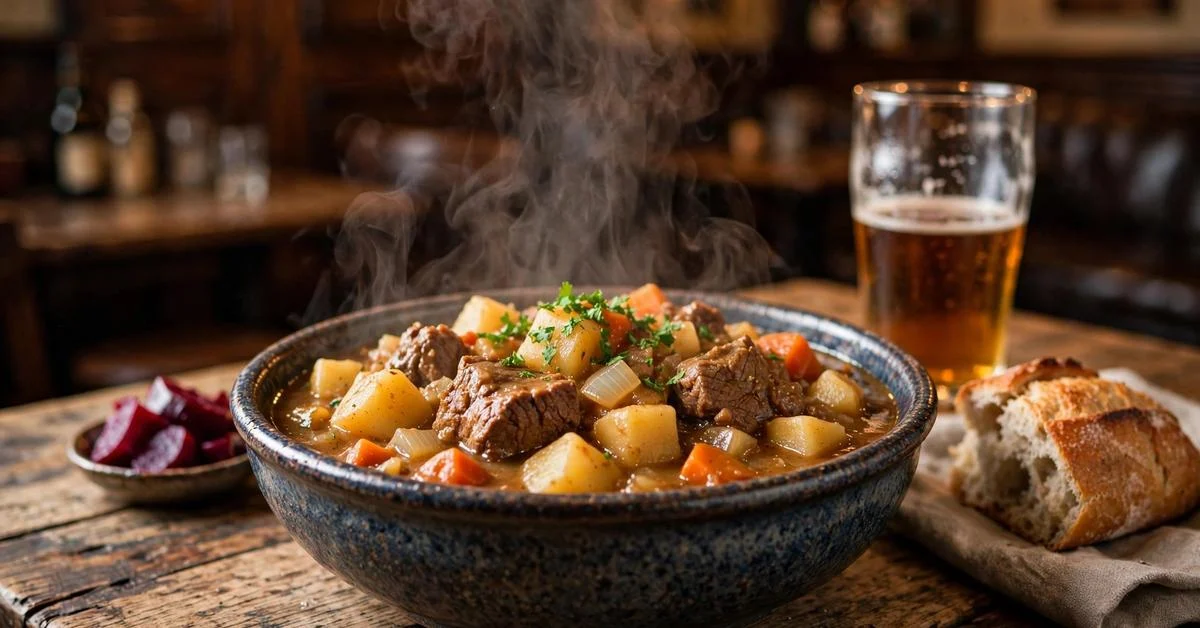
Long before it described people, scouse was dinner. The full name was lobscouse, a cheap stew eaten by sailors across northern Europe. The dish had cousins with similar names in Norway, Sweden, Denmark, and northern Germany. Liverpool was a great port city, so sailors and poor families there cooked it often. Meat, potatoes, carrots, and onions went into one pot. It filled stomachs for very little money.
By the 1800s, outsiders started calling people from Liverpool after the dish. Back then it was probably not a compliment. It was a working class label thrown at dockers and sailors. But Liverpool people did what proud people do. They took the word and made it their own.
The accent picked up the name too. Outsiders heard the local way of speaking and called it scouse. Then the people became scousers. By the 1950s the word was common across Britain, helped along by a popular BBC sitcom that featured a Liverpudlian character in a regular argument with a Londoner. The Beatles then carried Liverpool, and the word, to the whole planet.
So the journey goes like this. A sailor stew becomes a local dish. The dish becomes a nickname for the people. The people turn the nickname into a badge of honor. Few slang words have traveled such a long road.

The Accent Everyone Recognizes
You can often spot a scouser before you see one. The accent is one of the most distinctive in Britain. It is fast, nasal, and musical. Linguists trace it to a mix of influences: Irish and Welsh immigrants in the 1800s, visiting Scandinavian sailors, and the old Lancashire speech of the area. The result sounds like nothing else in England.
A few trademarks stand out. The letter t gets a breathy hiss, so a word like take sounds different. The th sound turns hard and punchy. Locals drop the h and the g in casual speech. And the rhythm has a bounce that makes even ordinary sentences sound friendly. Surveys often rank the accent among the happiest sounding in Britain.
The dialect has its own vocabulary too. Boss means great. Lad is a friendly term for a young man. La works as a warm tag at the end of sentences. Youse stands in for you all. Sound means okay or good. Made up means delighted. Put these together and you get the flavor of everyday scouse talk.
The accent also tells a story of change. Older recordings, like the early Beatles interviews, sound softer and slower. The modern city center accent is quicker and sharper. Both are unmistakably scouse.
More Than a City: The Identity Kit
Being a scouser is about more than being born in Liverpool. Locals describe it as a full identity kit with a few required pieces.
Humor comes first. Scousers have a famous reputation for quick wit. The style is warm and self mocking, full of banter and playful teasing. A scouser can turn a boring queue into a comedy show. This humor shows up in the city famous sons and daughters, from comedians to the playful interviews of its footballers.
Music runs deep. Liverpool gave the world the Beatles, and the city treats music like a birthright. Walk through town and you will hear live bands in pubs on any night. The love of music is part of what makes a scouser a scouser.
Football is the other religion. The city holds two giant clubs, Liverpool FC in red and Everton in blue. Match days split families and friendships down the middle. The rivalry is fierce but mostly friendly. Pick a color, as locals say, and defend it for life. This football culture gives scousers their tuff edge, the refusal to back down that fans admire.
Family and loyalty round out the kit. Scousers are known for sticking together, for generosity, and for dressing sharp on a night out. Move to London or New York and a scouser stays a scouser. The identity travels with the person.
When the Word Cuts Both Ways
Most of the time, scouser is a proud label. People from Liverpool call themselves scousers gladly. Sports stars do it on television. Musicians do it in interviews. It signals belonging.
But context matters. In football, rival fans sometimes use the word as a taunt. Chants and banners can turn it into an insult on match day. The same word that feels warm in a Liverpool pub can feel sharp in a rival stadium. That is the honest truth about many identity words. The speaker and the setting decide the meaning.
There is also a simple rule about who can use it freely. If you are from Liverpool, say it with pride. If you are not, use it with respect. Calling someone a scouser as a neutral description is fine. Using it to mock the accent or the city is not. When in doubt, watch how locals use it and follow their lead. A little tbh honesty helps: if your tone would sound mean to a stranger, do not say it.
The word has also escaped its city. People now use scouser to describe anyone acting like a true Liverpudlian, even far from England. A fan in another country who learns the songs, copies the accent, and lives for the football might earn the label as a compliment.
How to Use It Without Stepping Wrong
Using scouser correctly is easy once you know the rules. Here is a practical guide.
- Use it as a neutral label. He is a scouser means he is from Liverpool. Simple and safe.
- Use it with admiration. The scousers in that crowd were brilliant works when you mean the people and their spirit.
- Do not use it as a lazy stereotype. Avoid jokes about theft or poverty aimed at Liverpool people. Those jokes are old, tired, and offensive.
- Do not fake the accent to mock it. Imitating scouse for laughs lands badly, especially if you are not from the city.
- In football talk, know your audience. Among Liverpool fans the word is love. Among rivals it can be fighting talk.
- If someone corrects you, listen. Locals own this word. Their reading of your tone is the one that counts.
Real life examples help. A travel vlog might say the scousers we met were the friendliest people on the trip. A sports commentator might say the young scouser scored twice on his debut. Both are natural. Both are respectful. That is the yolo spirit of the city done right: bold, warm, and full of life.
FAQ
Is scouser an insult? Usually not. People from Liverpool use it proudly. But rival football fans can use it as a taunt, so context and tone matter.
What is the difference between scouse and scouser? Scouse is the accent, the dialect, and the stew. A scouser is a person from Liverpool.
Where does the word come from? It comes from lobscouse, a sailor stew eaten in Liverpool in the 1800s. The dish name shortened to scouse, and the people became scousers.
Who are the most famous scousers? The Beatles top every list. Football legends like Steven Gerrard and Wayne Rooney, entertainer Cilla Black, and UFC star Paddy Pimblett all proudly carry the label.
Can outsiders call someone a scouser? Yes, as a neutral or admiring description. Just avoid mocking the accent or using old stereotypes.
The Last Word on the Liverpool Lad
Scouser is one of those rare slang words that grew up. It started as a cheap sailor stew. It became a nickname, possibly a rude one. Then the people of Liverpool grabbed it, polished it, and turned it into a badge of pride. Today it carries the accent, the humor, the music, and the football fire of a whole city.
The lesson is simple. Words belong to the people who live them. Use scouser with respect and you tap into one of the warmest identities in Britain. Use it carelessly and you will find out fast why scousers are famous for their comebacks. That wildin wit is not just for show. It is the city talking back, and it has had centuries of practice.

I’m Riley Spencer. I track down the latest slang, memes, and viral phrases for grammerzones.com, explaining what they mean and how people actually use them, in plain simple words.