Bottom means the receptive partner in gay slang, and it has grown into something much bigger than a bedroom word: a running joke, a meme format, and a badge of pride. The word started as plain vocabulary for describing sexual roles. Then the internet got hold of it, and bottom became a punchline that people throw around even when they are not talking about sex at all. That is the funny part. The serious part is that many gay men have taken a word once used to mock them and turned it into a label they say out loud, on shirts, and in bios. This article covers what bottom really means, where the jokes come from, and how bottom pride became a culture of its own.
The Jokes Most People Hear First
For a lot of people, bottom arrives as a joke before it arrives as a definition. A friend gets called a bottom in the group chat for being soft about a crush. A meme labels every shy guy a bottom. Someone drops it as an insult during a gaming session. The word travels fast because it sounds funny and lands as a light roast, so plenty of people use it for years without knowing exactly what it means.
That is how slang often works. The punchline spreads first, the real meaning catches up later. Bottom jokes show up in DMs, comments, and captions, and they usually have nothing to do with actual sex. They are about teasing someone for being sweet, dramatic, or a little chaotic. But the joke version and the real version live side by side, and knowing both keeps you from using the word in a way that lands wrong.
What Bottom Actually Means
In gay culture, a bottom is the receptive partner during anal sex. The penetrating partner is called a top. These words go back decades. Long before dating apps existed, gay men used terms like top and bottom the way other communities used code words: a shared language that let people talk openly about sex in a world that was not safe for them. It sits in the same tradition as Polari, the old slang gay men in Britain used to recognize each other.
The words also answer a question gay couples get tired of hearing, which is some version of which one of you is the girl. The answer is neither. There is no girl. There is a top and a bottom, and those roles say nothing about who is more masculine, more dominant, or more serious in the relationship. They describe one specific thing, and the community has always known that even when outsiders do not.
The Stereotypes That Stick to the Word
Bottom carries baggage. For years the word got used as a dig, a way to call a man effeminate or less serious. The stereotype says bottoms are sensitive, dramatic, and submissive, while tops are confident and masculine. Real life disagrees. Plenty of bottoms are assertive, athletic, and loud, and plenty of tops are soft. The stereotype survives because it is simple, not because it is true.
The mocking version shows up when friends call someone a bottom for acting sus about a guy, or when strangers use it online to cut someone down. It also shows up in uglier forms, like jokes that treat bottoms as lesser. That history is exactly why the reclaiming matters. A word that was thrown at people is now being caught and thrown back as a joke they own.
Bottom Pride: Taking the Word Back
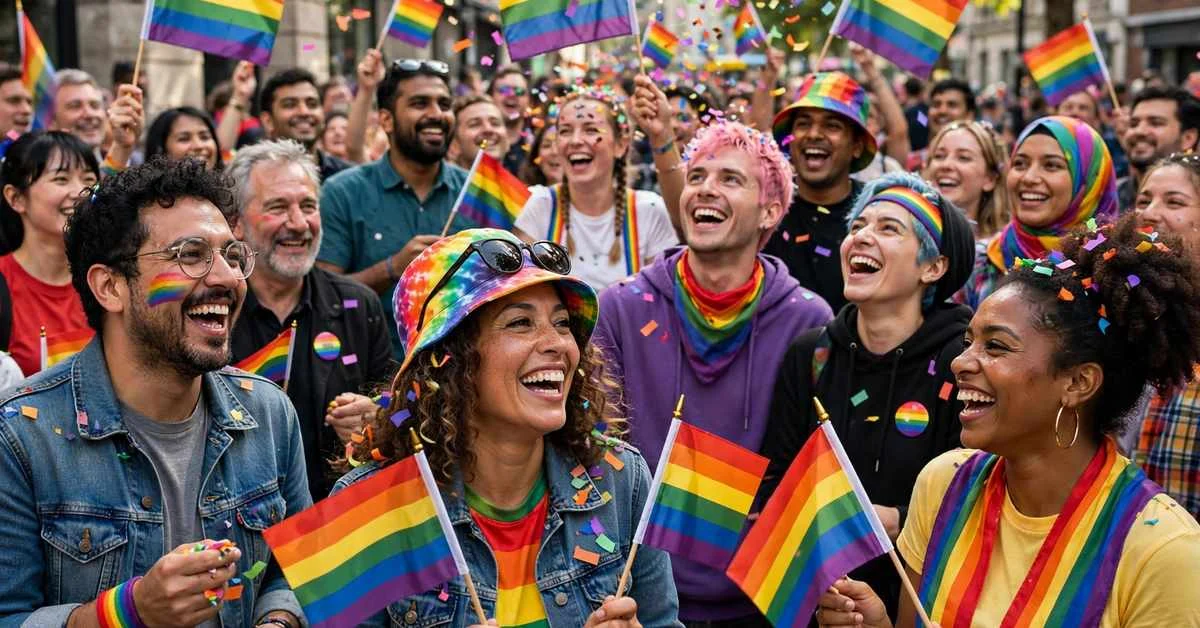
Bottom pride is the culture of saying the word loudly instead of flinching at it. It shows up on t-shirts, in memes made by bottoms for bottoms, and in the way people put it in their bios like a flag. The humor is still there, but the target has moved. Instead of outsiders laughing at bottoms, bottoms are laughing with each other, and the jokes hit different when the community tells them.
This follows a pattern you can see across slang history. Words that start as insults often get reclaimed by the people they were aimed at, and the reclaiming drains the insult of its power. When someone calls themselves a bottom before anyone else can, the word stops being a weapon. To be honest about what you want, in a world that once punished that honesty, is its own kind of bold.
Bottom Off the Apps and Out in the World
On dating apps, bottom is a standard profile label, right next to top and vers. The classic opener is simple: top or bottom. The chat usually starts with wyd and gets to the big question fast. People also use finer labels like vers bottom, which means mostly a bottom but open to switching, and power bottom, a playful title for someone who takes charge of the receptive role.
Outside of dating, the word has leaked into everyday speech. Straight friends borrow it as a joke. Memes use it as shorthand for anyone dramatic. That mainstreaming is a mixed bag. It shows how far the culture has come, but it can also flatten a word that carries real history for gay men. Using it as a light joke with friends is one thing. Using it without knowing what it means to the people who lived it is another.
Bottom Slang FAQ
Is bottom an insult?
It can be, depending on who says it and how. Between friends it is usually a joke. Said with an edge by a stranger, it can sting. Within the community, many people have reclaimed it as a proud label.
What is a power bottom?
A playful term for a bottom who takes an active, confident role. The joke is that the receptive partner runs the show, which flips the old stereotype that bottoms are passive.
Do you have to pick top or bottom?
No. Plenty of people identify as versatile, which means open to both. Some people also skip labels entirely. The labels are tools for communication, not boxes you must fit into.
Why do straight people use the word bottom?
Mostly because the memes traveled further than the meaning. It sounds funny and works as a light roast. Just know the word has real weight in gay culture before you borrow it.
Bottom Line on Bottom
Bottom started as a simple word for the receptive partner, picked up decades of jokes and stereotypes, and ended up as something its targets now wear with pride. That arc is the whole story of the word. The memes are funny, the history is real, and the pride is the point. When you hear bottom now, you are hearing a word that a community took back, one joke and one t-shirt at a time.

I’m Andrew West, a content writer at GrammerZones.com, specializing in high-ranking grammar blogs and modern language trends. I simplify complex grammar and decode Gen Z and Gen Alpha slang to make communication clear, relevant, and engaging.