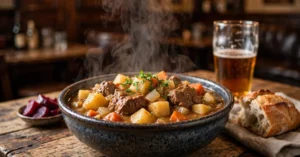
Cheers is the universal toast, a single word people say while raising a glass to wish each other good health and good times. It started as an English drinking cheer and grew into one of the hardest working words in the language. In Britain it also means thanks and goodbye, which confuses visitors who only know the toast. This guide covers the celebration, the history, and the triple life of the word.
The Toast That Started It All
Long before anyone said cheers, ancient Greeks and Romans raised cups at feasts to honor the gods and the health of everyone present. Wine was poured, glasses went up, and the room wished the living well and the dead respect. English speakers later shortened that whole ceremony into one friendly word meaning have good cheer.
The custom of clinking glasses has its own legends. One popular story says people smashed cups together so drops of drink sloshed from glass to glass, proving nobody had poisoned the wine. Historians treat that tale with care, since solid proof is thin, but the trust ritual feels right. Clinking says we drink together, we trust each other, and we celebrate the same moment.
The word itself caught fire during the First World War as soldiers raised glasses with extra feeling. By the 1970s it had settled into everyday British life as the standard toast, shouted in pubs from London to Edinburgh whenever pints went up.
Why We Call It a Toast
The word toast has nothing to do with breakfast, at least not directly. Centuries ago, drinkers dropped a piece of spiced or charred bread into weak wine to improve the flavor. The floating bread honored the person being celebrated, the way a garnish honors a dish.
William Shakespeare even referenced the custom in The Merry Wives of Windsor, where a character asks for a quart of sack with a toast put in it. Over time the bread disappeared from the cup but the word stayed on the lips. To propose a toast now means to offer the kind words, not the bread. When glasses rise and someone says a few warm words before the sip, that is the toast doing its old job in modern clothes.
The British Triple Job
Here is where cheers gets interesting. In Britain the word works three shifts, and only one involves drinking.
- The toast – glasses up, eyes meeting, everyone says cheers before the first sip. This is the original job and still the most joyful one.
- Thanks – someone holds the door, passes the salt, or covers your coffee, and you answer with a quick cheers, mate. A Times journalist noted this usage in 1976, though it was clearly common well before that.
- Goodbye – leaving the pub or hanging up the phone, people sign off with cheers. It lands softer than goodbye and warmer than see you later.
Visitors from America often freeze at the second and third uses. A bartender hands over change, says cheers, and the tourist waits for a toast that never comes. The trick is context. Glass in hand means celebration. Small favor done means thanks. Coat on and heading for the door means farewell. Once you see the pattern, the triple job feels natural, and you will catch yourself saying it on the way out of shops.
Cheers Around the World
Almost every drinking culture has its own version of the same moment, which proves the urge to toast is universal.
- Proost – the Dutch lift their glasses with this short, punchy word.
- Na zdravi – Czech drinkers wish each other to health.
- Sante – the French keep it simple with a wish for health.
- Cin cin or salute – Italians pick between the playful cin cin and the classic salute.
- Kippis – Finns raise a glass with this cheerful word.
- Skal – Scandinavians toast with a word that once meant a drinking bowl.
- Kanpai – in Japan the glasses come together with this energetic call.
Travelers who learn the local toast earn instant goodwill. Bartenders smile wider, tables invite you closer, and the night gets friendlier. The words differ, but the feeling underneath is identical everywhere. We are here together, we are glad about it, and we drink to that.

How to Use Cheers Like a Local
Match the word to the moment. At a celebration, raise your glass, make eye contact, and say it with energy. For a small favor, keep it quick and casual, a light cheers with a nod. When leaving, pair it with a smile and keep walking. Tone does most of the work.
Avoid the classic tourist mistakes. Do not shout cheers at a business meeting unless drinks are actually involved. Do not use the thanks version in very formal settings where thank you fits better. And in Britain, never skip the eye contact during the toast itself. Looking away while clinking is considered bad luck and bad manners in equal measure. Small details, but locals notice, and getting them right earns quiet respect. Even in a group chat planning the night out, a well timed wyd followed by a pub plan can end with a real world cheers. If someone suggests something wild for the evening, tbh honesty about your limits keeps the night fun. And when the plan sounds almost too good, a playful sus keeps everyone laughing before the first round.
FAQ
What does cheers mean?
Cheers is a toast said while raising a glass, wishing everyone good health and good times. In Britain it also works as an informal thanks and a casual goodbye.
Why do British people say cheers for thanks?
The thanks usage grew naturally from the warm feeling of the toast. Saying cheers borrows that friendliness for small everyday favors, and it has been common in Britain since at least the 1970s.
Where did the word cheers come from?
Cheers comes from the old phrase good cheer, meaning happiness and celebration. It became a drinking toast centuries ago and spread into thanks and farewell in British English.
Why do we clink glasses when we say cheers?
Clinking glasses is a trust and togetherness ritual. One legend says it mixed drinks to prove no poison, though historians are cautious about that story. Today it simply marks a shared happy moment.
Is it rude not to make eye contact during cheers?
In many European drinking cultures, yes. Looking someone in the eye during the toast shows respect, and looking away is considered bad manners or even bad luck.
Conclusion
Cheers earns its title as the universal toast because it does so much with so little. One short word carries celebration, gratitude, and farewell, and it has done the job for over a century. From ancient feasts to modern pubs to group chats planning the next night out, the instinct stays the same. Raise the glass, meet the eyes, wish each other well. Learn the local version wherever you travel, use the British triple job with confidence, and you will never be far from a friendly moment.

I’m Riley Spencer. I track down the latest slang, memes, and viral phrases for grammerzones.com, explaining what they mean and how people actually use them, in plain simple words.