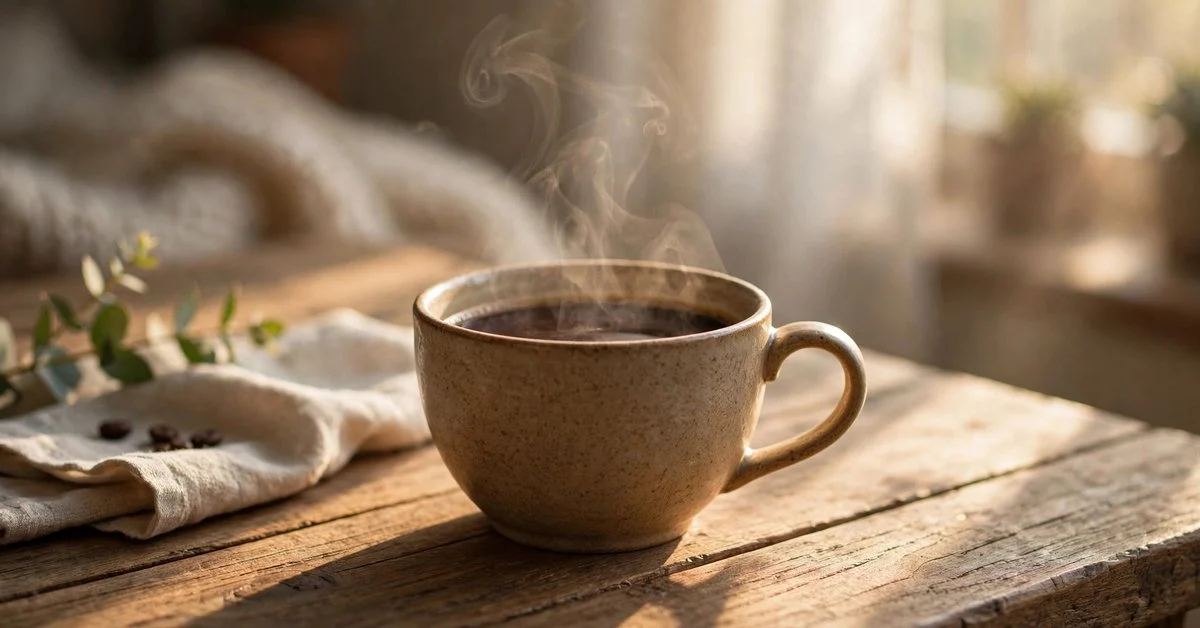
In slang, coffee means the daily ritual that starts the day, and it also stands for the casual social code built around it. The key meaning is routine and comfort. When someone says they need coffee, they often mean they need the calm ten minutes that come with it. The word shows up in phrases about honesty, gossip, dating, and waking up to reality.
Every office has its coffee people. The ones who do not function until the first cup is gone. The ones who plan meetings around it. The ones who bond over it. Coffee slang grew out of this shared habit. It is the rare word that means the drink, the break, and the culture all at once.
The Drink That Became a Ritual
Coffee stopped being just a drink a long time ago. It became the starting gun of the day. People build whole mornings around the smell, the warmth, and the first quiet sip before the noise starts.
This is why coffee slang leans emotional. Nobody gets poetic about water. Coffee earned its language because humans attached feelings to it. Energy. Focus. Comfort. A small reward after a hard week.
The ritual angle also explains why coffee shows up in workplaces so much. The coffee run is a social event. The person who remembers your order is a good friend. The machine in the break room is where real news travels. When slang needs a symbol for everyday comfort, coffee is the default.
The Many Nicknames for Coffee
Coffee has collected more nicknames than almost any other drink. Each one tells you something about the speaker.
- Cup of joe. The classic American nickname. Theories about its origin float around, but nobody has proven one for sure. It sounds friendly and old-school.
- Java. Named after the island where coffee grew big. It sounds a little more worldly than cup of joe.
- Mud. What strong, thick coffee gets called. If your coffee looks like mud, it means business.
- Rocket fuel. Coffee so strong it could launch something. Reserved for the extra-dark roasts and the double shots.
- Bean juice. The playful one. Nobody says it to sound serious. It is the nickname of people who love coffee but do not take it too seriously.
The full-of-beans idiom connects here too. Someone who is full of beans is buzzing with energy. The same energy feeling shows up in modern hype slang like gas, which also describes that fired-up state.
Coffee Expressions Worth Knowing
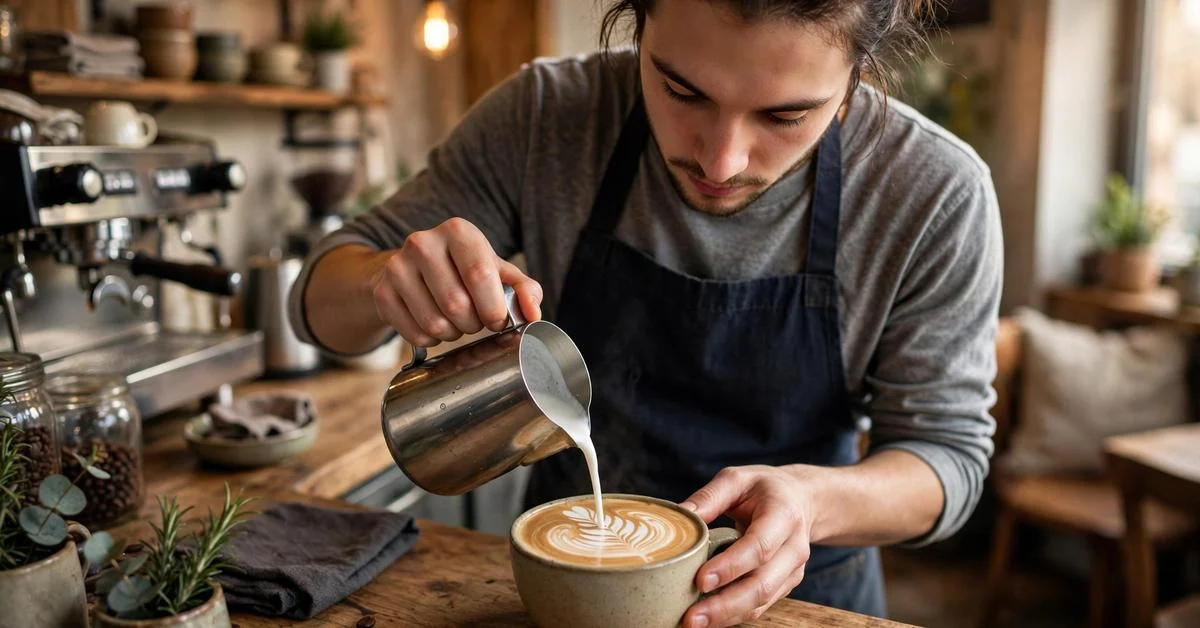
Coffee slang is richest in its expressions. These are the phrases people actually use:
- Wake up and smell the coffee. Means face the truth. Someone who says this is telling you to stop ignoring what is obvious. It is the tough-love phrase of the coffee world.
- Coffee talk. Means casual chat, sometimes gossip. Office coffee talk is where people share news that is not quite official. The honest version of it is just people being tbh over a warm cup.
- Coffee up. Means drink coffee to wake yourself. I need to coffee up before the drive. It is the verb form nobody planned but everybody uses.
- Coffee break. The official pause. Short, sweet, and almost sacred in some workplaces.
- Storm in a coffee cup. A big fuss over a tiny problem. The drink makes the drama sound smaller, which is the point.
- Not for all the coffee in Brazil. Means not at any price. Old-fashioned, but it survives because it is fun to say.
Coffee as Social Code
Coffee is also a social signal. The invite let us do coffee is one of the softest plans in English. It means I want to meet you, but I am keeping it low pressure. No big dinner. No commitment. Just coffee.
The coffee date sits in the same lane. It is the classic first date because it is cheap, short, and easy to escape. Both people know this. That shared understanding is what makes it work.
Then there is the coffee run. Someone heads out and asks who wants anything. Saying yes is a small act of trust. They now know your order. In office culture, that is practically a friendship contract.
The next step after a good coffee date is usually a dm. The chat moves from the cafe to the phone, and the ritual continues in text form.
How to Use Coffee Slang in Real Life
The expressions fit best in relaxed settings. Coffee talk belongs at work or with friends. Wake up and smell the coffee fits when someone needs a reality check, but say it gently. It lands better with a smile.
The nicknames are safe almost everywhere. Nobody minds being offered a cup of joe. Bean juice works best when everyone is already laughing.
Watch the context with let us do coffee. It can mean a real plan or a polite brush-off. The difference is in the follow-up. A date and time means it is real. A vague maybe means it is not. When in doubt, ask wyd tomorrow and see what happens.
FAQ
What does coffee mean in slang?
It means the daily ritual, the social break, and the comfort of routine. It also appears in expressions about honesty and gossip.
Why is coffee called a cup of joe?
Nobody knows for sure. Several theories exist, from a coffee-loving navy secretary to a simple shortening, but none are proven. It is just the friendly American nickname that stuck.
What does let us do coffee mean?
It is a soft, low-pressure invite to meet. It can be a real plan or a polite way to end a conversation. A specific date and time means it is real.
What does wake up and smell the coffee mean?
It means face the truth you have been avoiding. It is a call to get real about a situation.
Is coffee talk real gossip?
Sometimes. Coffee talk covers everything from harmless chat to real rumors. Treat it as unofficial news until you hear it twice.
Conclusion
Coffee slang works because the drink earned its place in daily life. It is the pause button of the morning, the social glue of the office, and the softest invite in the language. The nicknames are fun, the expressions are sharp, and the ritual is real.
So the next time someone says they need coffee, listen for what they really mean. Maybe they need energy. Maybe they need five quiet minutes. Or maybe they just want an excuse to sit with you for a while. That is the morning ritual doing its quiet work.

I’m Andrew West, a content writer at GrammerZones.com, specializing in high-ranking grammar blogs and modern language trends. I simplify complex grammar and decode Gen Z and Gen Alpha slang to make communication clear, relevant, and engaging.