Gay is a respectful identity word for people who are attracted to people of the same sex. It is the word the community itself chose, and major style guides recommend it today. Few words have traveled further: gay once meant joyful, then became a banner of pride carried through the streets.
This article treats gay with the care it deserves. You will learn the full journey of the word, from old French roots to modern pride parades, what it means right now, what it does not mean, and how to use it with respect. There are no jokes at the expense of anyone here, only facts and clear guidance.
A Word That Once Meant Joyful
Gay arrived in English from the old French word gai, which meant joyful or merry. That was back in the 1100s, and for centuries the meaning stayed bright. Poets used it for cheerful moods, lively colors, and carefree days. The 1890s even earned the nickname Gay Nineties for their optimism and sparkle.
Meanings shift with the culture around them. By the late 1800s, gay had started to connect with same sex attraction, first in quiet circles. In the 1920s and 1930s, members of the community used it as a discreet way to recognize one another. By the 1960s it had become the favored term for self description, and after the 1969 Stonewall events in New York, it stepped into the open as a public banner.
That journey matters. Gay did not become an identity word by accident. People chose it, kept it, and gave it dignity through decades of use.
The Word Becomes a Banner
Once claimed, gay became the language of a movement. It appears in the names of rights organizations, in pride celebrations, and in everyday introductions. He is gay. They are a gay couple. Said plainly, the word carries no drama, which is exactly the point. Normal language for normal life.
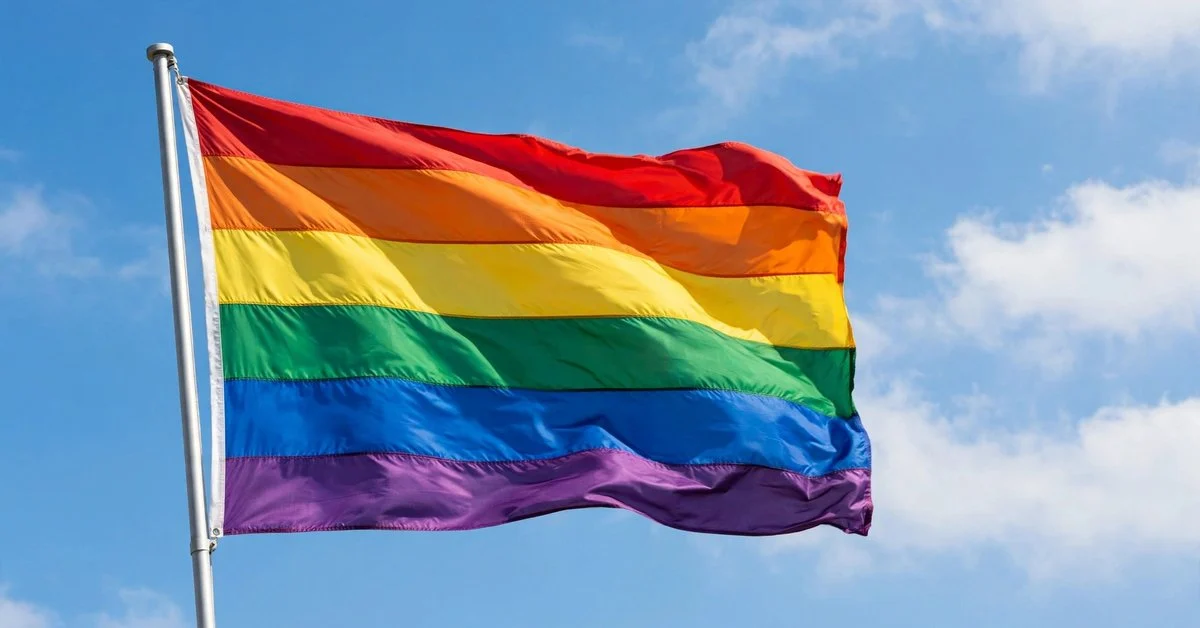
The banner years also gave us lasting phrases. Gay pride turned a private truth into a public celebration. Gay rights named a clear demand for equal treatment. Each use added weight until the word stood for community, history, and belonging all at once.
What Gay Is Not
Gay is not an insult, and it was never meant to be one. Using gay to mean stupid, lame, or weak is offensive and outdated. It punches down at real people, and most listeners today hear the cruelty in it even when the speaker claims it was just a joke.
Gay is also not a guessing game. Do not label other people or treat the word as a punchline about strangers. And it is not a perfect umbrella for every identity. It most often describes men, though many people use it more broadly. The respectful move is simple: use the label each person chooses for themselves.
Language keeps score. Every careless use makes the word heavier for the people it belongs to. Every respectful use keeps it light.
How to Use Gay With Respect
Use gay as a plain adjective, the way you would use any descriptor. A gay friend, a gay coworker, a gay neighbor. No special tone, no air of confession. In dating apps and bios it is standard and welcome, a clear and honest signal.
To be honest, the only real rule is to follow the lead of the person you are talking about. If someone tells you they are gay, believe them and carry on. If you are unsure how someone identifies, do not guess. That habit keeps conversations easy, from late night chats on an app to meeting new people in real life.
Some younger speakers still toss the word around as a casual put down, a habit left over from the 2000s. It reads as sus now, not funny. The culture moved on. And living openly takes real courage, the same yolo spirit of being yourself without apology that people admire in every part of life.
Quick Answers
What does gay mean today? It describes people who are attracted to people of the same sex. It works as both an adjective and a noun, and it is the respectful standard term.
Is gay a respectful word? Yes, when it is used as an identity term. Major style guides recommend it. It stops being respectful the moment it is used as an insult or a joke.
What did gay mean in the past? For most of its history it meant joyful, merry, or carefree. The meaning connected to same sex attraction developed in the late 1800s and became standard in the 1900s.
Why do people object to the casual misuse? Because turning an identity word into a synonym for bad tells gay people that who they are is an insult. That is why the put down usage faded from polite speech.
An Identity Word Deserves Identity Level Care
Gay began as a word for joy, and in a way it circled back. Pride parades are joyful. Chosen families are joyful. A life lived openly is joyful. The word kept its oldest meaning even as it gained a new one.
That is worth remembering every time you say it. Behind this short word stand millions of real lives, real love stories, and a long fight to be named with dignity. Use gay the way its owners use it: plainly, proudly, and with respect. Words carry people. Carry this one well.

I’m Andrew West, a content writer at GrammerZones.com, specializing in high-ranking grammar blogs and modern language trends. I simplify complex grammar and decode Gen Z and Gen Alpha slang to make communication clear, relevant, and engaging.