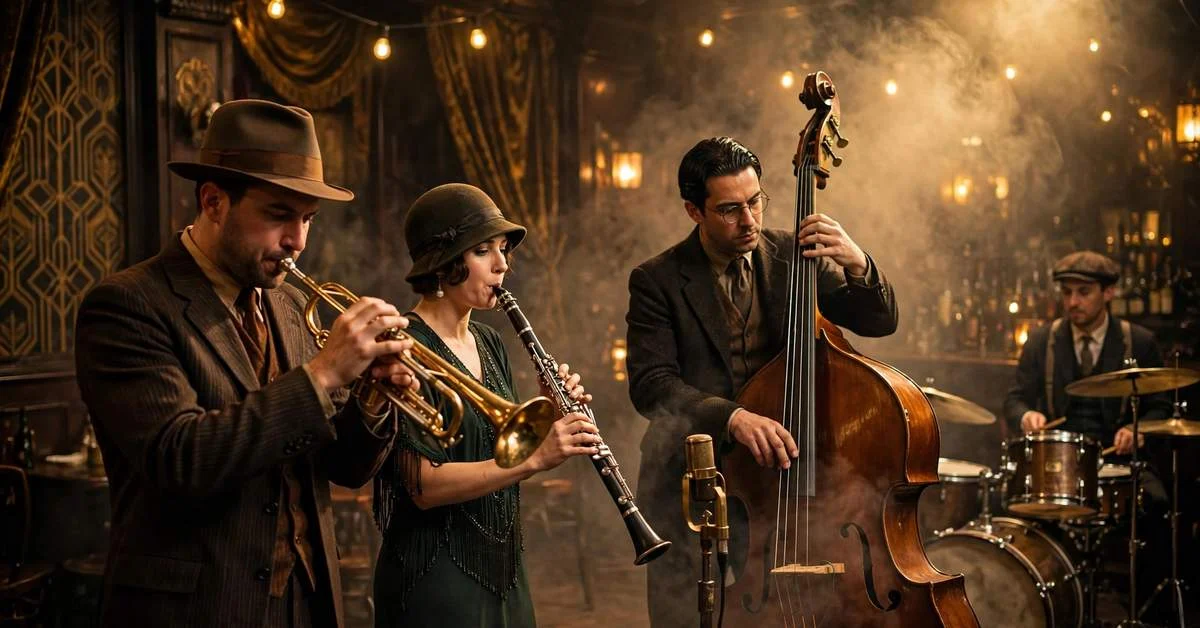
A gig is a one-time job or performance, usually booked for a single date. The word started in 1920s jazz clubs, where musicians called a night of playing a gig, and it has grown into the name for all kinds of short-term work.
Today you hear it everywhere. A band plays a gig on Friday. A driver picks up a gig across town. A designer lands a gig for a new client. This is the story of how one small word traveled from the bandstand to the whole economy.
Born on the Bandstand: The Jazz Origin
The gig was born in the jazz clubs of the 1920s. Musicians needed a word for a single night of work, one performance at one club for one crowd. A regular job at a factory was a job. A night of music was a gig. The word felt lighter, cooler, and more alive, just like the music itself.
Nobody knows exactly where the word came from. Language experts have theories but no proof, and the mystery only adds to the charm. What is certain is that jazz musicians spread it. By the middle of the century, any musician in America knew what a gig was. It meant work, but it also meant the stage, the crowd, and the night.
The attitude mattered as much as the meaning. Calling it a gig instead of a job said something about the musician. A job owned you. A gig was yours. You showed up, you played your heart out, and you moved on to the next one.
The Beat Generation Hijack
In the 1950s, the Beats stole the word and made it bigger. Writers like Jack Kerouac started calling any short-term job a gig. In a 1952 piece, Kerouac described his gig as a part-time railroad brakeman. The job kept him alive while his real life, the writing, happened somewhere else.
For the Beats, the word was a small rebellion. A job defined you. A gig was just something you did for now. Calling it a gig meant you were free to walk away the moment you had enough money in your pocket. The word carried the promise that your real life was still ahead of you.
The hippies picked it up next, and the meaning kept stretching. By the end of the century, a gig could be any temporary work, from tending bar to driving a cab. The romance faded a little, but the word stuck around, waiting for its next big moment.
The Gig Economy: The Word Goes Mainstream
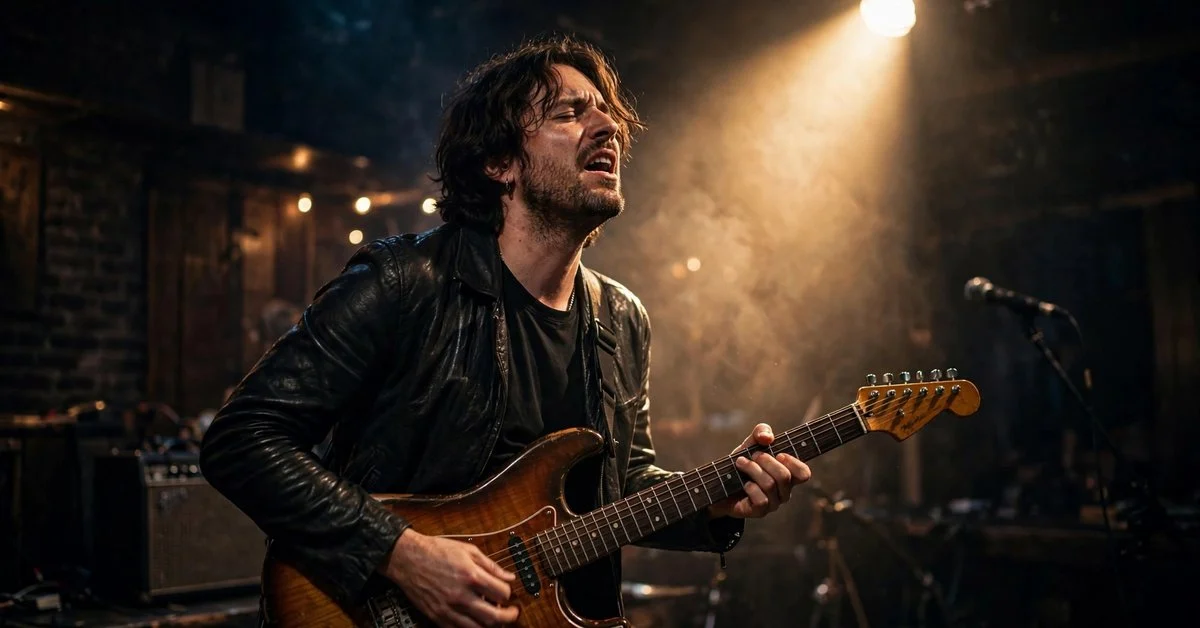
That moment arrived with smartphones. Suddenly millions of people were finding short jobs through apps. Driving, delivering, designing, writing. The old jazz word turned out to be the perfect name for the new way of working, and the gig economy was born.
The fit is almost too good. Like the jazz musician of the 1920s, the modern gig worker takes work one job at a time. No boss, no fixed schedule, no promise of tomorrow. Tbh, the freedom is real, and so is the uncertainty. The word gig captures both sides in three letters.
Companies now build whole businesses around the idea. Workers talk about stacking gigs, picking up gigs, and living the gig life. A word that once belonged to trumpet players now describes how a huge part of the world earns a living.
The Many Gigs: Music, Work, and Gigabytes
Gig wears several hats today, and context tells you which one is on. In music, it still means a performance. A rap artist might play three gigs in one weekend, and every fan knows exactly what that means.
In work talk, it means any short-term job. Got a new gig means got a new job, usually a temporary or freelance one. A side gig is extra work done alongside a main job, the modern version of what the Beats were doing in the 1950s.
In tech talk, gigs are gigabytes. Sixteen gigs of RAM. A fifty gig download. Same spelling, totally different meaning, and nobody gets confused because the setting makes it obvious.
Gig vs Job: The Attitude Difference
The real difference between a gig and a job is attitude. A job is permanent, or at least it pretends to be. It comes with a title, a routine, and the quiet expectation that you will stay. A gig is honest about being temporary. It starts, it ends, and nobody pretends otherwise.
That honesty is the appeal. A gig does not ask for your identity. It asks for your time and your skill, and then it lets you go. For musicians, freelancers, and anyone allergic to routine, that trade is worth more than security.
Of course, the line blurs. Plenty of people now string gigs together into a full-time living, DM by DM, client by client. The word grew up, but it never lost the jazz club swagger. A gig is still work with a beat.
FAQs About Gig
What does gig mean in music?
A single performance or booking. A band books a gig at a club, plays the show, and moves on to the next one.
What is the gig economy?
An economy where short-term freelance work is common and people find jobs through apps and platforms instead of traditional employment.
Is gig short for something?
No. Language experts have theories about the origin, but the word is not short for anything. It appeared in jazz slang in the 1920s with no clear parent word.
What does side gig mean?
Extra work done alongside a main job for additional income. It is the modern version of moonlighting.
Conclusion
A gig started as a musician job, one night of jazz in a smoky club. The Beats turned it into a philosophy of work. The smartphone era turned it into an economy. Through every change, the core idea stayed the same. A gig is work you take on your own terms, for a limited time, and then you move on.
That is why the word survived for a century while other slang faded. It names something real about how people want to work. Free, flexible, and always ready for the next stage. So the next time someone asks about your gig, stand a little taller. You are part of a tradition that started with a trumpet and never stopped playing.

I’m Natalie Rivera. I write about internet slang, texting lingo, and modern phrases on grammerzones.com, breaking confusing online language into simple, clear meanings everyone can understand.