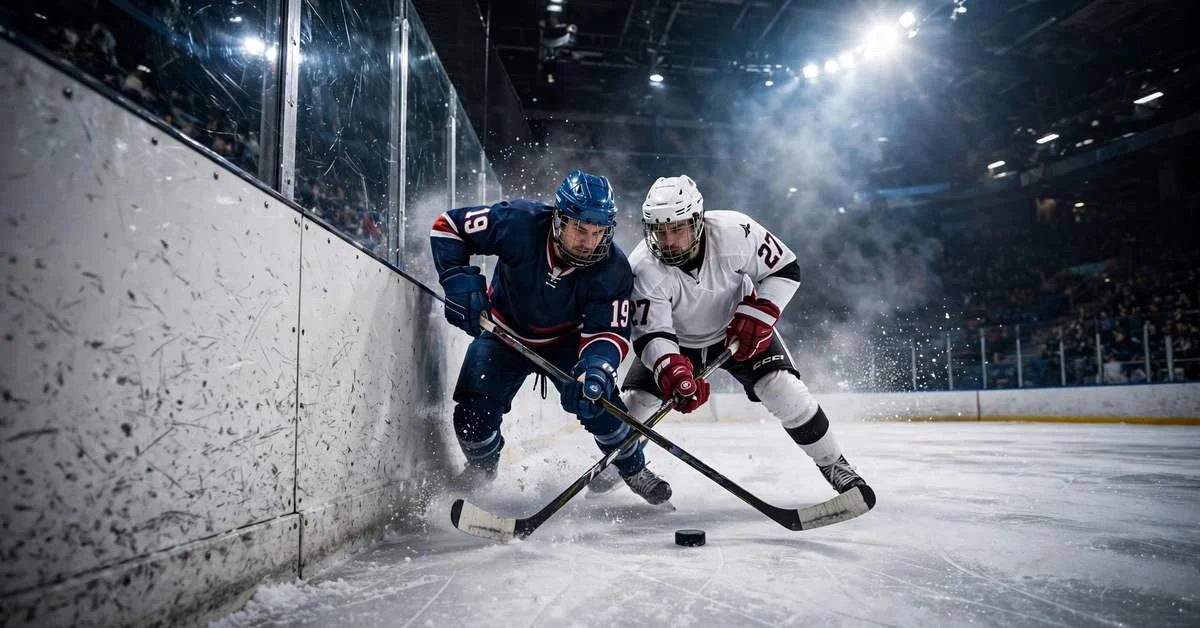
Hockey slang is the rough, fast language of ice hockey, the sport many fans call the toughest game on ice. It covers trash talk, goal celebrations, and locker room jokes, and almost every word sounds like it survived a battle. This guide breaks down the famous terms and shows why hockey built some of the hardest slang in sports.
Hockey players race on skates at full speed while carrying sticks, and body checks are a normal part of the game. That mix of speed and contact shaped a language that is blunt, funny, and a little violent. Fans picked it up too, so now even people who never touched skates chirp their friends and celly small wins.
Why Hockey Earned the Tough Label
Few sports ask for as much as hockey does. Players glide on thin blades, take hits into boards, block shots with their bodies, and keep skating. Stories of players finishing games hurt are part of hockey legend, and the sport has a reputation for rewarding toughness over flash.
That culture shows up in the words. Hockey slang rarely sounds soft. A goal is a gino, a hard shot is a snipe, and the puck itself is just a biscuit. Everything gets a short, punchy name, because on the ice there is no time for long speeches. The language matches the game: fast, physical, and straight to the point.
The fighting tradition added its own flavor. Dropping the gloves is still part of hockey culture in many leagues, and it gave the sport a code of honor that other games do not have. You stand up for your teammates, you take your hits, and you never back down. Slang grew out of that code, so words like grinder became compliments, not insults.
The Language of the Ice Battle
Here is a tour of the terms that define hockey talk, from the rink to the group chat:
- Chirp: trash talk aimed at opponents, meant to get inside their heads. A good chirp is clever and personal, and chirping is wildin with words instead of skates.
- Celly: the celebration after a goal, from a simple fist pump to a full team pile-on. A great celly can gas up the whole bench.
- Dangle: stickhandling around a defender with style, a pure show of skill and confidence.
- Five-hole: the gap between the goalie legs. Scoring five-hole is the most embarrassing way to beat a goalie, because the shot goes right through the smallest opening.
- Biscuit: the puck, the small black disc every player chases all game long.
- Flow: long hair spilling out from under the helmet, a style badge that says the player has confidence.
- Grinder: the hardworking player who wins with effort, not flash. Grinders do the dirty work in the corners, and teams cannot win without them.
- Bender: a weak skater whose ankles bend inward, the classic locker room insult for someone who looks lost on the ice.
- Twig: a hockey stick, the tool every player depends on.
- Pipes: the goal posts. Hitting the pipe means coming inches from a goal.
Notice how food shows up everywhere. Biscuits, apples for assists, pizza for a bad pass. Hockey players built their slang the way they play: with whatever was lying around, turned into something useful.
How the Battle Words Escaped the Rink
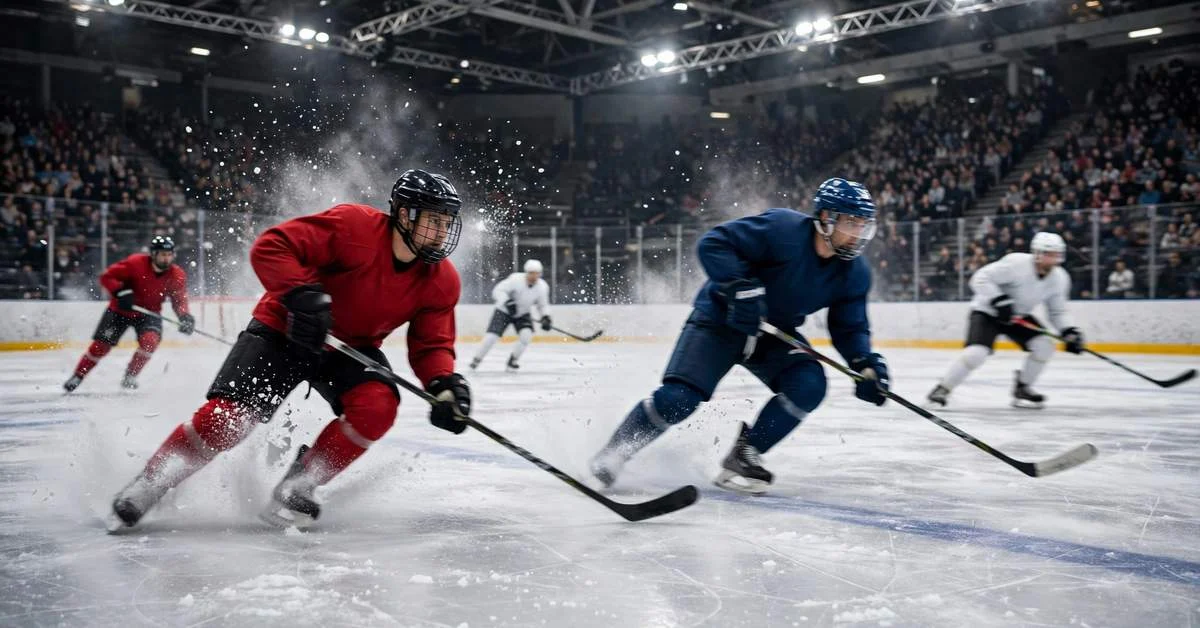
Hockey slang stayed inside locker rooms for a long time, but the internet changed that. Clips of wild cellys and brutal chirps travel fast on social media, and fans started borrowing the words. Now a friend who scores a great deal might celly, and a group chat roast session is basically chirping with better lighting.
Broadcasters helped too. When commentators explain that a player went five-hole or dangled the whole defense, casual fans learn the language without ever lacing up skates. The words are fun to say, which is half the reason they spread. Chirp, celly, and dangle just feel good coming out of your mouth.
The toughness angle keeps hockey slang alive. In a world of soft corporate language, words built for an ice battle stand out. Calling someone a grinder is a compliment with weight behind it, and calling someone a bender ends arguments fast.
Using Hockey Slang Without Sounding Lost
You do not need to play hockey to use its slang, but a few ground rules help. First, match the energy. Chirping works between friends who roast each other, not with strangers who will take it personally. Second, learn the words before you flex them. Calling a bad skater a bender is funny only if you know what a bender is.
Third, respect the code. Hockey slang comes from a culture that values loyalty and effort. Using grinder as praise lands well, because it honors the work ethic behind the word. Throwing around battle words just to sound tuff usually backfires, because real hockey people can smell a fake from across the rink.
Start small. Drop a celly after a win, chirp a friend who deserves it, and call hard work grinding. The language will do the rest.
FAQ
- Is hockey slang only for hockey players? No. Fans, broadcasters, and even people who never watched a full game use terms like chirp and celly in everyday talk.
- What does chirping mean in hockey? It means trash talking opponents to throw them off their game. Good chirps are clever, not just mean.
- Why is the puck called a biscuit? Nobody knows for sure, but the flat round shape looks a little like one, and hockey players love food names. Apples mean assists, and pizza means a bad pass.
- Is hockey really the toughest sport? Hockey players and fans think so, pointing to the speed, the contact, and the culture of playing hurt. Fans of other sports may disagree, which is a great way to start a chirp war.
- Can I use hockey slang at work? Some of it, yes. Calling a project a grind or celebrating a win with a celly works fine. Save the chirps for people who can take a joke.
Conclusion
Hockey slang is what happens when a battle gets its own dictionary. Every term, from chirp to celly to five-hole, carries the speed and contact of the game it came from. That is why the words feel tougher than most sports slang: they were built on ice, under pressure, by people who never had time to be polite.
You do not need skates to join in. Learn the famous terms, respect the code behind them, and use them where the energy fits. The next time someone scores big, skip the plain congratulations and celly with them. The ice battle has room for everyone.

I’m Andrew West, a content writer at GrammerZones.com, specializing in high-ranking grammar blogs and modern language trends. I simplify complex grammar and decode Gen Z and Gen Alpha slang to make communication clear, relevant, and engaging.