Jive is talk that sounds sweet but carries no honest weight: slick, playful, or deceptive nonsense. The same word also named a hot jazz style and the swing dance that went with it, so jive can be music, motion, or a beautiful lie depending on the room you are in. People say do not jive me to call out empty promises, call a phony talker a jive turkey, and remember jive talk as the rhythmic slang of Harlem jazz culture. One small word has lived three full lives, and each one is worth knowing.
The Three Lives of Jive
Most slang words get one meaning and ride it until it fades. Jive got three, and the story of how they connect is the story of American music itself.
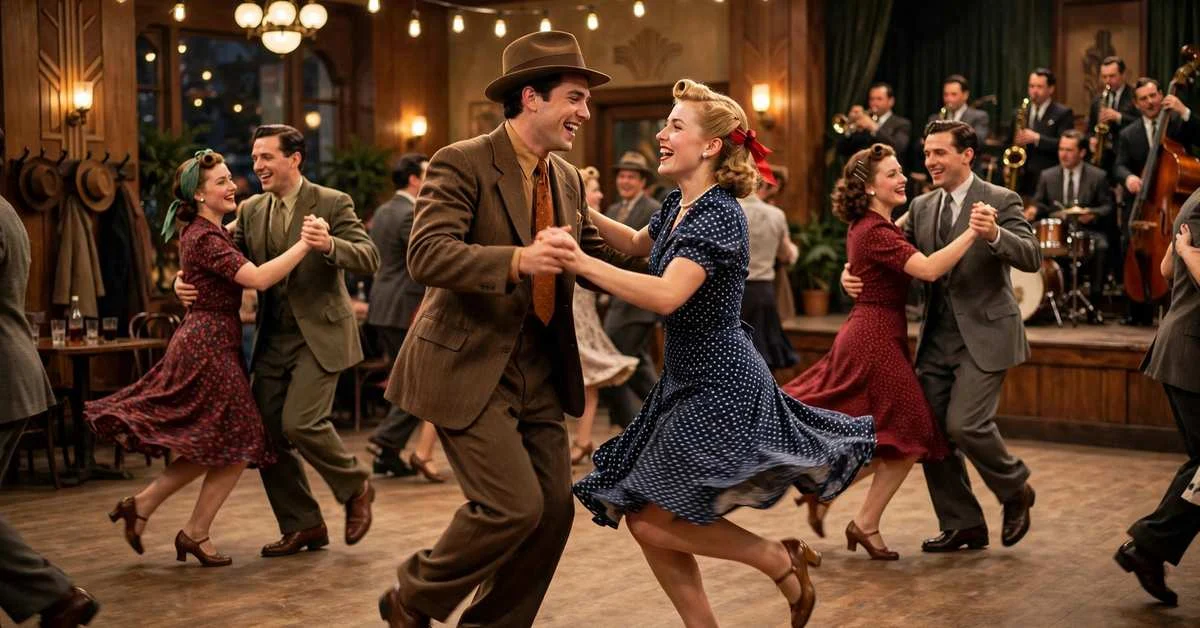
Life one began around 1928, when jive named a style of fast, lively jazz and the energetic dancing that went with it. To jive was to dance, to play hot music, to move. Small bands were jiving in cellar clubs while the word was still young, and the dance floor gave it its first home.
Life two arrived in the 1930s. In New York, Black musicians and club crowds turned jive into slang for their own fast, colorful talk: jive talk, also called Harlem jargon. It was rhythmic, full of wild metaphors, and it moved like the music. By 1938 it was established enough for dictionaries to note it as African American slang, and by the 1940s it had slid into a new shade of meaning: deceptive or misleading talk. The sweet sound stayed. The honesty left.
Life three is the adjective. By 1969, Black vernacular was using jive to mean not acting right, phony, off. The word had traveled all the way from the dance floor to a warning label, and it was ready for its most famous role. While tbh promises honesty up front, jive promises entertainment, and you should always check which one you are getting.
Jive Talk: The Sweet Lie
Jive talk deserves its own chapter because it was practically an art form.
In the Harlem clubs of the 1930s and 1940s, jive talk was the insider language of jazz culture: glib, rhythmic, and stuffed with metaphors that outsiders could not decode. It was how musicians teased each other, how hustlers sold dreams, and how a boring story became a performance. The poet Langston Hughes once joked about giving Saint Peter some jive excuse, which tells you how deeply the word had sunk into Black American humor by then.
The key to jive talk is the gap between sound and substance. It feels good to hear. It rolls off the tongue. And it may mean absolutely nothing, which is exactly why it works as flattery, seduction, or a sales pitch. Modern glazing, or laying on thick insincere praise, is the direct descendant of this tradition: sweet words with a hidden agenda.
The idea even topped the charts. In 1975 the Bee Gees released a number one hit about a woman whose words could not be trusted, built on the slang sense of jive as lying. Millions of people sang along to a word that had started in Harlem basements half a century earlier.
Jive Turkey: The Insult That Became a Joke
Every great slang word gets one perfect insult, and for jive it arrived in the 1970s.
A jive turkey is a person whose talk is all show: exaggerating, making empty promises, pretending to be something they are not. The recipe is simple. Jive supplies the phony talk. Turkey, an old slang jab meaning a foolish or incompetent person, supplies the sting. Put them together and you get a label for the phoniest person in the room.
The phrase bubbled up from African American vernacular in the 1960s and went mainstream in the 1970s through comedy and television. Shows like Sanford and Son and Good Times carried it into living rooms across the country, and streetwise films of the era gave it swagger. For a few years, calling someone a jive turkey was the funniest insult on television.
Today it sounds gloriously vintage, which changed its job. Say it now and nobody feels truly attacked. It lands as playful teasing, retro comedy, or a deliberate throwback, the verbal equivalent of a costume. In modern terms, a jive turkey is simply sus: someone whose story does not quite add up.
The Dance Floor Life: Jive as Music and Motion
Before it was an insult, jive was a party.
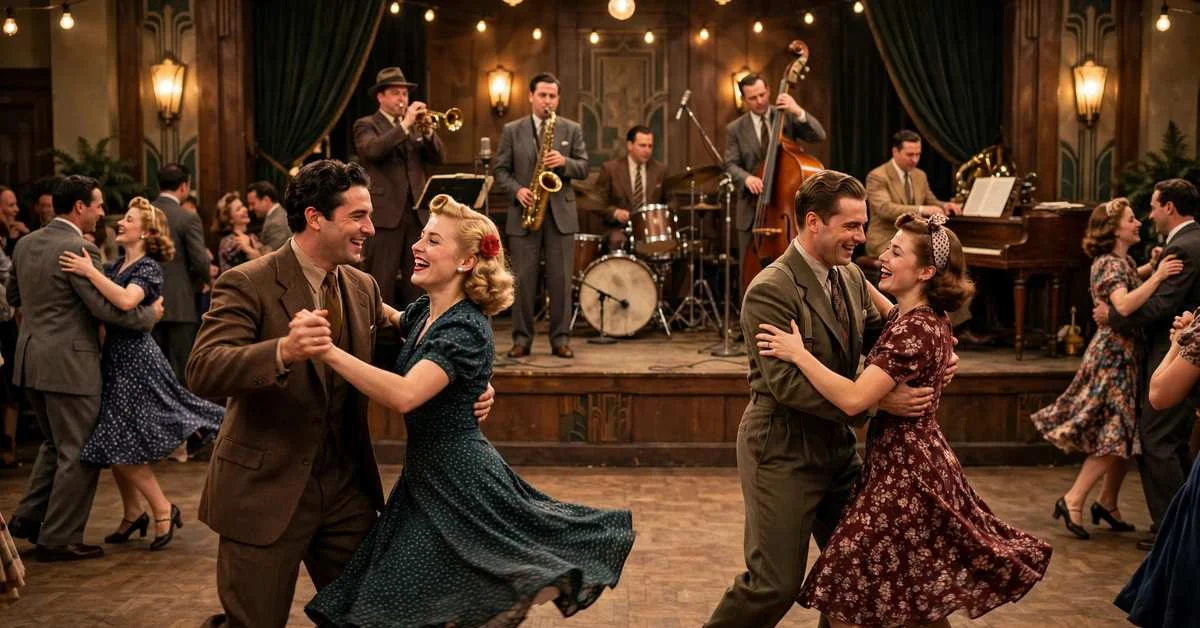
As a noun, jive meant hot jazz and the jitterbugging danced to it. As a verb, it meant to dance to that music or to play it hot. The dance was fast, acrobatic, and joyful, and the word carried that energy into everything it touched. Even the insult version keeps a bounce in it. Nobody spits the phrase jive turkey. They deliver it with rhythm, because the word remembers where it was born.
This musical root is why jive never sounds truly mean. Words born in anger stay angry. Words born on the dance floor keep their smile even when they turn into warnings, which is part of why the insult softened into a joke so easily.
The Confusing Cousin: Jive vs Jibe
Here is a trap that catches almost everyone.
Jive and jibe sound nearly identical and both involve agreement, but they come from different planets. Jibe, spelled with a b, is the old word meaning to agree or fit together, as in our plans jibe. It goes back to at least 1813 and may come from sailing language.
Jive picked up an agree meaning too, but only by accident. Around 1943, people started using jive to mean agree, apparently mistaking it for jibe and getting a push from the music slang already in the air. Dictionaries still list this sense, but it is the imposter of the family.
The rule is simple. If you mean agree, write jibe. If you mean nonsense talk, sweet lies, or swing dancing, write jive. Mixing them up is the fastest way to look like you do not know either word.
When People Say Jive Today
Jive is not dead. It just changed uniforms.
You will hear do not jive me when someone smells an empty promise. You will hear stop jiving around when someone is stalling with sweet talk instead of answers. And you will hear jive turkey deployed as deliberate retro comedy, usually by someone who knows exactly how old it sounds and loves it for that reason.
The tone decides everything. Said flat, jive talk accuses. Said with a grin, it teases. Dropping it in a group chat lands as playful wildin, a little theatrical chaos, not a real attack. That flexibility is the final survival trick of the word. It can scold, joke, and reminisce without changing shape.
Jive Slang Questions People Actually Ask
Is jive turkey offensive?
Not really anymore. It was a genuine jab in the 1970s, but today it sounds so vintage that most people hear it as playful teasing or retro comedy.
Is jive the same as jibe?
No. Jibe with a b means to agree. Jive with a v means deceptive talk, jazz music, or swing dancing. They only collided by accident in the 1940s.
Do people still say jive?
Yes, mostly for flavor. Do not jive me survives as a colorful way to call out nonsense, and jive turkey survives as intentional throwback humor.
What does do not jive me mean?
It means stop feeding me sweet-sounding nonsense. It calls out empty promises, flattery with an agenda, or stalling disguised as charm.
One Word, Three Lives, Zero Boring Moments
Jive started as a dance, became a language, and ended up as the perfect word for a beautiful lie. Few slang terms cover that much ground. The dance gave it rhythm, the Harlem clubs gave it wit, and the 1970s gave it the funniest insult on television. What holds the three lives together is the sound itself: quick, musical, and just slippery enough to dodge. The next time someone tries to sweet-talk you past the truth, you will know exactly what to call it. Just make sure you spell it with a v.

I’m Riley Spencer. I track down the latest slang, memes, and viral phrases for grammerzones.com, explaining what they mean and how people actually use them, in plain simple words.