Rodeo is slang for a wild, chaotic situation, and not my first rodeo means you have done it all before. If your workday feels like a bucking bull that will not sit still, you are living through a rodeo. The second thing to know is that the word rode straight out of Spanish, where it meant a cattle roundup, and it has been picking up speed in English ever since.
This article breaks down the real sport behind the word, the famous movie line that made the phrase stick, the goat-filled version that means total chaos, and the rap album that gave rodeo a whole new stage. By the end, you will know exactly when to call something a rodeo and when to warn people it is not your first.
Eight Seconds of Pure Chaos
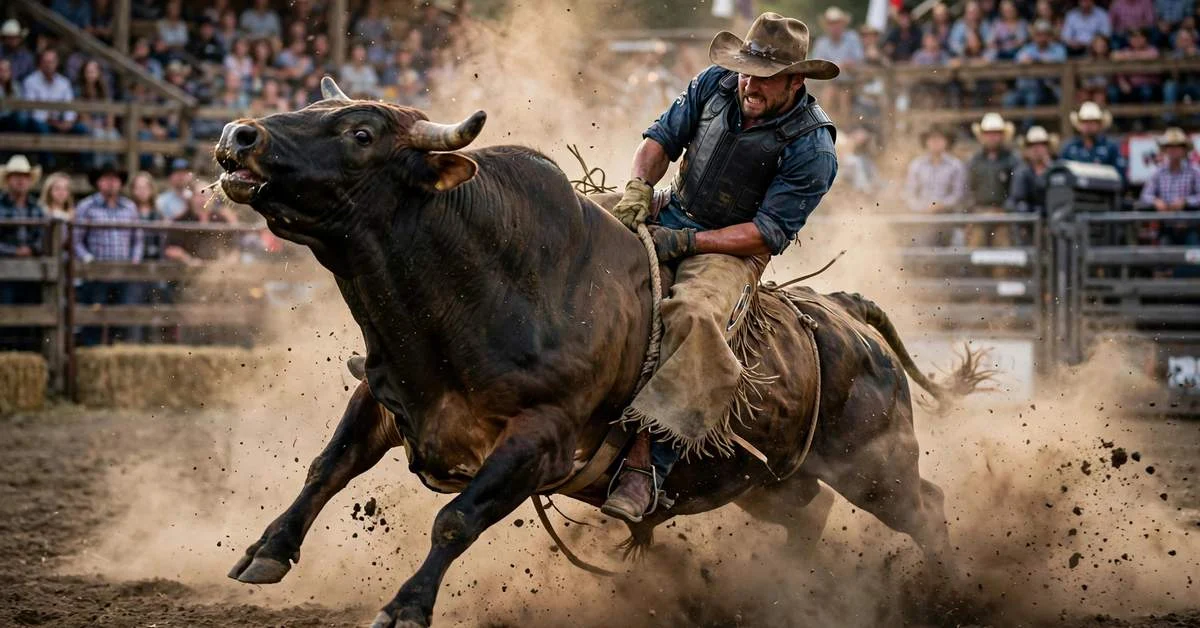
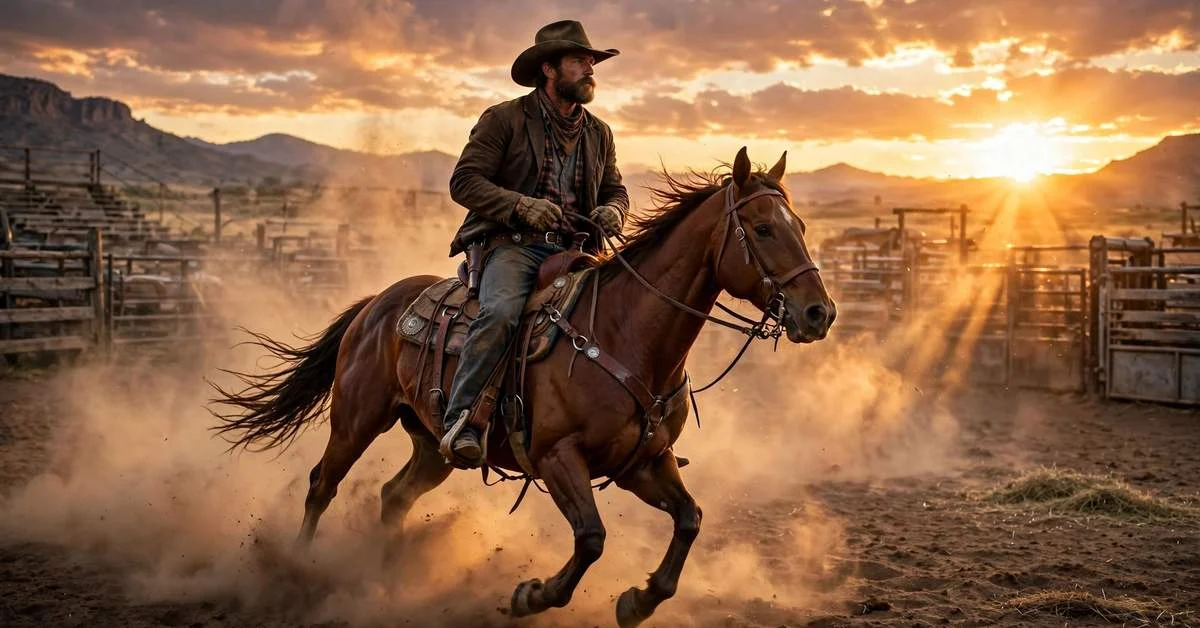
A real rodeo is a contest where riders try to stay on bucking bulls and wild horses. The most famous event is bull riding, where the goal is simple and brutal: hold on for eight seconds. Eight seconds sounds short until a thousand-pound animal is doing everything it can to throw you into the dirt. Most riders do not make it.
The word itself comes from Spanish. Rodeo in Spanish meant a roundup, the gathering of cattle, and it grew from the verb rodear, to surround. Cowboys in the American West borrowed the word along with the work. Over time, the roundup turned into a show, and the show turned into a sport.
That sport is the reason the slang works so well. A rodeo is loud, dusty, unpredictable, and a little dangerous. Nobody fully controls what happens once the gate opens. So when English speakers needed a word for a situation that feels exactly like that, the word was already waiting, spurs on.
This Is Not My First Rodeo
The most famous rodeo phrase in English is not my first rodeo, and it means I am experienced, do not try to teach me the basics. It usually shows up when someone with real experience gets unwanted advice from someone with less. A carpenter with ten years on the job does not need a lecture on how to hold a hammer. That is a not my first rodeo moment.
The phrase broke into mainstream speech through the 1981 film Mommie Dearest, where Faye Dunaway played Joan Crawford. In one heated scene, her character faces a corporate board trying to push her out, and she fires back with a version of the line to say she has survived fights like this before. The movie made the phrase famous, even though the real history is murkier.
Some storytellers trace the saying to Texas prisons, where inmates watched the yearly rodeo come to town. A prisoner who had been inside for years would brush off fresh advice with the line, marking time served. That origin is colorful but hard to prove. What is certain is that by the 1980s, the phrase belonged to everyone, from construction sites to office meetings.
The grammar of the phrase is flexible. People say this is not my first rodeo, and the short form not my first rodeo works on its own. All versions carry the same message: I have been here, I know the drill, step aside.
The Goat Rodeo
If a rodeo is chaos, a goat rodeo is chaos squared. The phrase describes a situation where nothing goes to plan, borrowed from the image of trying to run a rodeo with goats instead of bulls. Goats do not follow scripts. They climb, they wander, they eat the paperwork. A meeting where the projector dies, the client is late, and the coffee spills is a goat rodeo.
The beauty of the phrase is how visual it is. Everyone can picture it instantly, even if they have never seen a real rodeo. That picture does the explaining. You do not need to describe the disaster in detail. Just call it a goat rodeo and let the goats do the talking.
It has become office slang in particular, the kind of phrase that gets a tired laugh in a group chat after a rough day. When everything that could go wrong did go wrong, but everyone survived, goat rodeo turns the mess into a story worth telling. It reframes failure as comedy, which is sometimes the only useful thing to do with it.
Rodeo Takes the Stage in Rap
In 2015, Travis Scott released his debut studio album, Rodeo, and gave the word a brand new stage. The album was a hit and helped cement his career, and it tied the word to a specific sound: dark, huge, larger than life. For a generation of listeners, rodeo now carries music with it, not just cowboys.
Rap also uses rodeo for a heated clash or altercation, a situation that turns wild fast. The logic is the same as the chaos meaning. A real rodeo is two forces colliding, rider against bull, and a street confrontation feels the same way. The word fits because the energy fits.
This is a good reminder that slang travels through culture, not just dictionaries. A word can mean a sport to one generation, a movie line to the next, and an album title to the one after that. Rodeo has collected all three without losing any of them.
Cowboy Up and Other Rodeo Talk
Rodeo gave English more than one phrase. Cowboy up means toughen up and keep going, taken from riders who climb back on after getting thrown. It is encouragement with dust on it. When a friend wants to quit something hard, telling them to cowboy up is a push wrapped in Western style.
Take the bull by the horns means to face a hard problem directly, the way a steer wrestler grabs the animal head-on. No dodging, no delay. And the old cheer ride em, cowboy, once shouted at riders bursting out of the chute, now works as a general hype line for anyone about to attempt something bold.
These phrases share a theme: courage under pressure. Rodeo talk is the language of people who get back on the bull. That is why it survives in offices, group chats, and locker rooms far from any actual arena. Everyone has a bull to ride. If your day ever feels like a full wildin situation with no plan in sight, you are already at the rodeo, and getting through it takes a certain yolo spirit.
How to Use Rodeo Without Sounding Forced
The easiest natural use is the chaos meaning. My Monday was a total rodeo. That sentence needs no explanation and gets an instant nod from anyone who has lived one. Save it for days that truly earned it. Calling a calm Tuesday a rodeo drains the word of its power.
Not my first rodeo works best as a light pushback, not a weapon. Use it with a smile when someone explains something obvious. Drop the smile and it turns into an insult, a way of calling someone a rookie to their face. Tone is the whole game here.
Goat rodeo is the funniest of the three, so spend it where laughter helps. It is perfect for group chats, post-mortems, and stories told after the dust settles. It is less perfect in a formal email to a client. Know your arena before you ride.
Frequently Asked Questions
What does rodeo mean in slang? It means a wild, chaotic, unpredictable situation, like a day where everything goes wrong at once.
What does not my first rodeo mean? It means I am experienced at this and do not need basic advice. It pushes back politely against being taught what you already know.
Where did not my first rodeo come from? It spread through American English in the 1980s, boosted by the 1981 film Mommie Dearest. Some link it to Texas prison slang, but that origin is unproven.
What is a goat rodeo? A situation of total chaos where nothing goes to plan, named for the absurd image of running a rodeo with goats.
Is rodeo Spanish? Yes. It comes from the Spanish word for a cattle roundup, from the verb rodear, meaning to surround.
The Last Ride
Rodeo started as a Spanish cattle roundup, became an American sport, and then became a metaphor for everything wild in life. It gave us a phrase for experience, a phrase for chaos, and an album title for a generation. Few words cover that much ground.
The next time your day bucks and twists, you have the vocabulary for it. Call it a rodeo. Survive it like a rider. And when someone tries to explain the obvious, smile and let them know it is not your first. If you want to be honest about it, tbh most of us are still learning to stay on the bull, and a quick dm to a friend who has been there helps more than pride.

I’m Ryan Hayes. On grammerzones.com, I write clear, no-nonsense guides to slang and everyday expressions. So the next time a word confuses you, you’ll find the answer here.