Anime is slang for Japanese animation, and for the global fan culture that grew around it. The word began as a simple shortening of animation, then rode a worldwide wave to become one of the most powerful words in pop culture.
You do not need to watch a single episode to feel the wave. Anime shapes fashion, music, memes, and streaming charts on every continent. But the word itself has a journey worth knowing, because anime means one thing in Japan and something richer everywhere else.
The Journey of the Word
In Japan, anime is simply a shortening of the English word animation, and it covers all animation, including cartoons from other countries. A Japanese viewer might call a Western cartoon anime without a second thought. Outside Japan, the word narrowed. For the rest of the world, anime means animation made in Japan, with its distinctive art style, storytelling, and cultural flavor.
This split is normal. Borrowed words often change meaning when they cross borders. The same thing happened with otaku, which in Japan means an obsessive fan of anything, but abroad means a fan of anime specifically. Words travel, and they pick up new luggage along the way.
The Wave: How Anime Spread Around the World
Anime reached the West in stages. Early exports arrived decades ago, but the big break came with television blocks that introduced a whole generation to Japanese storytelling. Then streaming changed everything. Suddenly, thousands of episodes were available on demand, subtitled within hours of the Japanese broadcast.
Social media finished the job. Clips, memes, and fan art turned anime into a daily presence for people who had never watched a full episode. Today, anime films break box office records outside Japan, and anime aesthetics show up in fashion, music videos, and video games. The wave did not just cross the ocean. It soaked everything.
The Fan Vocabulary
Every wave brings its own words. Otaku describes a dedicated fan, though some wear the label proudly and others hear it as an insult. Weeb is the playful, sometimes teasing word for a non-Japanese fan who loves Japanese culture a little too loudly. Waifu names a fictional character someone adores, built from the English word wife filtered through Japanese pronunciation.
Genre words matter too. Shonen means stories aimed at young male viewers, usually packed with action and friendship. Isekai means another world, the genre where characters wake up in fantasy realms. Filler means episodes that do not advance the main story, the bane of every binge watcher. Learning these words is like getting a passport to the fandom.
Anime vs Cartoon: The Great Debate
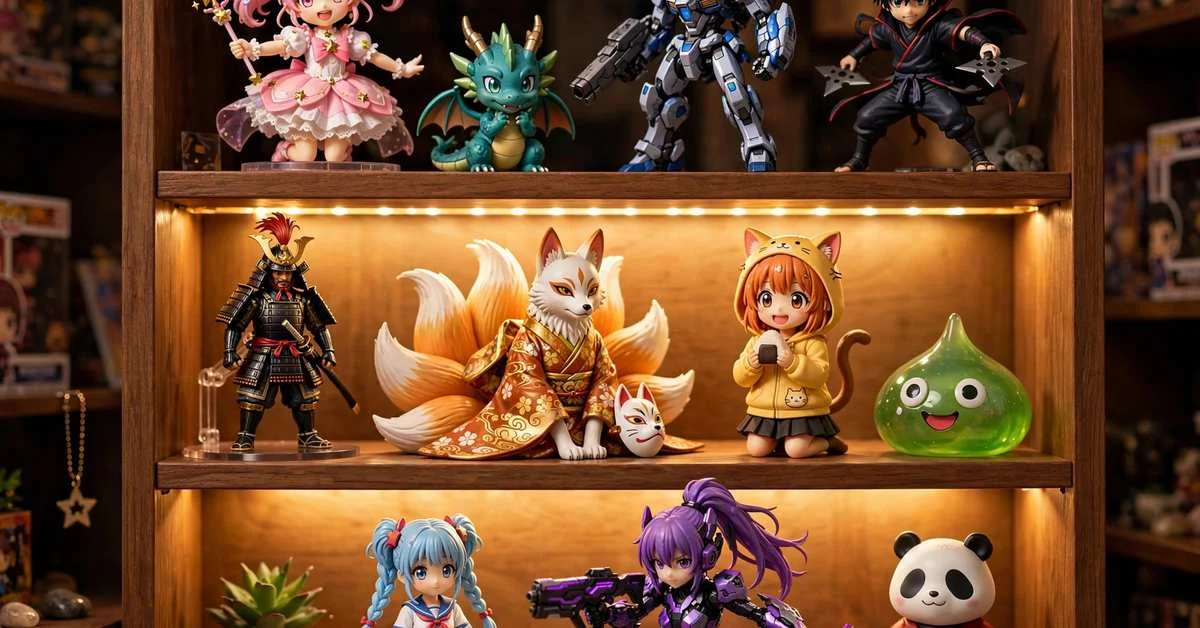
Fans argue endlessly about where anime ends and cartoons begin. The simplest answer is origin: anime is made in Japan, cartoons are made elsewhere. But style blurs the line. Shows from other countries now borrow anime looks, and Japanese studios sometimes animate for foreign productions.
The debate itself is part of the culture. It shows how much the word matters to people. Anime is not just a category. It is an identity, a taste, and for many fans, a community. That is why the argument never ends, and why it does not need to.
How to Use Anime Talk Without Sounding Lost
Start simple. Call it anime, not Japanimation, a word most fans left behind years ago. If someone recommends a show, ask what genre it is before diving in. A shonen action series and a slow romance are very different evenings.
Respect the vocabulary. Do not call yourself an otaku until you know how the word lands in the room. When friends gas up a new series, let them cook. If a recommendation feels sus, say so tbh. And if a show is genuinely based, say that too. The fandom rewards honest takes.
Frequently Asked Questions
What does anime mean? Outside Japan, anime means animation made in Japan. In Japan, the word is broader and covers all animation from anywhere.
Is anime just cartoons? The simplest distinction is origin. Anime comes from Japan, while cartoons come from elsewhere. Style can blur the line, but origin is the rule most people use.
What is an otaku? An otaku is a deeply dedicated fan. In Japan the word can sound negative, but many fans abroad wear it as a badge of honor.
What is a weeb? Weeb is a playful, sometimes teasing word for a non-Japanese person who is intensely into Japanese culture, especially anime.
Do I need to watch anime to use the slang? Not at all. The vocabulary is useful for following conversations, memes, and pop culture even if you never finish a full series.
The wave keeps rolling. What started as a shortened word in Japan became a passport stamp for millions of fans, a business worth billions, and a visual language the whole planet recognizes. Anime proves that a word can travel farther than the thing it names. The animation crossed the ocean first. The meaning is still catching up, and that is what makes it worth talking about.

I’m Natalie Rivera. I write about internet slang, texting lingo, and modern phrases on grammerzones.com, breaking confusing online language into simple, clear meanings everyone can understand.