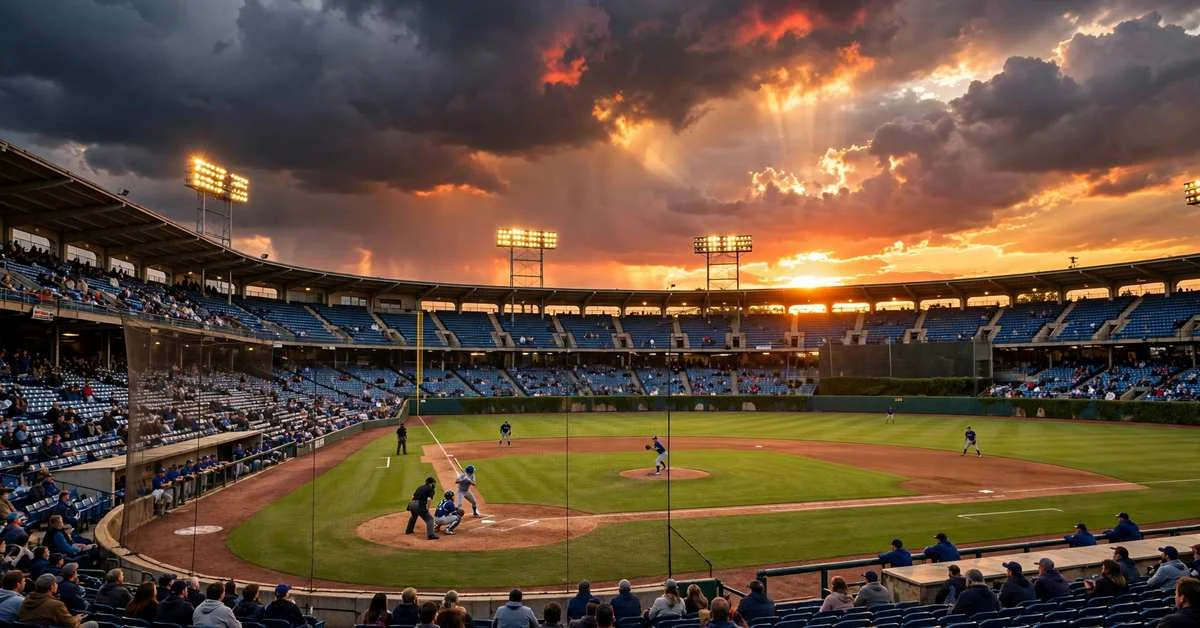
Baseball is slang for the biggest moments in life, from dating to work to everyday wins and losses. Americans borrow the language of the game to describe almost everything, because baseball gives them a ready-made map of progress, failure, and surprise.
You do not need to watch a single game to speak baseball slang. If you have ever heard someone say they struck out on a date, hit a home run at work, or got thrown a curveball by life, you already know it. The sport moves slowly on television, but its words move fast through daily conversation.
Why Baseball Became the Metaphor Machine
Baseball earned its place as the national pastime long before television existed. For more than a century, it was the game Americans played in streets, watched in stadiums, and argued about at dinner tables. When a whole country shares one game, that game turns into a shared language.
The structure of baseball helps too. The game is built on clear stages: pitches, strikes, bases, innings. Life is messy, but baseball is orderly, so people reach for baseball words when they want life to feel orderly. Saying you are on second base turns a confusing romantic situation into a simple scoreboard.
No other American sport did this as well. Football has its own terms, but they feel technical and violent. Basketball moves too fast for its words to settle into conversation. Baseball is slow, full of pauses, and packed with small rituals, which makes it perfect for talking. People chat between pitches, and that chat became slang.
The Bases Everyone Knows
The most famous baseball metaphor is the dating bases. First base means kissing. Second base means touching above the waist. Third base means touching below the waist. A home run means going all the way. The metaphor dates back to the post-war era, when modern dating culture took shape in America.
People argue endlessly about the exact borders of each base, and that vagueness is part of the fun. The bases give people a playful code for discussing private things in public, which is exactly what slang is for. Even as the old-school dating version fades, the structure survives. Newer memes flip the bases into emotional milestones, which proves the frame still works.
The Work and Life Words
Outside dating, baseball slang runs the office and the group chat. To strike out means to fail, borrowed from the batter who misses three pitches and walks away. To hit a home run means to succeed big, the kind of win people remember for years. A curveball is a surprise that bends away from what you expected, just like the pitch that looks straight and then curves.
Some phrases traveled so far that people forget they came from baseball. A ballpark figure is a rough estimate. To step up to the plate means to take responsibility, from the batter walking to home plate. To be out in left field means to be confused or off topic, from the farthest and loneliest outfield spot.
Taking a rain check means postponing plans, from the tickets handed out when a game got rained out. It is now one of the most common polite ways to say not today. The game gave America a full toolkit for talking about effort, failure, luck, and timing.
The Weird Ones Worth Knowing
Deeper baseball slang rewards the curious. A grand slam is the biggest possible hit, four runs on one swing, and people use it for any total victory. A southpaw is a left-handed person, from the old ballparks where left-handed pitchers faced south. A beanball is a pitch aimed at the head, and in slang it means a nasty surprise aimed right at you.
The seventh-inning stretch is the break near the end of a game, and people borrow it for any late pause before the final push. To play hardball means to be tough in a negotiation. Each of these phrases carries a small story, which is why they stick in the memory.

How to Use Baseball Talk Without Watching a Game
Start with the big three: struck out, home run, and curveball. These work in almost any situation and everyone understands them. I struck out at the interview. She hit a home run with that presentation. Life threw me a curveball this morning.
Match the energy to the moment. The dating bases are playful and a little old-fashioned, so use them with humor rather than as a serious report. Work phrases like step up to the plate and ballpark figure sound natural in offices because business borrowed them decades ago. If a plan feels sus, you can say the whole idea is out in left field.
The golden rule is simple: baseball slang explains progress. If you are describing a win, a loss, or a surprise, there is probably a baseball word for it. When friends yolo and swing for the fences, cheer them on. When they strike out, be tbh about it and buy them a coffee. That is the whole game.
Frequently Asked Questions
What does first base mean? In the classic dating metaphor, first base means kissing. It marks the start of physical intimacy in the relationship.
What does it mean to strike out? It means to fail at something. The image comes from the batter who misses three pitches and has to walk back to the dugout.
Why do Americans use baseball words for dating? The metaphor took off in the post-war era, when baseball was the shared national game and modern dating culture was forming. A common game made a common language.
Is the bases metaphor outdated? The old-school dating version is fading, but the frame survives. People now remix the bases into jokes about emotional milestones, which keeps the structure alive.
What does taking a rain check mean? It means postponing plans to another time. The phrase comes from the tickets given to fans when a baseball game got rained out.
Baseball never set out to become a language, but that is what happened. A slow game full of pauses gave a fast-talking country the words to describe winning, losing, and everything in between. The next time life throws you a curveball, you will know exactly what to call it, and you will know you are standing in a tradition that is more than a century old. That is the real home run: a sport that taught a nation how to talk about itself.

I’m Mason Reed, a language and communication writer at GrammerZones.com. I specialize in explaining English meanings, grammar concepts, internet slang, texting abbreviations & social media terms in a clear and practical way. My goal is to provide accurate, easy-to-understand content that helps readers confidently navigate modern language and online communication.