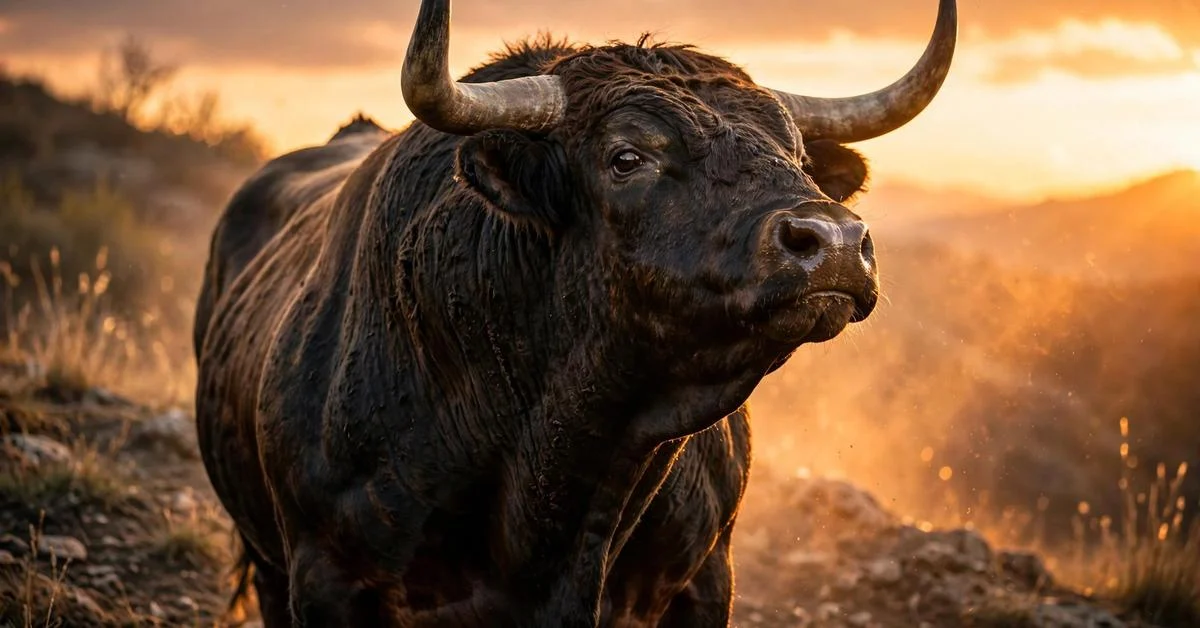
Bull in slang is an optimist who bets that prices will rise, especially in a bull market where stocks keep climbing. The word carries the whole animal with it: a beast that charges forward, horns up, and never looks down. From that single image grew a small herd of meanings, from the bull session to the bull artist, and each one keeps a piece of the charge.
Say bull in a boardroom and everyone pictures rising charts. Say it in a dorm room and everyone pictures a long night of empty talk. The animal is the same, but the meaning changes with the room. This article walks through the whole herd so you never mix them up.
The Beast That Never Looks Down
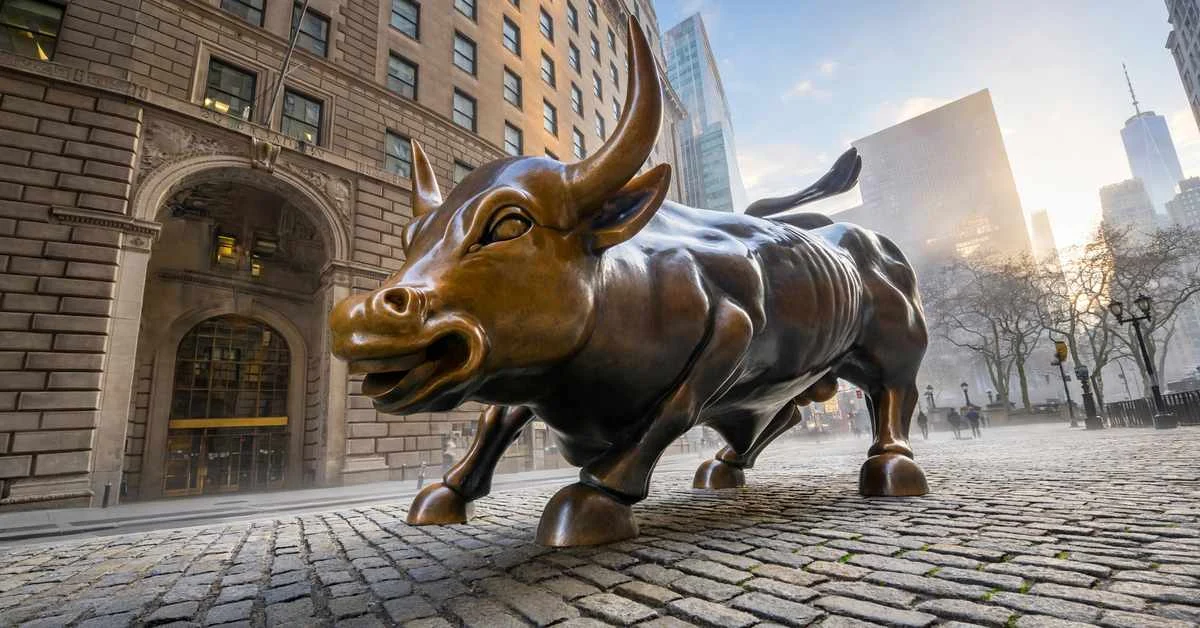
The bull market is the oldest and most famous meaning. It describes a market where prices rise over a sustained stretch, and it dates back to early 1700s London. Around 1720, during the South Sea Bubble scandal, the poet Alexander Pope wrote about the bull and the bear as symbols of market mood. The terms stuck for nearly three centuries.
One popular explanation says the bull thrusts its horns upward while the bear swipes its paw downward, which matches how prices move in each market. Nobody can prove that story, but it survives because it feels right. A more documented origin comes from Thomas Mortimer, who wrote in 1769 that Exchange Alley traders called a bull any person who agreed to buy securities with no real plan or ability to pay for them.
As a rule of thumb, analysts often call it a bull market when prices have climbed about 20 percent or more. The bull is the investor who expects the climb to continue. Being bullish means feeling good about what comes next, and in yolo culture, that confidence sometimes turns into reckless bets.
The Session That Means Nothing
The bull session is a completely different animal. It means an informal conversation among a small group, usually relaxed and aimless. Collins traces the phrase to the years around 1915 to 1920, and it became a campus staple in the 1950s and 1960s, when students gathered in dorm rooms to talk about everything and decide nothing.
The session part is simple. The bull part comes from an older slang sense of the word: empty talk, or nonsense dressed up as wisdom. A bull session is where stories get taller, opinions get louder, and nobody takes notes. It is the opposite of a meeting, and everyone there knows it.
You still hear it when someone says the night turned into a bull session about movies, sports, or life. Nobody is offended. The phrase has softened with age into something almost warm.
The Braggart in the Room
Then there is the verb. To bull means to spin stories, talk a big game, or push an idea with more confidence than evidence. The bull artist is the person who does it as a craft: smooth, persuasive, and hard to pin down.
This is the meaning with the sharpest edge. Calling a market bullish is a compliment. Calling a person a bull artist is not. tbh, the line between confidence and nonsense is thin, and the bull artist walks it on purpose.
Use this one carefully at work or in arguments. It questions honesty, not just style, and people remember being called it.
Bull vs Bear: The Eternal Rivalry
You cannot talk about the bull without its rival. The bear is the pessimist who expects prices to fall, and the two have been paired since the 1700s. Every market story is really a story about which animal is winning.
Wall Street even has a famous saying about the pair: bulls make money, bears make money, but greedy pigs get slaughtered. The lesson is that optimism and caution both work, while greed does not. It is one of the few pieces of market wisdom that fits on a sticky note.
The rivalry also explains why bull feels so positive. Next to the bear, which hibernates and swipes down, the bull looks energetic and brave. Language picked a winner centuries ago, and markets have been cheering for it ever since.
How People Use Bull Today
Feeling bullish is now everyday language far beyond finance. A fan feels bullish about a team. A founder feels bullish about a launch. It just means confident about the future, and it works anywhere.
But context is everything. Bull market means rising prices. Bull session means idle chat. Bull artist means a smooth talker you should not fully trust. Mixing them up in the wrong room gets you strange looks, so check the setting before you charge in. If a claim sounds too confident, a little sus energy is healthy.
FAQ
What is a bull market? It is a market where prices rise over a sustained period, often described as a climb of about 20 percent or more.
What is a bull session? It is an informal, relaxed conversation among a small group, with no agenda and no decisions.
What does bullish mean? It means confident and optimistic about the future, originally about markets but now used for almost anything.
Is bull an insult? It depends. Bull market and bullish are positive. Bull artist and to bull question honesty, so those can sting.
Where did the terms bull and bear come from? They date to 1700s London trading culture, with the bull symbolizing rising prices and the bear symbolizing falling ones.
Conclusion
The bull survived three centuries of slang because the image never gets old. Horns up, head down, charging forward: it is optimism you can picture. From the trading floors of old London to late-night dorm rooms, the beast kept finding new rooms to charge into. Keep the horns-up meaning for markets and moods, keep the session for long nights with friends, and keep the artist far away from anyone you trust. The herd is big, but now you know every animal in it.

I’m Ryan Hayes. On grammerzones.com, I write clear, no-nonsense guides to slang and everyday expressions. So the next time a word confuses you, you’ll find the answer here.