Chicharron is crispy fried pork skin, and its slang meanings all crunch the same way. From burnt red skin to messy problems to a sharp street exclamation, the word traveled from the kitchen into everyday speech. Follow the metaphor and you will see how one crunchy food became a whole family of expressions. It is a delicious lesson in how slang actually works.
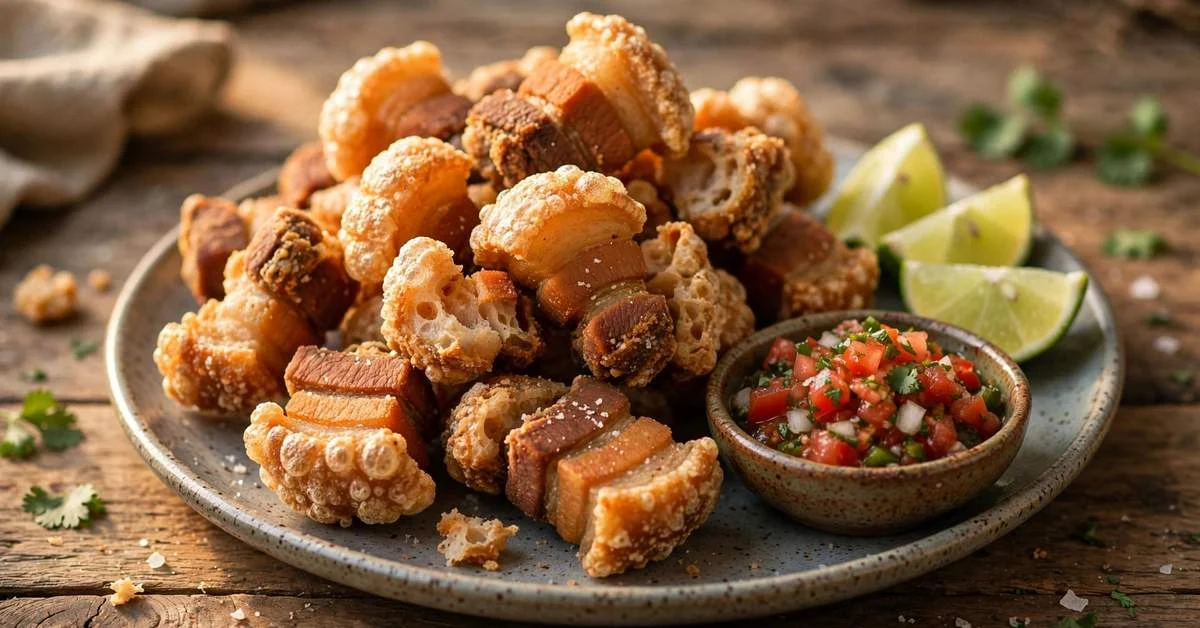
Start with the plate. Chicharron is pork belly or pork skin fried until it puffs and crackles. It shows up across Latin America and the Philippines with lime, salt, and zero apologies. Colombians serve it on the bandeja paisa. Mexicans pile it into tacos. Everybody agrees on one thing: the crunch is the point.
It Starts on the Plate: What Chicharron Really Is
To understand the slang, you have to respect the food. Chicharron is not subtle. It is loud, salty, and impossible to eat quietly. That personality matters, because slang almost always borrows the attitude of the thing it names. A word that sounds like crunching is never going to mean something soft.
The dish changes by country but the crunch stays constant. In Colombia it is a thick slab of pork belly with the skin on. In Mexico it can be thin, airy pork rinds sold in bags. In the Philippines, the same idea goes by a similar name. Wherever it lands, people reach for it at parties, with beer, and at street stalls. It is celebration food.
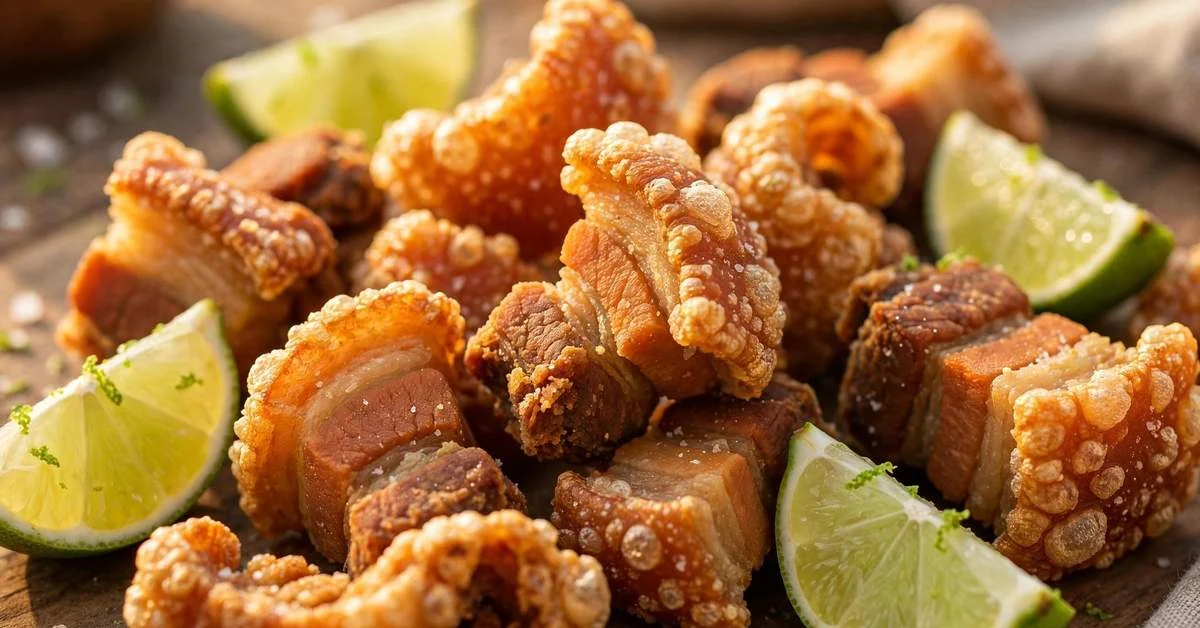
Making it is half the theater. The pork hits hot oil and the skin bubbles up into a golden landscape of ridges and craters. Vendors shake on lime and salt while it is still sizzling. That drama is part of the appeal. Chicharron never arrives quietly, and that loud entrance is exactly what the slang borrowed.
Burnt to a Crisp: The First Metaphor Leap
The first jump from food to slang is all about color and damage. Spanish has the expression estar hecho un chicharron, which means to be burnt to a cinder. Leave meat on the grill too long and it turns into chicharron. Fall asleep at the beach without sunscreen and the same thing happens to you.
That is the logic. Chicharron is browned, curled, and crackling from heat. A sunburnt tourist with red shoulders looks like something fresh out of the fryer. The metaphor is visual, instant, and a little bit mean in the way all good slang is. Nobody wants to be the chicharron of the group chat photo.
This is how slang usually starts: a vivid picture that everyone recognizes. The food gave the language a ready-made image for anything overdone by heat. From there, the word was loose in the wild, ready to pick up new jobs.
Messy Problems and Sharp Words
In Colombia, chicharrones can mean messy problems. A week full of office disasters is a week full of chicharrones. The link is texture again. Problems that are tangled, noisy, and hard to chew through feel like the food. It is the kind of chaos that deserves an RN text to your best friend. It is a perfect metaphor once you hear it.
In the Caribbean, the word took a different turn and can mean a flatterer, someone who lays it on thick. Think about it: chicharron is rich, greasy, and over the top. A person who flatters with zero shame has the same energy. The food keeps lending its personality wherever it goes.
Then comes the sharpest use of all. Online and on the street, chicharron works as a punchy exclamation, a word you drop like a mic. It lands the way calling something sus lands: one word that says everything. Say it after a win or a witty reply and everyone hears the crunch. Like gas, which jumped from fuel to praise, chicharron jumped from the fryer to the conversation.
Why Crispy Works as Slang
There is a reason crunchy words become slang and mushy ones do not. Crisp sounds feel sharp, fast, and confident in the mouth. Chicharron crackles when you say it. That built-in sound effect makes it perfect for moments that need impact: a burnt disaster, a tangled mess, a comeback that lands.
Compare it with how TBH softens a blunt opinion. TBH cushions. Chicharron does the opposite. It announces. The texture of the food and the texture of the word point in the same direction, and that alignment is why the slang stuck.
Food words do this all the time. They carry flavor, memory, and attitude in one bite. When a food is as bold as chicharron, its name is already halfway to slang before anyone even starts joking around.
Notice how each meaning keeps the crunch but changes the target. Burnt skin keeps the color. Messy problems keep the tangle. The exclamation keeps the crack. Slang works by holding one quality steady while everything else shifts, and chicharron is a textbook case. The word is a container, and the crunch is what it carries.
FAQ
What does chicharron mean literally?
Crispy fried pork skin or pork belly, popular across Latin America and the Philippines. Think pork cracklings with lime and salt.
What does estar hecho un chicharron mean?
It means to be burnt to a cinder, used for overcooked food or a badly sunburnt person. Red as a lobster is the closest English image.
Is chicharron a compliment or an insult?
Depends on context. The food is beloved. The slang can tease, as with sunburn, or celebrate, as with a sharp exclamation. Tone decides.
Do people really say chicharron as an exclamation?
Yes, especially online. It works like a punchy reaction word, the verbal equivalent of a crunch.
From fryer to insult to exclamation, chicharron shows how slang follows flavor. The crunch never left the word. It just found new things to crunch on. That is the whole journey: crispy pork, crispy skin, crispy problems, crispy comebacks. One metaphor, many meals.

I’m Natalie Rivera. I write about internet slang, texting lingo, and modern phrases on grammerzones.com, breaking confusing online language into simple, clear meanings everyone can understand.