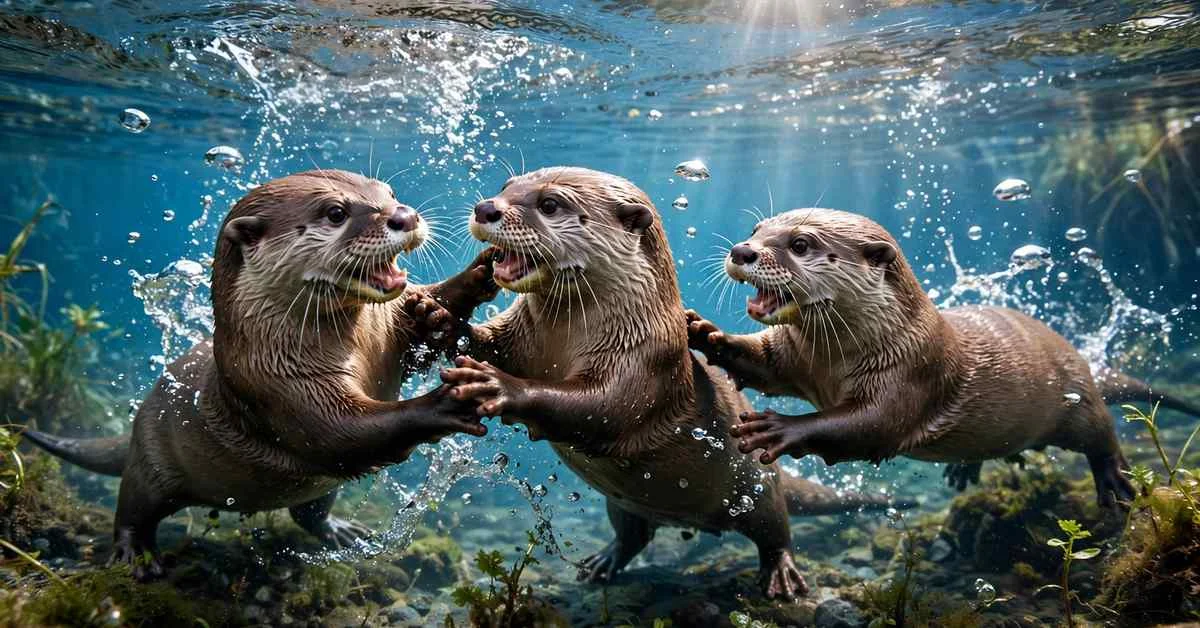
Otter is gay slang for a slim, hairy man. An otter has the lean build of a twink but the body hair of a bear, and that middle ground is exactly the point. You will spot the word in dating app bios, in bar conversations, and anywhere gay men sort themselves into what people jokingly call the animal kingdom. It is almost always self-chosen, rarely an insult, and it tells you two things at a glance: this guy is lean, and this guy is furry. If you have ever wondered where otters fit between bears and twinks, this is your field guide.
So What Is an Otter?
Strip away the jokes and the definition is simple. An otter is a gay man with a slim or athletic body and noticeable body hair. Think lean swimmer build plus a hairy chest. The hair is doing most of the work in the definition. Without it, the same guy would probably get called a twink.
The term lives on a sliding scale. On one end sit twinks: young, slim, smooth. On the other end sit bears: big, stocky or muscular, very hairy. The otter lands in the middle of the map. Smaller frame than a bear, hairier than a twink. That in-between spot is why the word caught on. Plenty of men did not see themselves at either end, so the middle got a name.
Age plays a loose role too. Otters are often described as guys under forty, though nobody checks IDs at the door. The vibe matters more than the birth year. Lean, furry, and a little playful, just like the animal.
The Full Animal Kingdom: A Field Guide
Once you know otter, the rest of the zoo falls into place. Gay culture has built a whole taxonomy of body-type nicknames, and each one sits somewhere on the map.
Bear. The big one, literally. A bear is a larger man, stocky or muscular, with lots of body hair and often a beard. The bear community even has its own bars, events, and pageants in many cities.
Cub. A younger or smaller bear. Same furry energy, smaller frame. Some definitions say a cub is a bear without as much body hair, but most people use it for the younger version.
Otter. Our guy. Slim, hairy, athletic. The bear build minus the bulk.
Fox. The running joke is that a fox is an otter over forty. Silver hair, same lean and furry build, more life experience. Some men wear the fox label with pride.
Twink. Young, slim, smooth-skinned. The opposite corner from the bear.
Wolf. Lean and muscular with a rugged edge. Think athletic build, some hair, confident energy. Wolves sit near otters on the map but read more muscular.
Chub. A bigger, softer man, not necessarily hairy. Add hair to a chub and many people would call him a bear.
Chaser. Not a body type at all. A chaser is someone attracted to one of these types, like a bear chaser or a twink chaser, without fitting the label himself.
Where the Name Came From
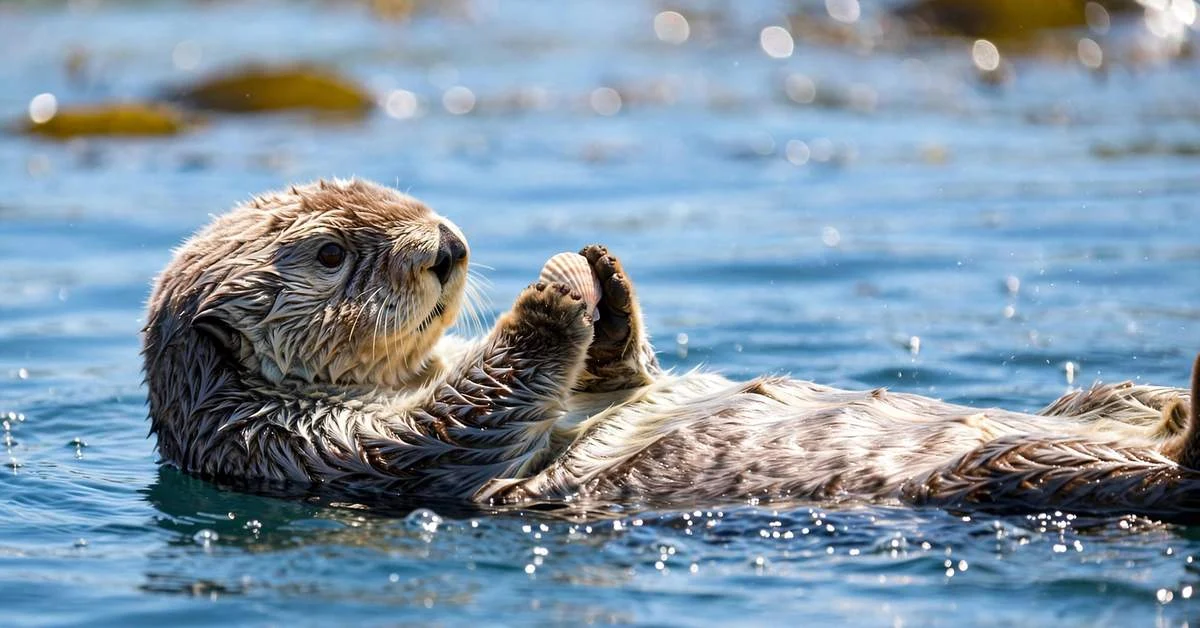
Nobody filed a patent on the word, but the logic is easy to see. Real otters are sleek, agile, and famously playful. They wrestle, they slide, they hold hands while they sleep. Map those traits onto a lean, hairy, fun-loving man and the nickname writes itself.
The animal metaphor is doing cultural work too. Calling the categories animals keeps the whole system light. It is hard to feel boxed in by a label when the label is a woodland creature. That playfulness is probably why the taxonomy spread far beyond bars and into group chats, memes, and dating profiles.
Fitness culture gave the word a second life with ottermode. In gym slang, ottermode means a lean, athletic, lightly hairy physique, the swimmer build rather than the bodybuilder build. You will hear it from men who have never set foot in a gay bar. The word escaped its original habitat.
Where Otters Show Up
The natural habitat of the otter label is the dating app profile. Apps like Grindr let users pick tribe tags, and otter sits right there in the menu next to bear, twink, and the rest. For a lot of men, tapping that tag is the whole point. It filters the dm flood before it starts.
You will also hear it in bars, especially at bear nights and furry-friendly events, where otters are regulars. In conversation it works as quick shorthand. Saying a guy is an otter sketches his whole look in one word, which is useful when the opening line on an app is just wyd and everyone is in a hurry.
Among friends, the labels turn into gentle teasing. One friend is the bear, one is the twink, one is the otter who eats everyone else snacks. Used this way, the taxonomy is less about sorting strangers and more about a friend group giving itself a cast of characters.
Otter or Bear? The Line Nobody Agrees On
Ask ten gay men where otter ends and bear begins and you will get eleven answers. The boundary is the most argued-over border in the animal kingdom. Some say it is purely about size: under a certain build you are an otter, over it you are a bear. Others say it is about attitude and age as much as body.
The confusion is honest because bodies change. A guy can be an otter at twenty-five and a bear at forty-five without changing anything except time. Men also drift between labels on purpose. Bulking up for winter might move someone from otter toward bear, and nobody treats that as an identity crisis.
Outsiders add to the mix-ups. People outside gay culture often hear hairy and jump straight to bear, which annoys otters who feel the distinction matters. If you are unsure, the polite move is simple. Do not assign the label. Let the man name his own animal.
Do You Have to Pick an Animal?
No, and a growing number of men say the whole zoo needs rethinking. Critics argue that any sorting system, even a playful one, still ranks bodies. The taxonomy can feel like a menu, and nobody enjoys feeling like an item on one.
There is also the exclusion problem. The classic animal map was built around a narrow picture of gay men, and plenty of people never saw themselves in it. Newer labels keep appearing, and many men skip the system entirely. On apps, leaving the tribe field blank is a choice too, and a common one.
Still, for the men who use them, the labels often feel like belonging rather than boxing in. Finding your word can feel like finding your table in a crowded room. The healthiest way to treat the taxonomy is as an opt-in game. Fun if you play, invisible if you do not.
FAQ
Is calling someone an otter offensive?
Usually not, but context runs the show. Most men who use the word apply it to themselves. Calling a stranger an otter out of nowhere can land wrong, the same way any comment on a stranger body can. With friends, it is almost always affectionate.
Can a straight man be an otter?
The word belongs to gay culture, so a straight man calling himself an otter would confuse people. A straight guy can absolutely be slim and hairy. He just would not use this word for it. The label carries community meaning, not just a physical description.
What is the difference between an otter and a fox?
Mostly age and seasoning. A fox is widely described as an otter over forty, often with some silver in the hair. Same lean and furry build, more years on it. Some men graduate from otter to fox and announce it like a promotion.
What does ottermode mean?
Ottermode is gym slang for a lean, athletic, lightly hairy build. It is the swimmer body rather than the bodybuilder body. The term crossed over from gay slang into general fitness talk, which is how you know a word has truly made it.
Do I have to choose a label?
Not at all. Plenty of men leave the tribe field blank on apps and never think about it again. The labels are tools for the people who find them useful. If none of the animals fit, you are not missing a requirement. You are just not playing that game.
Conclusion
The otter earned its place in the gay animal kingdom by naming the middle. Not as smooth as a twink, not as big as a bear, the otter is slim, hairy, and playful, and the word gives that combination a home. From dating app tribe tags to bar banter to gym slang like ottermode, it has traveled farther than most slang ever does.
What makes the taxonomy work is that it stays a game. The animals are self-chosen, the borders are blurry, and opting out is always allowed. If you meet the word in the wild now, you know the map. And if someone tells you they are an otter, you know exactly what picture to draw, no field guide required.

I’m Andrew West, a content writer at GrammerZones.com, specializing in high-ranking grammar blogs and modern language trends. I simplify complex grammar and decode Gen Z and Gen Alpha slang to make communication clear, relevant, and engaging.