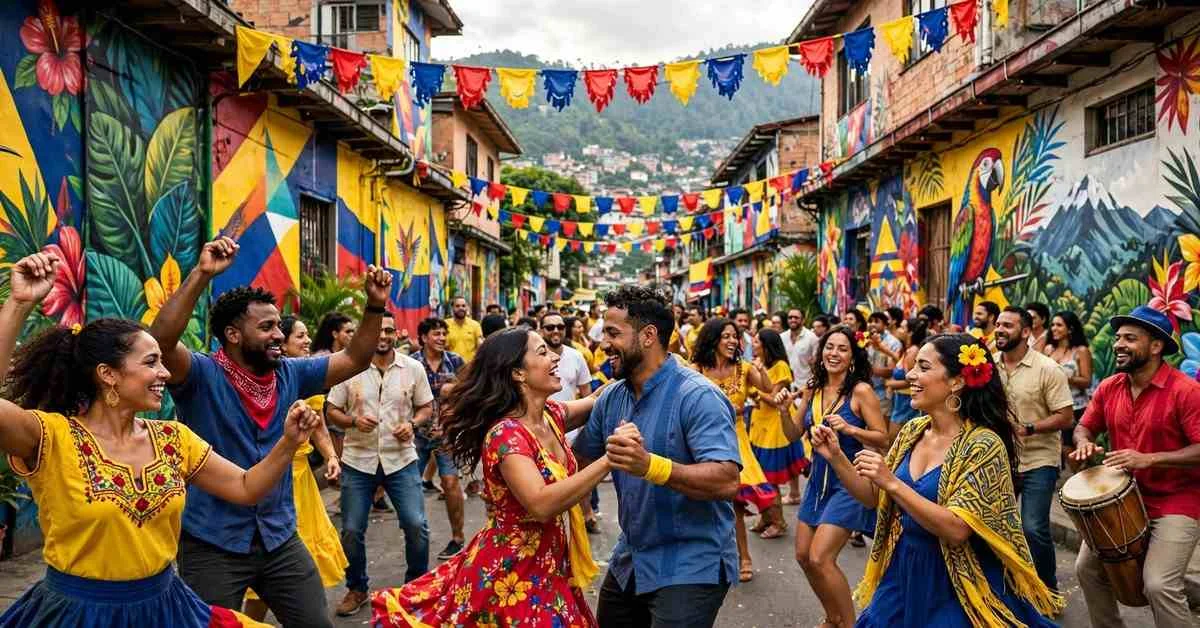
Chimba is Colombian slang for awesome, amazing, or great. Colombians shout que chimba when something turns out fantastic, from good news to great food to an unforgettable night. A friend texts that she got the job and the reply lands in seconds. A goal hits the net and the whole bar erupts. A plate arrives at the table looking perfect and someone says it before tasting a single bite. If you spend time around Colombians, you will hear this word on repeat. It sounds simple, but tone decides everything. Said with a grin among friends, it is pure hype. Said in the wrong setting, it can land as vulgar. This guide breaks down what chimba means, where it came from, how to use it, and the twist you must know first.
Meaning and Definition
At its core, chimba is a hype word. Que chimba works the way how awesome or how cool works in English. It reacts to things going right. A concert announcement, a surprise party, a view that stops you mid-sentence. All of it can be chimba.
The word usually describes things, events, and moments rather than people. A car can be chimba. A night out can be chimba. A song can be chimba. When Colombians want to aim it at a person or a small cute thing, they often reach for the diminutive form chimbita, which softens it into something like cute or lovely.
What makes chimba special is its energy. Softer praise words exist in Colombian Spanish, but none carry the same punch. Chimba is loud, warm, and a little wild. It does not whisper approval. It shouts it.
Where Chimba Comes From
Chimba grew out of Colombian street speech, the everyday language of neighborhoods, buses, and corner stores. Language researchers have not pinned down one single clear origin for it, which is typical for slang that spreads by mouth before it ever reaches a dictionary.
What is clear is how it traveled. It moved through friend groups and cities, then rode Colombian music onto the world stage. Karol G, who is from Medellin, put it in the title of her hit Que Chimba de Vida, which means what an awesome life. The song celebrates her rise from struggling to make it to living her dream, and the word carries that whole victorious mood. When a global star builds a chorus around your slang, the world starts repeating it.
Today chimba is one of the most recognized Colombian words abroad, right up there with parcero for buddy and rumba for party. Inside Colombia it remains an everyday staple, not a tourist phrase.
How Colombians Use Chimba Every Day
Among friends, chimba is a reflex. Good news drops in the group chat and que chimba follows within seconds. It works as a full reaction on its own, no extra words needed. It also opens longer praise, like que chimba de plan for what an awesome plan when the weekend shapes up.
At parties and football matches, it gets louder. A rumba that lives up to the hype earns it. A last-minute goal earns it twice. Colombians also use it for food, music, and places. A restaurant with perfect bandeja paisa, a reggaeton track with an unstoppable beat, a beach town at sunset. All fair game.
Karol G turned it into a global hook, and reggaeton carries it the same way rap slang travels through English lyrics. It carries party energy too, the kind of shout friends trade with the same hype as YOLO on a big night out. Online, you will see it flood comment sections whenever a Colombian creator posts something impressive.
The Vulgar Side You Must Know
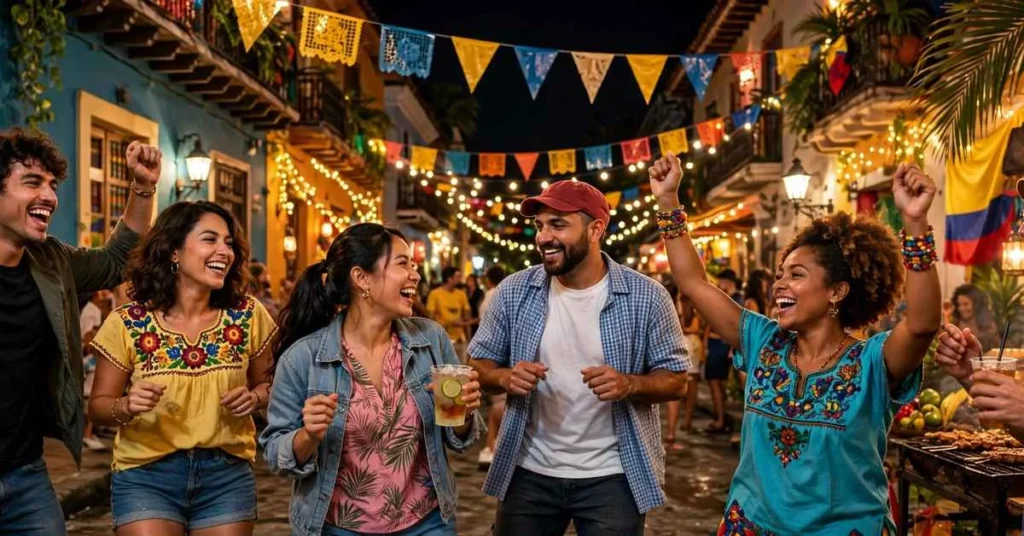
Here is the catch every learner needs. Chimba is colloquial and can be vulgar. The word carries explicit meanings in Colombian Spanish beyond the awesome sense, so it hits harder than softer praise like chevere or bacano. Among friends nobody blinks. In front of a grandmother, a boss, or a stranger, it can shock.
The related form chimbada flips the meaning entirely. Que chimbada reacts to bad news and lands like that sucks or what a mess. A canceled concert, a lost wallet, a plan falling apart. Same word family, opposite mood. Mixing the two up is the classic beginner mistake, so learn them as a pair.
The rule is simple. Read the room. With friends and at celebrations, chimba is perfect. In formal settings, at work, or with elders, pick chevere instead. TBH, that vulgar edge is exactly why you should learn the context before you say it out loud.
Chimba vs Similar Words
Colombian Spanish is rich in praise words, and each has its own flavor. Bacano means cool or great and works almost anywhere without risk. Chevere means nice or cool and is the safest pick of all, understood across Latin America. Berraquera means fantastic or unbelievable and can swing positive or negative depending on tone.
Chimba sits at the loud end of this scale. It is stronger than chevere, warmer than bacano, and more street than all of them. Chimbita, the diminutive, sits at the soft end, turning the hype into affection. Think of it this way. Chevere is a smile. Chimba is a shout.
None of these are interchangeable in every situation, but among friends they overlap a lot. The more Colombian your circle, the more chimba wins.
How to Use Chimba Yourself
Start where it is safest. Drop que chimba in the group chat when a friend shares good news. Say it when the food arrives looking incredible. Text it under a concert photo. These are the natural habitats of the word, and nobody will question you there.
Keep it out of formal Spanish. Do not use it in a job interview, a business email, or a classroom presentation. Do not aim it at strangers or elders until you are sure of the vibe. And never confuse it with chimbada unless you want to call a great moment a disaster.
It is hype, not flattery, so it never lands like glazing. You are celebrating a moment, not buttering someone up. Say it with a grin, mean it, and you will sound like you belong.
Conclusion
Chimba is Colombia in a single word. Loud, warm, and full of feeling. It means awesome, amazing, or great, and Colombians use it to mark the moments worth celebrating, from small daily wins to life-changing news. Its journey from street corners to a Karol G chorus shows how powerful a little slang can be.
Just remember the two sides of it. Que chimba lifts a moment up. Que chimbada drags one down. And the word itself carries a vulgar edge, so save it for friends and fun, and reach for chevere when the setting turns formal. Learn that balance and you will use chimba the way Colombians do, with full confidence and perfect timing. Now go find something worth shouting about.

I’m Andrew West, a content writer at GrammerZones.com, specializing in high-ranking grammar blogs and modern language trends. I simplify complex grammar and decode Gen Z and Gen Alpha slang to make communication clear, relevant, and engaging.