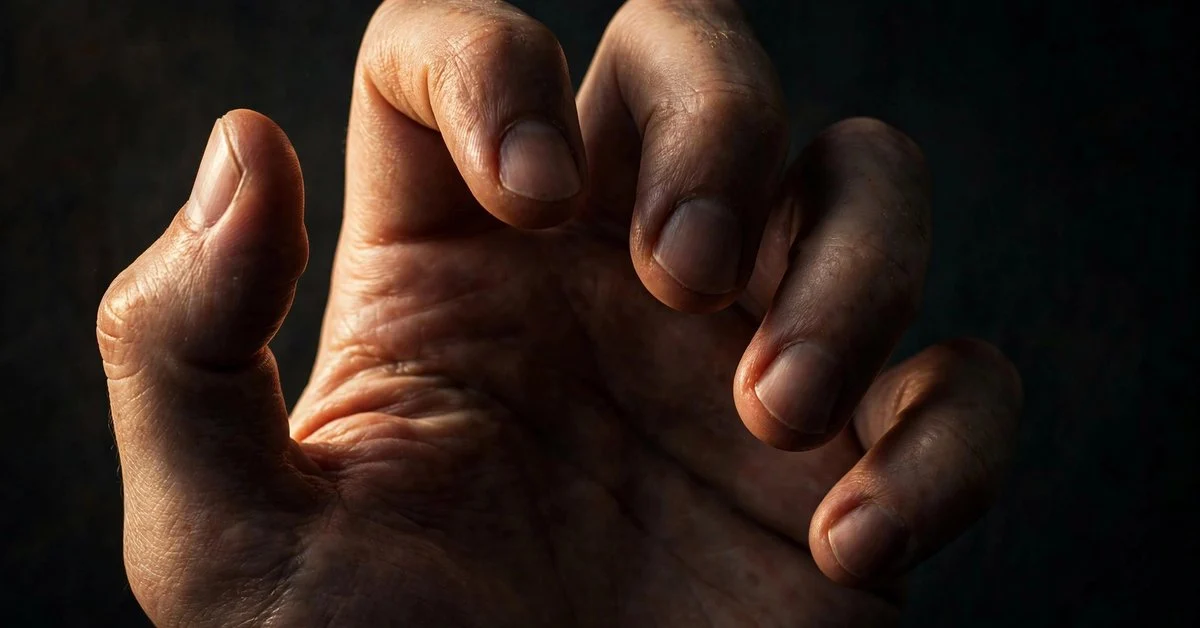
In Argentina, Cuba, and Uruguay, garfio is slang for a finger. The same word that names an iron hook also names the ten little hooks at the ends of your hands. The Royal Spanish Academy itself records this meaning as colloquial in those three countries. Most learners meet garfio first as Captain Hook, el Capitán Garfio, or as a pirate grappling hook. Then they discover their fingers have been garfios all along. This article traces the hook, the dictionary surprise, why fingers earned the name, and a 500-year paper trail that starts with a Roman writing stylus.
The Hook Everyone Meets First
Before the slang, there is the object. A garfio is an iron instrument, curved and pointed, made for grabbing or holding things. Pirates used grappling hooks to climb aboard enemy ships. Butchers hang meat from hooks. Sailors, climbers, and fishermen all have their own versions.
Pop culture gave the word its most famous face. Captain Hook, the pirate villain with a hook for a hand, is el Capitán Garfio in Spanish. Generations of kids met the word through that character before they ever saw a real hook. The image sticks: a gleaming metal curve where a hand should be.
The hook meaning is old and solid. It sits at the center of the word, and everything else grows out of it. Keep that curved shape in mind, because it explains the slang leap perfectly.
The Dictionary Plot Twist
Open the dictionary of the Royal Spanish Academy and look up garfio. Sense one is the iron hook. Sense two is the surprise. Marked as colloquial in Argentina, Cuba, and Uruguay, it means a finger of a person. Your index finger, your thumb, all ten of them: garfios.
This is not internet slang invented last year. It is official enough for the Academy to print it, with country labels attached. Three countries share this usage, which tells you the metaphor traveled well. Somewhere along the way, enough Spanish speakers looked at their fingers and saw little hooks that the dictionary had to catch up.
The plot twist works because it flips the scale. A pirate hook is big, metal, and dramatic. A finger is small, warm, and ordinary. Calling a finger a garfio borrows the drama of the big hook and shrinks it down to hand size.
Why Fingers Got the Hook Name
The logic is visual. Curl your fingers and look at them. Each one forms a small hook, perfect for grabbing, clutching, and pulling. Fingers do exactly what iron hooks do, only softer and smarter. The metaphor practically names itself.
Think about what fingers spend all day doing. They hook onto handles, they fish keys out of pockets, they point at things across the room. A pointing finger is literally a human hook aimed at a target. The word fits the job description.
Slang loves this kind of body metaphor. Languages everywhere rename body parts after tools. English calls the forearm area by tool names in workshops, and Spanish does the same with fingers here. Once you see the hook shape in your own hand, you cannot unsee it.
Talking With Your Hands, Porteño Style
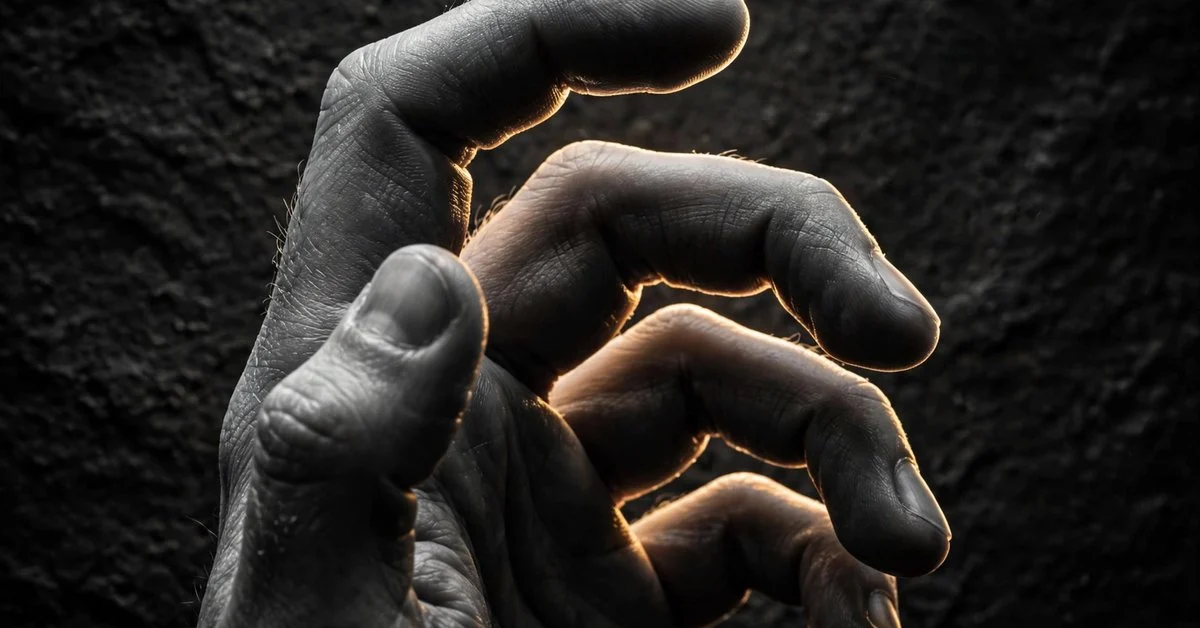
The finger meaning lands hardest in Argentina, where talking with your hands is practically a second language. Porteños, the people of Buenos Aires, are famous for hand gestures that carry half the conversation. The gestures add emphasis, humor, and attitude that words alone cannot deliver.
In a culture like that, fingers deserve a strong name. They are not just digits for typing. They are instruments of expression, waving, pointing, counting, and punctuating every story. Calling them garfios gives them the weight they earn every day.
You do not need to master the gestures to appreciate the word. Just know that in Buenos Aires, hands talk, and garfios do the talking. When your wyd text gets typed out, it is your garfios doing the work. A hand on the heart when you say tbh hits harder because the garfios sell the honesty. And the classic accusing point, the one that says you look sus, is a garfio doing its oldest job.
A 500-Year Paper Trail
Garfio is not a young word. Its trail starts with the Latin graphium, a style or writing stylus, which came from the Greek grapheion. Along the way it got influenced by garfa, and the meaning shifted from a writing tool to a grabbing tool. The pen became a hook.
The word first appeared in a dictionary in 1495, in a Spanish-Latin vocabulary, and it entered the Royal Spanish Academy in 1734, in the Diccionario de autoridades. That is roughly five centuries of recorded life. The finger sense joined later, as colloquial speech in Argentina, Cuba, and Uruguay earned its place in the official entry.
Most slang words burn bright and fade fast. Garfio did the opposite. It started formal, got its papers in 1495, and then grew a streetwise second meaning centuries later. The hook grabbed a new job and never let go.
Garfio vs Gancho: Do Not Mix Them Up
Spanish has another hook word, gancho, and learners often wonder if the two are interchangeable. For the iron hook meaning, they overlap a lot. Both can name a curved grabbing tool. Gancho is the more everyday word in many countries.
But gancho does not mean finger. That twist belongs to garfio alone, and only in Argentina, Cuba, and Uruguay. If you call your fingers ganchos in Buenos Aires, people will understand the image but hear it as your own invention, not the local word.
The safe rule is simple. Hook as a tool: either word works, with gancho slightly more common. Finger as slang: garfio, in those three countries, period. Keep them straight and you will sound like you know the map, not just the dictionary.
Garfio Slang Meaning FAQ
Does garfio really mean finger?
Yes, as colloquial slang in Argentina, Cuba, and Uruguay. The Royal Spanish Academy lists it as the second sense of the word with those country labels.
Can I use garfio for finger in Mexico or Spain?
People would probably get the joke from the hook image, but it is not local slang there. In Mexico and Spain, garfio means the iron hook, nothing more.
Why is Captain Hook called Capitán Garfio?
Because garfio is the natural Spanish word for a hook, and the pirate captain wears one in place of his hand. The name translates the image directly.
Where does the word come from?
From the Latin graphium, meaning a writing stylus, via the Greek grapheion, influenced by garfa. It first appeared in a dictionary in 1495.
Conclusion
Garfio starts as an iron hook and ends as your own fingers, at least if you are in Argentina, Cuba, or Uruguay. The Royal Spanish Academy backs the slang meaning, the metaphor is visually perfect, and the word carries about five hundred years of history from a Roman stylus to a pirate captain to your own hand. Remember the split: gancho for the everyday hook, garfio for the hook with stories attached. And the next time you point at something across the room, take a second to admire the little hook doing the work. Your garfios have been grabbing the world since long before you knew their name.

I’m Ryan Hayes. On grammerzones.com, I write clear, no-nonsense guides to slang and everyday expressions. So the next time a word confuses you, you’ll find the answer here.