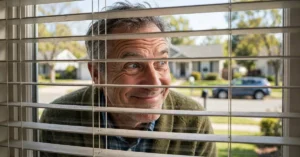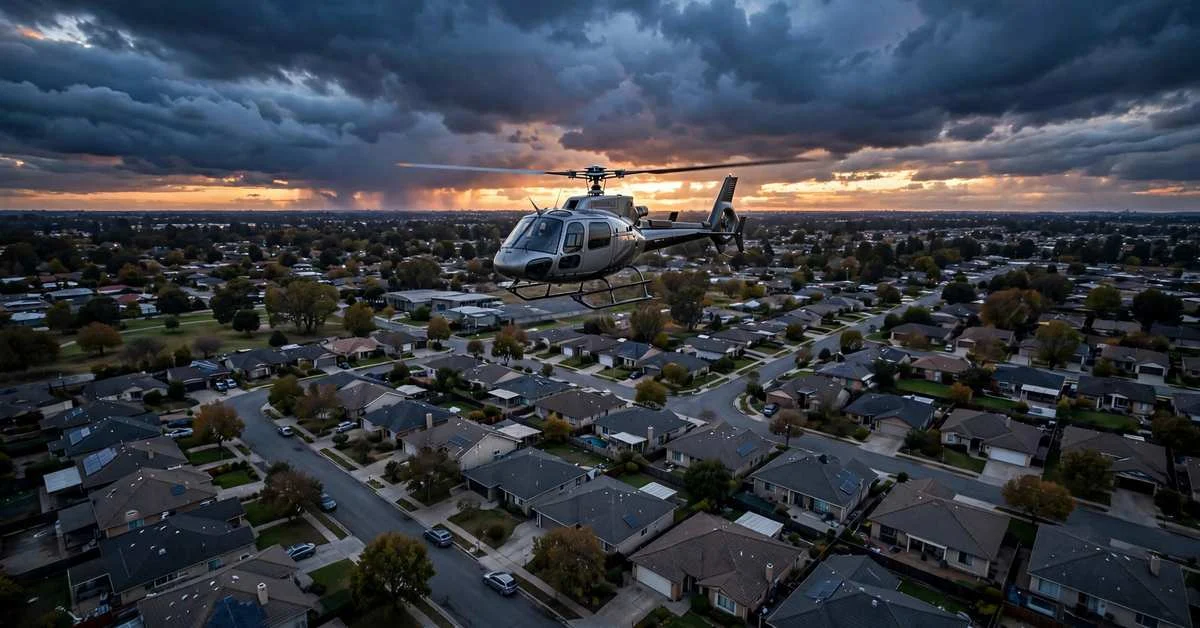
Helicopter as slang most often means a helicopter parent, a mom or dad who hovers over every part of the life of a child the way an aircraft holds its position in the sky. The image is simple. A helicopter does not fly off and disappear. It stays overhead, rotors spinning, watching everything below. That is the parenting style the word describes, constant supervision from above.
The term did not start in a parenting magazine or a viral post. It came from the mouth of a teenager back in 1969, and it took about three decades to become the everyday label we all know. This article traces the hover from a book page to college campuses to the group chat, and tours the whole fleet of related terms.
Why the Hover Image Works So Well
Of all the machines a parent could be compared to, the helicopter is the perfect pick, and the reason is one single ability. Helicopters hover. Planes pass by. Cars drive off. A helicopter can hold one spot in the sky for as long as it wants, loud and impossible to ignore. That is exactly what overinvolved parenting feels like from below.
The seed of the term appeared in 1969 in the bestselling book Between Parent and Teenager by Dr Haim Ginott. He quoted a teenager who said his mother hovered over him like a helicopter. The image stuck because every reader could picture it instantly. No explanation needed. One sentence, and an entire parenting style had a name.
From One Teenager to Every Campus
The phrase stayed in circulation through the late 1980s, but it truly took off in the early 2000s, when the oldest millennials started reaching college age. University administrators suddenly had a name for what they were seeing. Parents called every morning to wake their kids up for class. Parents complained to professors about grades. Summer camp directors reported the same pattern with younger kids.
What started as a joke among deans became a serious topic. A 2018 study published through the American Psychological Association found that children of helicopter parents were more likely to show behavior problems and struggle in school. The hovering, meant to protect, was backfiring. Teachers who spot a parent doing the homework instead of the student tend to read the whole situation as sus, and the research suggests the teachers have a point.

The Black Hawk Upgrade
Every slang term grows a more intense cousin, and helicopter is no exception. A black hawk parent is the extreme version, named after the military helicopter, stricter, louder, and even harder to escape. Then there is the lawnmower parent, who goes one step further and mows down every obstacle before the child even sees it. No bad grades, no lost games, no disappointment, ever.
Researchers have catalogued even more members of the fleet. Helicopter attitudes have been tagged as hovercrafts, hummingbirds, and stealth fighters in academic writing. Each name is a joke with a sharp edge. And on the far opposite runway sits free-range parenting, where kids roam, explore, and learn by doing, the anti-helicopter.
A lot of hovering starts with an honest idk moment. The parent genuinely does not know where helping ends and controlling begins, so they pick the side of more control. It feels safer. The research says it usually is not.
Helicopters Beyond Parenting
The word escaped the family and found work elsewhere. To helicopter over someone now means to supervise anyone excessively. Offices have helicopter bosses who hover over every email and deadline. The image works the same way, and everyone in the room gets it without a manual.
There is also the helicopter view, a business favorite, meaning the big picture seen from above. Same aircraft, totally different flight. One hovers to control. The other rises to understand.
How to Use Helicopter Without Crashing
Context decides how this word lands. Used playfully about yourself, it gets a laugh. Saying your mom went full helicopter before your exams is a confession, not an attack. Aimed at someone else, it stings, because nobody likes hearing that their love looks like surveillance.
The safest move is the self-deprecating one. And tbh, most helicopter parents act out of love, not malice. The word just reminds them that love with rotors still makes a lot of noise.
College deans still swap smh-worthy stories about wake-up calls and grade complaints, which tells you the term earned its place. It named something everyone had seen but nobody could describe in one word.
Helicopter Slang FAQs
What is a helicopter parent in simple words?
A parent who hovers over the life of a child, supervising school, friends, and activities far more than the situation needs.
Where did the term helicopter parent come from?
A 1969 book called Between Parent and Teenager by Dr Haim Ginott, quoting a teenager who said his mother hovered over him like a helicopter.
What is a black hawk parent?
The extreme version of a helicopter parent, stricter, louder, and more intense, named after the military helicopter.
What is a lawnmower parent?
A parent who mows down every obstacle before the child faces it, so the kid never feels failure or disappointment.
Is helicopter parenting always bad?
Experts say the intent is love, but studies link heavy hovering to less independence and more behavior issues. Balance is the goal.
Conclusion: Learn When to Land
The helicopter earned its place in slang because it named something everyone had seen but nobody could describe in one word. Before 1969, overinvolved parenting was just a feeling, annoying to teens, funny to deans, worrying to researchers. After one teenager reached for an aircraft metaphor, the feeling had a label, and the label spread from a book to campuses to everyday speech.
The real lesson of the word is not that caring is wrong. It is that hovering has a cost, and the people below the rotors feel it first. The best parents, bosses, and mentors learn the same flight skill. They know when to hover and when to land, when to watch closely and when to let the sky clear. Use the word with that spirit, aimed at the behavior and not the person, and it stays funny instead of turning into an insult. After all, every helicopter looks coolest when the pilot knows exactly when to touch down.

I’m Mason Reed, a language and communication writer at GrammerZones.com. I specialize in explaining English meanings, grammar concepts, internet slang, texting abbreviations & social media terms in a clear and practical way. My goal is to provide accurate, easy-to-understand content that helps readers confidently navigate modern language and online communication.