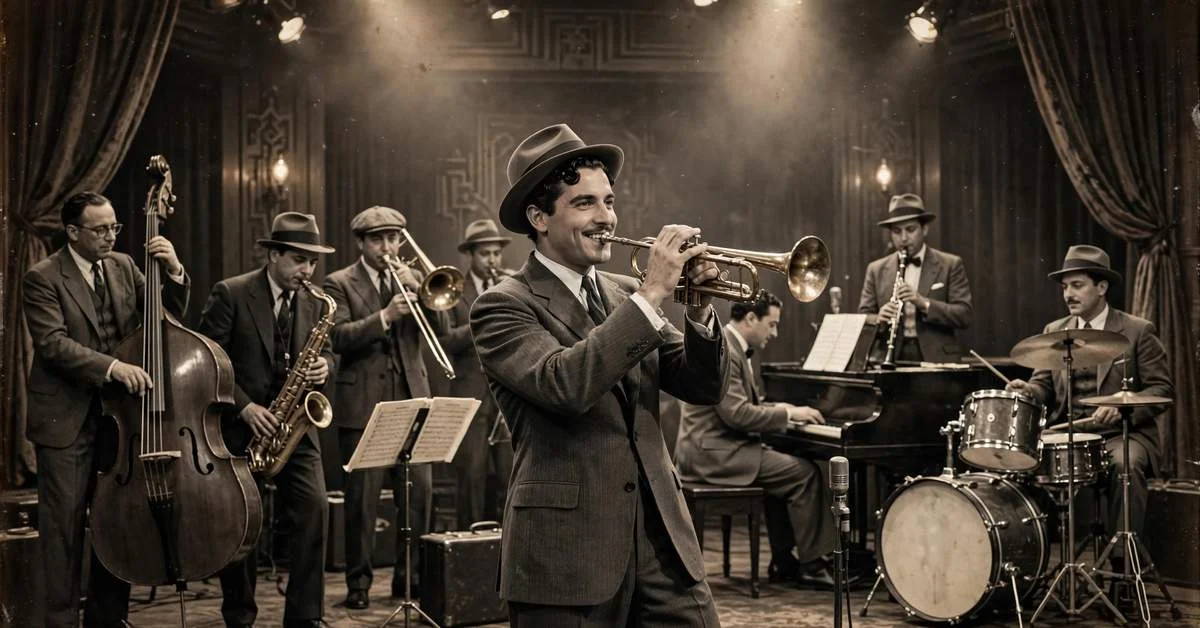
Hep was the original word for being in the know. Long before hip took over, jazz musicians in the 1920s and 1930s called a sharp, stylish insider a hep cat, and the word ruled the coolest rooms in America. Hep is the older sibling that lost the popularity contest to its own twin. It was born in Black American speech, raised in the jazz clubs, written into a famous dictionary, and then quietly retired when the next generation picked a new favorite. This is the story of the word that came first and the night it lost its crown.
Born in the Jazz Age: Where Hep Came From
Hep grew out of Black American vernacular in the early 1900s, and it was in print by the first decade of the century. Nobody knows exactly where it came from. The big dictionaries list its origin as unknown, and that is the honest answer. Some writers have suggested a West African root, pointing to words for open eyes and awareness. Professional etymologists reject that claim for lack of evidence, which leaves hep as one of those slang words with a birth certificate nobody can find.
What is certain is where hep grew up: the jazz scene. In the 1920s, as jazz exploded across America, musicians needed a word for the people who truly got the music. Not the tourists. Not the dabblers. The ones who understood the improvisation, the timing, the feeling underneath the notes. Those people were hep. A musician who could play a complex solo was hep. A listener who caught every twist in it was hep too.
The word quickly grew a family. A hep cat was a knowledgeable, fashionable jazz fan, the kind of person who knew all the bands and all the rooms. By the 1930s, hep had spread past the clubs and into everyday American talk. It meant aware, up to date, and with it. For about two decades, hep was the word. Then its own success killed it.
The Hepster Dictionary: When Cab Calloway Wrote It Down
In 1938, bandleader Cab Calloway did something remarkable: he published a dictionary of the slang. His book, the Hepster Dictionary, was a real glossary of jive talk, and the title itself was a joke, a pun on a famous dictionary brand. Inside, he defined the hep cat as a guy who knows all the answers and understands jive. The book treated street slang with the seriousness of a textbook, which was exactly the point. The language of the jazz clubs was rich enough to need a dictionary.
The dictionary marked the high-water line of hep. When a word gets its own published dictionary, it has arrived. Cab Calloway was not just a musician. He was a star, a showman, and a cultural force. His book carried hep from the clubs into living rooms across the country. Kids who had never heard a live jazz band were reading hep talk at the kitchen table.
And that was the problem. A slang word is a kind of secret handshake. Once everybody knows the handshake, it stops being a secret. By the late 1930s, with swing music dominating the radio, hep was everywhere. Radio hosts said it. Columnists said it. The word that once marked you as an insider now marked you as ordinary. The jazz cats noticed, and they did what insiders always do: they changed the code.
Saying Goodbye: The Night the Word Lost Its Crown
The changing of the guard has a date and a soundtrack. In 1944, pianist Harry Gibson released a record called Handsome Harry the Hipster, with a short glossary for listeners who did not dig jive talk. His glossary defined hipsters as characters who like hot jazz. The new word was hip, and it was already pushing hep aside.
Three years later, Gibson made the switch official in song. His 1947 record laid out the difference between the two words in music, telling listeners plainly that the old term was out and the new term was in. It was a coronation and a funeral in one record. Hep had ruled for decades. Hip took the throne in a single chorus.
The swap followed a pattern as old as slang itself. The in-group picks a word. The word works because outsiders do not use it. Then the word gets popular, the outsiders start using it, and the in-group moves on. Hep did not die because it was a bad word. It died because it was too successful. The smh moment came when your grandmother started saying hep, and the jazz cats quietly switched to hip.
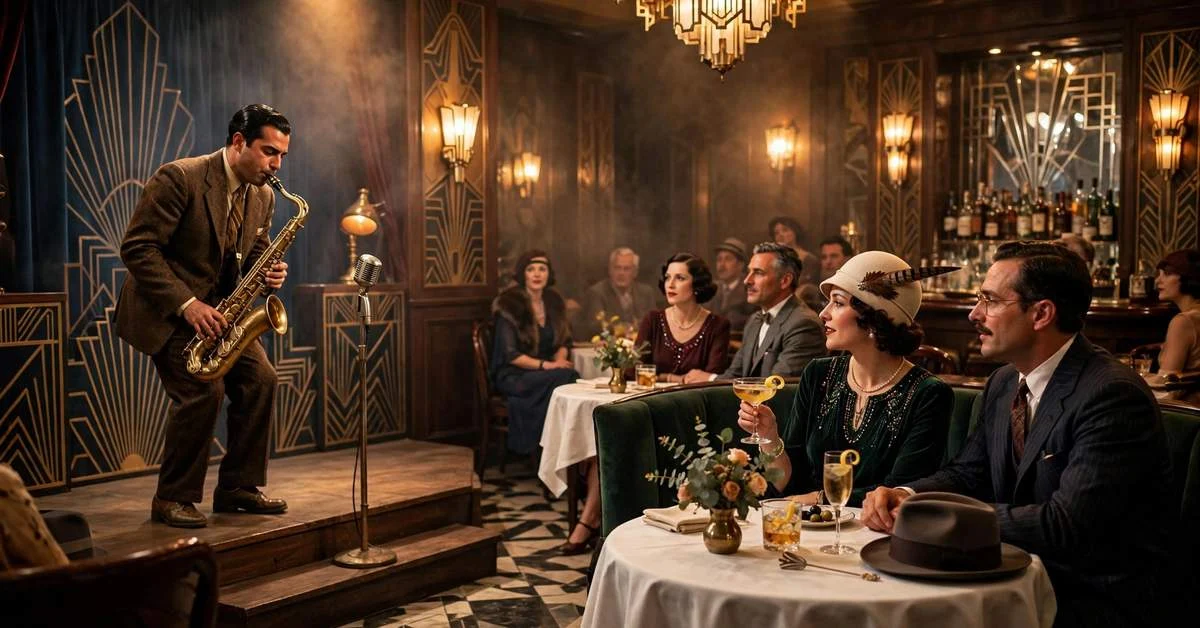
Why Hip Won the Popularity Contest
So why did hip win instead of just fading with its sibling? A few reasons, and they are worth knowing because they explain how slang survives. First, hip had a verb form. Since the 1930s, to hip someone has meant to inform them, to bring them into the know. Hep never grew a verb that stuck. A word that can do more jobs lasts longer.
Second, hip arrived with better timing. It became the insider word just as the 1940s gave way to the 1950s beatniks, who carried it into poetry and coffeehouses, and then the 1960s hippies, who carried it around the world. Hep missed those rides. It peaked with swing and faded with it.
Third, hip had children. Hipster, hippie, hip-hop: each generation built a new word on the old root, and each one dragged the parent word back into the light. Hep had the hep cat, and that was about it. When the hep cat retired, hep had no heirs. Anybody still saying hep in 1945 sounded sus to the new crowd, like someone still wearing the fashion of last decade on purpose.
There is also a simpler theory, and it might be the truest one: hip just sounded fresher. Slang runs on sound as much as sense. The hepsters showed off their lingo the way people stunting on social media show off a new fit today. When the show moved on, the word moved with it.
Where Hep Lives Now
Hep is not fully gone. It lives on as a vintage flavor, the way old neon signs live on in diners. You will find it in books about jazz history, in retro advertising, and in the mouths of people doing a 1930s impression. A hot solo from the swing era is still hep in the history books, the way a banger is gas now. Same job, different century.
The word also survives in a few odd corners. Hep is a drill interjection, a marching cadence call like hut and hup, though that use has its own separate story. And watch out for the rosehip, the fruit of the rose, which is spelled hep in some dictionaries and has nothing to do with jazz at all. Same letters, completely different word.
Every now and then, hep pops up as a deliberate throwback. A writer describing a 1930s scene will drop in a hep cat for period flavor. A band with a retro sound might name-drop it in a lyric. Each time, it works like a costume: fun to wear for a night, but nobody mistakes it for everyday clothes.
Frequently Asked Questions
Is hep still used today?
Rarely. It survives in jazz history, retro writing, and deliberate throwbacks. In everyday speech, hip replaced it decades ago.
What is the difference between hep and hip?
Almost nothing, in meaning. Both meant aware and in the know. Hep came first and ruled the 1920s and 1930s. Hip took over in the 1940s and never gave the crown back.
What is a hep cat?
A hep cat was a knowledgeable, fashionable jazz fan in the 1930s, someone who knew the music and the scene inside out. The term later became hip cat, then hipster.
Is hep related to hepatitis?
No. Hep is sometimes used as a short form of hepatitis in medical talk, but that is a separate word with a separate story. The jazz slang hep has nothing to do with the disease.
The Sibling That Came First
Hep did everything right and still lost. It was born in the right place, raised by the right people, and written into a real dictionary by a real star. Its only mistake was succeeding too well. Once the whole country was hep, the word could no longer do the job slang exists to do: mark the insider. Hip picked up the same meaning, added a verb, caught better rides through the decades, and raised a family of famous children. Hep retired to the history books with its dignity intact. Every time you say hip, you are speaking the name of the younger sibling. But now you know the older one, the one that came first, the one the jazz cats said when the music was new. Hep is out of style now. It will not come back. And somehow, that makes the word even cooler.

I’m Mason Reed, a language and communication writer at GrammerZones.com. I specialize in explaining English meanings, grammar concepts, internet slang, texting abbreviations & social media terms in a clear and practical way. My goal is to provide accurate, easy-to-understand content that helps readers confidently navigate modern language and online communication.