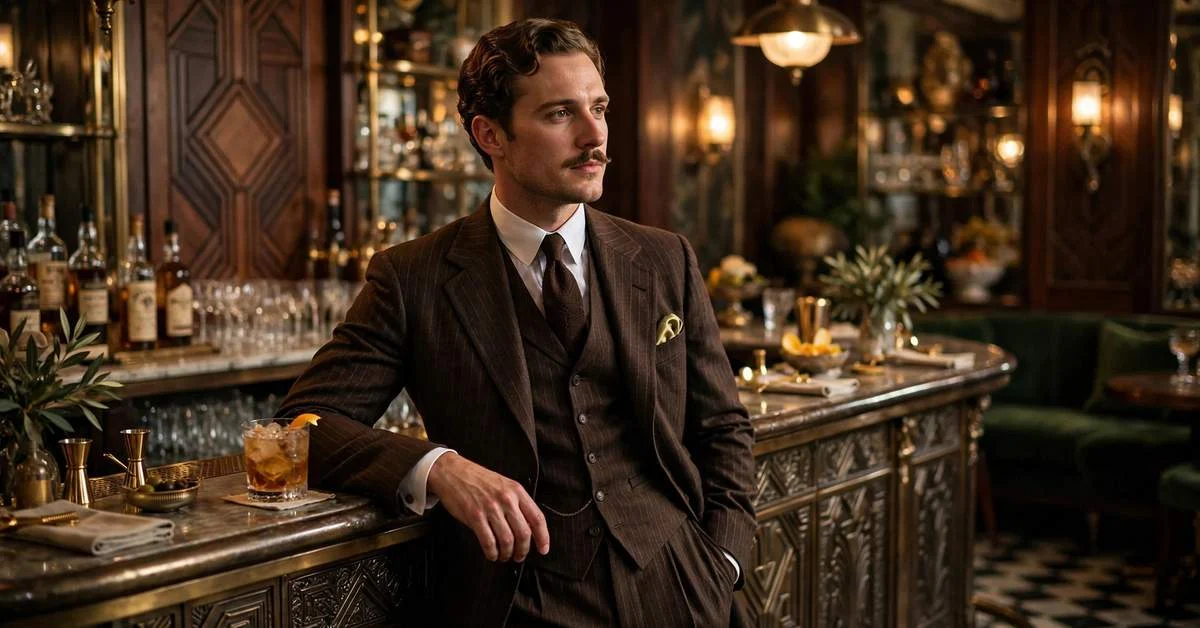
Lizard in slang points to the lounge lizard. That is a well-dressed man who haunts bars, hotel lobbies, and clubs, charming women with smooth talk while hunting for money, drinks, or a free ride. The word paints him as cold-blooded: all surface shine, no warmth underneath.
The term is over a century old, born in New York around 1915, and it has shown up in nearly every decade since. Silent films mocked him, novelists wrote him, and video games turned him into a comedy legend. This article traces the full story, from the dance halls of the 1910s to the modern meaning, and explains why the lizard became the perfect animal for this particular kind of man.
New York, 1915: Where the Lizard Was Born
The lounge lizard crawled out of New York City around 1915. The city was full of new social spaces: hotel lounges, tea dances, supper clubs, and cabarets where wealthy people gathered to be seen. And wherever money and boredom mixed, a certain type of man learned to linger.
These men were not exactly criminals. They were fixtures. They knew which hotel bar poured generous drinks, which dance floor had the richest crowd, and which widow was new in town. A 1931 book described them as men who drifted between dance resorts from tea time onward, hoping to pick up a few dollars or a generous companion. The lounge was their hunting ground, and charm was their only weapon.
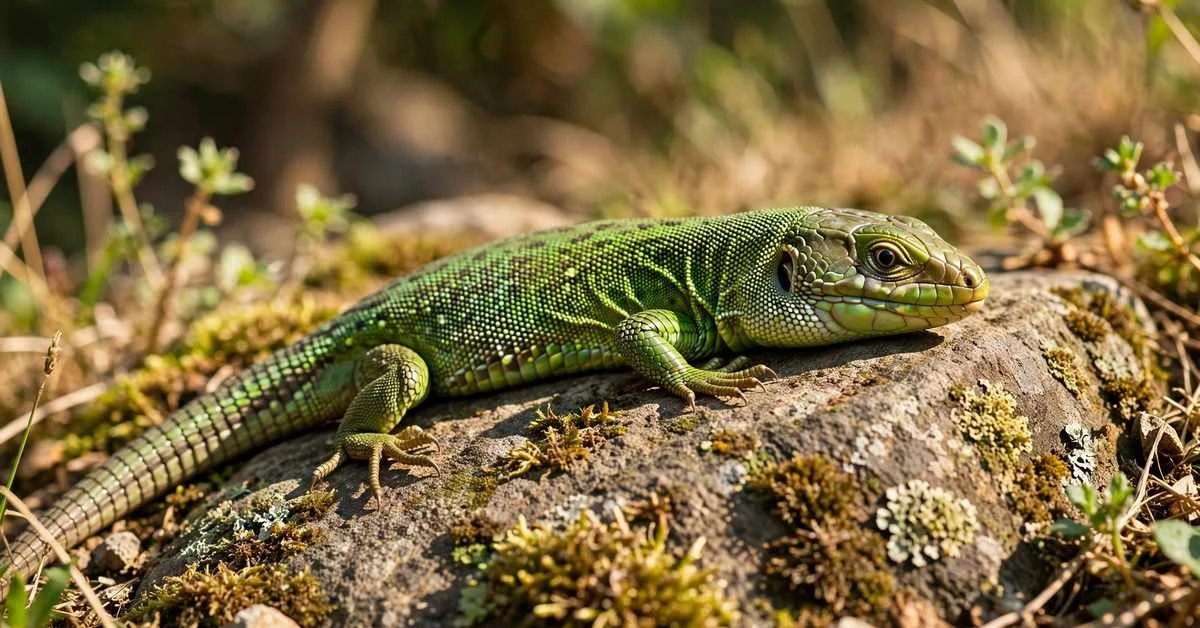
The animal fit the man. Lizards bask. They sit still in warm places, soaking up heat they did not earn. They move with a smooth, low, insinuating glide. The term reportedly owes something to that cold and creeping quality, the sense of a creature that slides into comfortable places and stays there. Some have suggested the name came from reptile-skin shoes that were fashionable at the time, but there is no solid proof for that story.
Anatomy of a Lounge Lizard: Three Traits
The classic lounge lizard has three traits, and you can spot the type in any era once you know them. First, the lounge. He is always somewhere comfortable that someone else paid for: a hotel bar, a club, a resort pool. He never hosts. He appears.
Second, the charm. The lizard runs on flattery and smooth conversation. He compliments, he listens, he laughs at the right moments. The performance is the product. Unlike a plain bougie social climber who wants the lifestyle, the lizard wants a specific person, usually a wealthy woman, to fund his evening.
Third, the target. The old definition is blunt: the lounge lizard is the male version of a gold digger. He is not looking for love. He is looking for a sponsor. The 1931 description even framed some of them as men hoping to pick up a few dollars along with the company. The romance is the cover story. The wallet is the plot.
The Lizard on the Big Screen
Hollywood loved the lounge lizard because he was instantly recognizable. Charlie Chaplin used the term on a title card in his 1919 film Sunnyside, showing hotel lobby loafers as the joke. Buster Keaton went further in his 1924 film Sherlock Jr, which features a movie inside the movie with a handsome, well-dressed romantic rival type built exactly on the lounge lizard model.
Agatha Christie put one in print too. In the first story of her Parker Pyne Investigates collection, a character named Claude Luttrell gets the lounge lizard label, and every reader in the 1930s knew exactly what kind of man that meant. The term had crossed the ocean and settled into British crime fiction without losing a drop of meaning.
The modern comedy version arrived with video games. Leisure Suit Larry in the Land of the Lounge Lizards turned the smooth operator into a lovable loser, a polyester-clad bachelor whose charm never quite works. The joke only lands because the audience already knows the original: the lizard is supposed to be smooth, and Larry is smooth the way a brick is aerodynamic.
Lizard vs Snake vs Gold Digger: The Word Family
Lizard has close cousins, and mixing them up misses the point. A snake betrays trust, while a lizard exploits comfort. The snake stabs you in the back. The lizard just never leaves your couch. A gold digger chases wealth directly and openly. The lounge lizard wraps the same hunt in romance and flattery.
Then there is the gigolo, the European cousin. The old sources say the lounge lizard evolved into the gigolo across the Atlantic: less lounging, more direct transaction. And do not confuse any of them with glazing, which is just over-the-top flattery with no romantic target at all. The lizard always has a target. The flattery is just the tool.
What ties the family together is the reptile logic. Cold-blooded, patient, and always basking in warmth that belongs to someone else. English keeps reaching for reptiles when it wants to describe charm without sincerity.
Is the Lounge Lizard Still Around
The term is labeled old slang in dictionaries now, but the species did not go extinct. It just changed venues. The hotel lobby became the rooftop bar. The supper club became the VIP section. The dance resort became the dating app. The method is the same: be well-dressed, be charming, be exactly where the money is, and let someone else pick up the check.
You will still hear the phrase used as a playful insult. Calling someone a lounge lizard today usually means they are being a little too smooth, a little too comfortable, and a little too interested in the wallet of someone else. It lands as a joke with a sharp edge, which is exactly how it worked in 1915.
The word also survives as a band name and a cultural reference point. The Lounge Lizards, a New York jazz group active from the late 1970s to the late 1990s, borrowed the name for its ironic ring. Every generation rediscovers the lizard, laughs, and points at the nearest example.
FAQ
What is a lounge lizard?
A man who hangs around bars, clubs, and hotel lounges, using flattery and charm to attract women, often wealthy ones, who will pay his way. The term dates to New York around 1915.
Is lounge lizard an insult?
Yes, but a vintage and often playful one. It calls a man a sponger and a smooth-talking parasite. Said with a smile, it teases. Said with venom, it accuses him of hunting wallets.
What is the female version of a lounge lizard?
The closest match is a gold digger. The old sources describe the lounge lizard as the male equivalent, though the lizard wraps the hunt in more romance and performance.
Why a lizard and not another animal?
Because of the cold and creeping quality. Lizards bask in warmth they did not create, move smoothly, and give nothing back. The image fits a man who soaks up luxury without earning it.
Do people still say lounge lizard?
Less often than a century ago, but the phrase survives as a joke insult and a cultural reference. The behavior it describes, charming your way into a good time paid for by someone else, is timeless.
Conclusion
The lounge lizard earned his name by perfecting a very specific art: being comfortable at expense paid by someone else. The term was born when New York invented the modern nightlife, and it survived because the character never went away. Every era has its version, from the 1915 hotel lobby to the modern rooftop bar.
What makes the word great is the animal logic. A lizard does not hunt loudly or fight fairly. It basks, it waits, and it lets the warmth come to it. Call a man a lounge lizard and everyone pictures the same thing: smooth suit, smooth talk, and a bar tab with the name of someone else on it. A century of slang has come and gone, and the lizard is still lounging.

I’m Riley Spencer. I track down the latest slang, memes, and viral phrases for grammerzones.com, explaining what they mean and how people actually use them, in plain simple words.