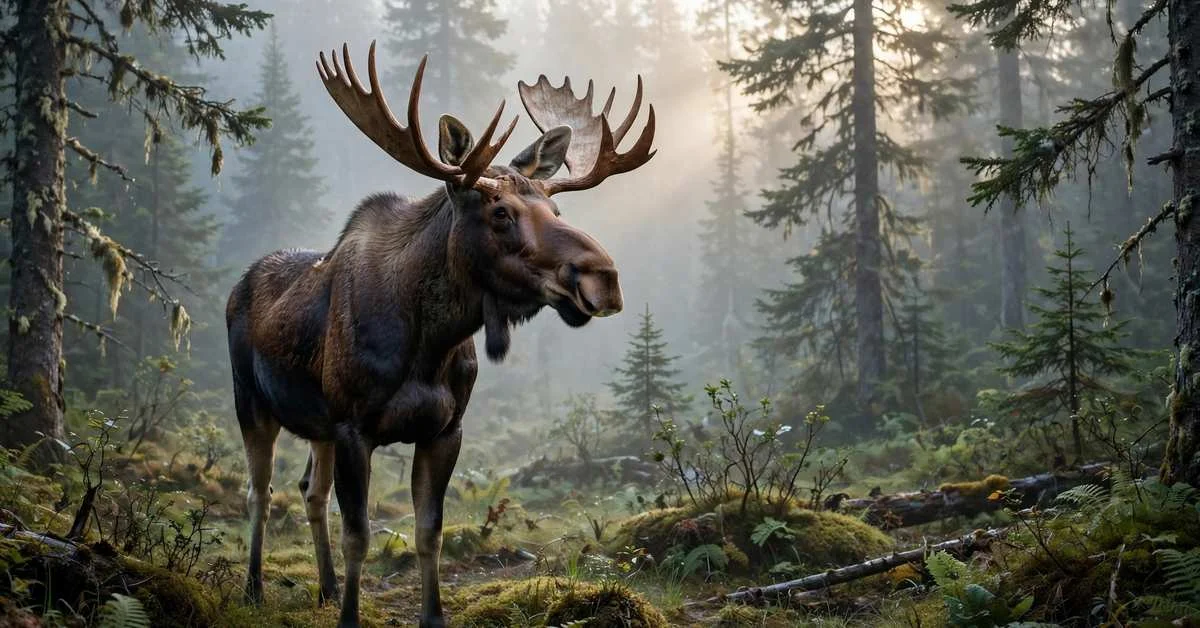
Moose slang means a big lovable oaf, a gentle giant type of person. When someone calls you a moose, they are picturing the huge Canadian animal and using it to describe a large person with a soft heart. The word carries warmth far more often than it carries venom, and the tone of voice decides which one you get.
Picture the guy who towers over everyone at the barbecue, knocks a chair over with his elbow, then apologizes to the chair. That is the moose archetype in one image. The term has lived in North American slang for decades, and it has picked up extra meanings along the way. This guide starts with the gentle giant meaning, then covers the Canadian connection, the affectionate insult version, and the other things moose can mean in conversation.
The Gentle Giant: What Moose Actually Means
At its core, moose describes a person who is large in body and soft in spirit. Think of the classic big guy in old comics and cartoons, the one who could crush a door but would never hurt a fly. One slang dictionary even describes the moose type as an Archie comics character, big and goofy and harmless.
The animal itself makes the metaphor work. A real moose is enormous, often weighing more than a small car, yet it is not a predator. It wanders the northern woods minding its own business, looking slightly awkward with those long legs and that drooping snout. Calling a person a moose borrows all of that: the size, the clumsiness, and the harmless vibe.
You will hear it in moments of fond exasperation. A friend trips over his own feet and someone laughs and calls him a moose. A tall buddy gives hugs that nearly crack ribs, and the group calls him their moose with real affection. The word lands as a compliment wrapped in a joke, which is why people rarely mind hearing it from friends.
There is a useful contrast hiding here. Where tuff celebrates hardness and edge, moose celebrates softness and warmth. English has plenty of big-animal nicknames, and most of them are not kind. Calling someone an elephant usually means they are clumsy or in the way. Calling someone a bear can mean they are gruff or aggressive. Moose stands apart because the default setting is sweet, and that is the reason the word has survived in friendly slang for so long.
A Canadian Icon Walks Into a Room
You cannot talk about moose slang without talking about Canada. The moose is one of the great symbols of the Canadian wilderness, right up there with the beaver and the maple leaf. In a country where the animal is a point of national pride, calling someone a moose carries a different charge than it does anywhere else.
Canadians use the word with a particular warmth. Up north, moose can function almost as a term of endearment, the way Australians might call a mate a legend. A Canadian dad might call his oversized teenage son a moose and mean it with total love. The humor is self-deprecating and the affection is real.
This also explains why the word travels well in hockey culture and other Canadian-dominated spaces. Locker rooms run on nicknames, and moose is a natural fit for the biggest guy on the roster. It says you are huge, you are one of us, and we love you anyway. Few nicknames pack that much meaning into five letters.
The Affectionate Insult: You Stupid Moose
One of the most common uses of moose is the affectionate insult, and it usually sounds like this: you stupid moose. Someone locks their keys in the car, and a friend delivers the line with a grin. Someone tells a joke that falls completely flat, and the table answers with a collective smh and calls him a moose. The stupidity in question is always minor, always forgivable, and always funny.
Tone does all the heavy lifting here. Said with a laugh, you stupid moose is practically a hug. Said with real anger, it turns into something else entirely, but that is rare. The word itself resists venom. It is hard to sound truly cruel while naming a goofy forest animal, and that built-in softness is part of the charm.
There is one regional exception worth knowing. In parts of the UK, moose has a harsher edge and can be used to call someone ugly. That version is meaner and has nothing to do with the gentle giant. If you hear moose used that way, you are hearing a different regional slang wearing the same word. In North America, the affectionate reading is the safe default.
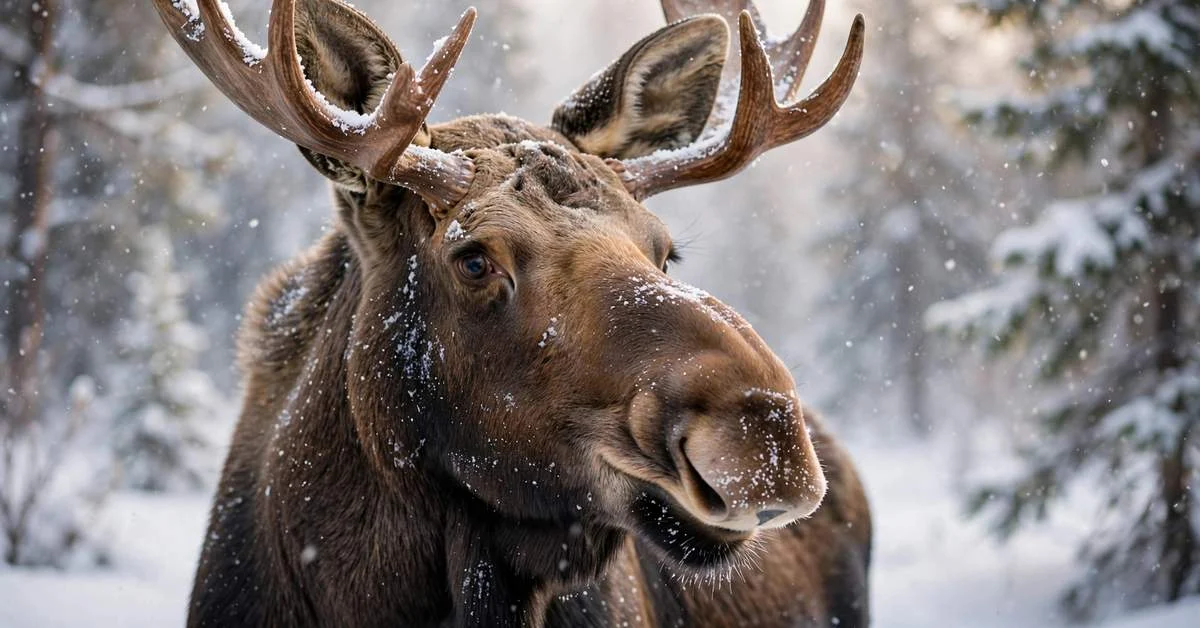
The Other Lives of Moose
Like any good slang word, moose moonlights in several other roles. None of them are as beloved as the gentle giant, but they show up often enough to be worth knowing.
The big amount. Moose can mean a large quantity of something. A moose of a sandwich is a sandwich of serious proportions. A gym buddy might call a heavy lift a hefty moose. The logic is simple: moose are big, so moose means big.
The wild card. Sometimes moose just means a person acting crazy. Did you see him on the dance floor? He is such a moose. Here the word points at uninhibited energy rather than size, the human version of a moose crashing through the brush.
The compliment. In some circles, moose means awesome. That concert was so moose, pure gas from start to finish. This usage is rarer, but it follows the same logic as calling something a beast. When a word already means huge and impressive, awesome is a short step away.
The history lesson. American GIs stationed in Japan after World War Two picked up moose as slang for a girl, borrowed from a Japanese word for young woman. That usage is mostly a historical footnote now, but it shows how far the word has traveled.
How to Use Moose Without Sounding Rude
The rules for moose are simple, but they matter. First, know your audience. With friends, moose is almost always safe and often affectionate. With strangers, it is a gamble, because you do not know which regional meaning lives in their head.
Second, never aim it at appearance unless you are sure of the vibe. The gentle giant meaning is about personality as much as size, and the moment the word sounds like a comment on personal appearance, the warmth drains out of it. Keep it pointed at behavior: the clumsy moment, the silly mistake, the oversized hug.
Third, watch the geography. In Canada and most of the United States, you are fine. In the UK, remember the harsher variant exists. When in doubt, save moose for people who already know you are joking, and let the tone of your voice do the explaining.
Frequently Asked Questions
Is calling someone a moose an insult? Usually not. In North America it is most often affectionate, a playful way to describe a big, goofy, lovable person. Tone and region can change the meaning, so read the room.
Why do Canadians use the word moose so much? The moose is a national symbol of the Canadian wilderness, and Canadians have a long tradition of affectionate, self-deprecating nicknames. Calling someone a moose fits both traditions at once.
Can moose mean something positive? Yes. Beyond the gentle giant, moose can mean awesome or impressive in some circles, as in that concert was so moose. It can also simply mean big, as in a moose of a sandwich.
What is the difference between moose and other big-animal nicknames? Most big-animal nicknames lean negative or aggressive. Moose is unusual because its default setting is warm. A bear is gruff, an elephant is in the way, but a moose is just a lovable oaf.
The Bottom Line on Moose
Moose endures because it fills a gap in the language. Every friend group has a gentle giant, the big person with the soft heart and the clumsy elbows, and moose gives that person a name that feels like a compliment. It is funny without being cruel, descriptive without being precise, and warm in a way that few insults manage.
So the next time someone calls you a moose, check the tone before you react. To be tbh, odds are good you just got called lovable in the most Canadian way possible. Wear it with pride, watch the furniture, and try not to knock over any chairs.

I’m Ryan Hayes. On grammerzones.com, I write clear, no-nonsense guides to slang and everyday expressions. So the next time a word confuses you, you’ll find the answer here.