
Macizo is Spanish slang for solid, strong, or impressively built. It can praise a muscular body, a gorgeous person, or even a great party, but the compliment carries an edge. Who says it, how they say it, and who hears it decide if it lands as admiration or something pushier.
The word itself is old and respectable. It comes from the Latin idea of solid, dense matter, the opposite of hollow. Slang took that physical meaning and ran with it, stretching solid into a compliment for bodies, looks, and experiences. This is the story of how a geology word became gym talk, and why a compliment about being solid is never just about being solid.
From Stone to Slang: What Macizo Literally Means
Before it was slang, macizo was a straightforward adjective meaning solid, dense, or compact. A mesa maciza is a solid wood table, the kind with no hollow parts. Geologists use el macizo for a massif, a compact mountain formation. Gardeners even use macizos for dense flower beds. The core idea never changes: packed tight, built to last, nothing flimsy about it.
That physical sense is the engine of the slang. When something is described as macizo in everyday speech, the speaker is borrowing the feeling of stone and timber. It suggests weight, presence, and reliability. A solid argument can be un argumento macizo. A well-built plan feels macizo. The word carries a compliment inside its dictionary definition, which is why slang adopted it so easily.
This is worth knowing because it explains the range of the word. English compliments like cool or nice are vague. Macizo is specific. It always drags a little of its literal meaning along, a sense of density and substance. When someone calls a party maciza, they are not just saying it was fun. They are saying it was packed, intense, and full.
The Gym Definition: A Body Built Like a Wall
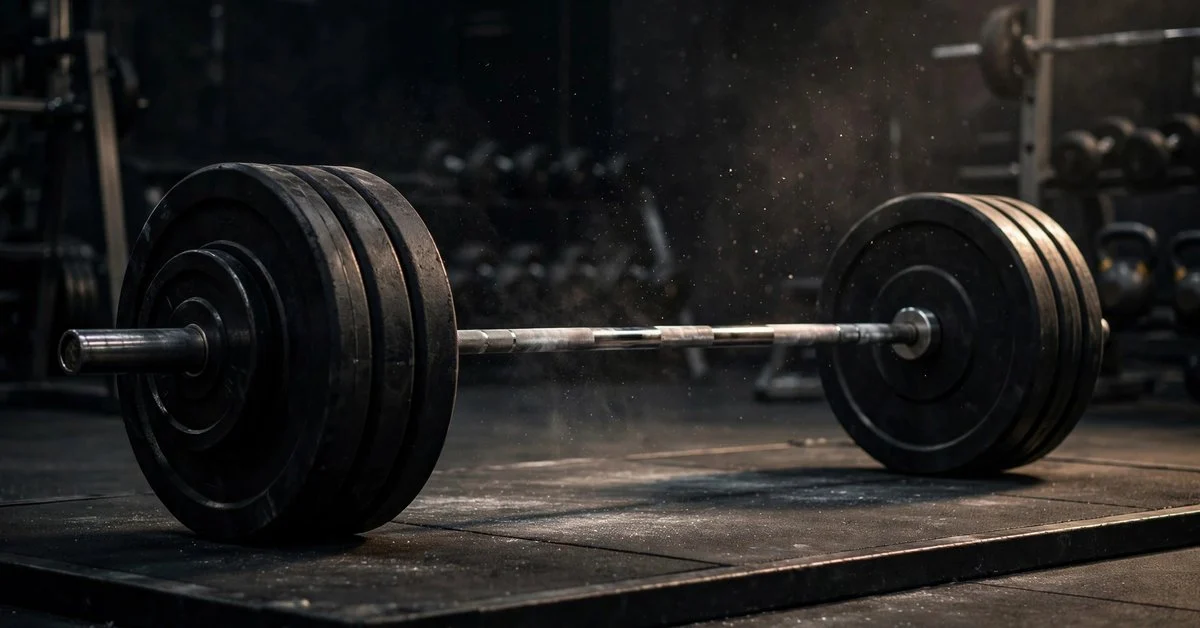
The most common slang use of macizo is about bodies. Ese vato está macizo means that guy is built, muscular in a thick, powerful way rather than a lean one. It is the word for the friend who fills out a shirt, the lifter with tree-trunk legs, the boxer with a heavy frame. In gym culture across Mexico and much of Latin America, it is high praise.
Notice what it does not mean. It does not mean skinny-fit or shredded. Macizo implies mass. A marathon runner is not macizo. A powerlifter is. The word celebrates a particular ideal, strength you can see, and it shows how body slang sorts physiques into categories the way car slang sorts engines. It is descriptive, but the description is always a judgment too.
This is also where the edge starts to show. Praising a body as solid sounds positive, and often it is, but it also reduces a person to their build. Context does the heavy lifting. Between gym buddies, está macizo is respect. Said about a stranger across the room, it can feel like being sized up. The word does not change. The situation does.
The Compliment With an Edge
Macizo has a feminine form, maciza, and that is where the compliment gets complicated. Está maciza can mean she is gorgeous, and it is used exactly that way, admiringly, in songs, captions, and conversation. But describing a woman as solid lands differently than describing a man that way. For men, it reads as strong. For women, it can read as a comment on curves and body shape, which is why some women love hearing it and others find it objectifying.
The same edge appears when macizo describes things instead of people. La fiesta estuvo maciza, the party was amazing, is pure praise with no downside. Esa película estuvo maciza, that movie was awesome, works the same way. Nobody feels reduced when a movie gets called solid. The risk lives only in the personal use, and mostly in the gendered one.
This split is what makes macizo interesting. Most slang compliments are either clean or crude. Macizo sits on the line, genuinely admiring and genuinely loaded at the same time. It belongs to the same family as hyped-up praise like glazing, except the hype here is physical. It says you look powerful, and it leaves the listener to decide how that feels.
Macizo vs Fuerte vs Mamado: Picking the Right Word
Spanish has several words for strong, and they are not interchangeable. Fuerte is the neutral, all-purpose strong, a fuerte abrazo, a strong argument, a strong coffee. It works everywhere and offends no one. Macizo is fuerte with a body attached, more physical, more slangy, more of a compliment.
Mamado is the wilder cousin. In Mexican slang it means ripped or jacked, often with a rougher edge, and in some countries it has unrelated vulgar senses, so it is the one to use carefully. If fuerte is the safe choice and mamado is the risky one, macizo is the sweet spot, colorful enough for slang, clean enough for most company.
There is also tuff, the English slang borrowing that overlaps in the tough-and-cool zone. Tuff is about attitude as much as build. Macizo is about mass and presence. A bouncer is macizo. A skateboarder with style is tuff. Mixing them up will not cause disaster, but natives hear the difference.
Body Talk and the Bigger Picture
Macizo lives inside a whole slang vocabulary of bodies. Gym talk, street talk, and social media all have their own terms for builds, and they change fast. The conversation around bodies in slang now stretches from workout praise to cosmetic procedures, the kind of thing people discuss when they talk about the BBL trend. Macizo is one of the older, sturdier entries in that vocabulary, and its literal root, solid, keeps it anchored while trendier terms come and go.
That staying power is the point. Slang usually burns bright and fades. Macizo endures because it is built on a real adjective with a real meaning. You can use it in 2026 the way someone used it in 1996 and be perfectly understood. Few slang terms can say that.
FAQ
Is macizo masculine only? No. Maciza is the feminine form and it is very common, used for women, parties, movies, and anything feminine-coded that deserves the compliment.
Is calling someone macizo offensive? Usually not, especially for men and especially in gym or friend contexts. For women it depends on the relationship and the tone. When in doubt, save it for people who clearly welcome the compliment.
Is macizo Mexican slang or used elsewhere? It is strongest in Mexico and Central America, but the literal adjective exists everywhere Spanish is spoken, so the slang sense travels. Spain uses it less for bodies and more for things.
What is the difference between macizo and fuerte? Fuerte is the general word for strong. Macizo is more physical and more slangy, tied to build, mass, and presence. Think strong versus built.
Can macizo describe things, not just people? Yes. A party, a movie, a concert, or a plan can all be macizo, meaning impressive, intense, or excellent. The objectifying edge only applies to people.
Conclusion
Macizo is a compliment with a foundation, literally. It starts from solid matter, stone and timber, and builds upward into praise for bodies, beauty, and good times. That grounding is why it lasts while other slang fades. It means something real, and everyone can feel the weight of it.
But the edge is part of the meaning too. A word that praises mass will always carry questions about who is being weighed and why. Use macizo the way its best speakers do, with warmth, with respect, and with an eye on the room. Aimed right, it is one of the finest compliments in Spanish slang. Solid, strong, and built different, just like the thing it describes.

I’m Riley Spencer. I track down the latest slang, memes, and viral phrases for grammerzones.com, explaining what they mean and how people actually use them, in plain simple words.