Rust in slang means slow decline. It describes skills, people, or things that have faded the way metal fades when it sits in the rain. When someone calls you rusty, they mean you are not as sharp as you used to be.
The word borrows the whole life story of corrosion. Shiny metal turns rough and flaky when nobody takes care of it, and slang uses that picture for everything from basketball jump shots to rap verses. Rusty is the label for lost shine.
This guide follows the decay from start to finish. You will see where the metaphor comes from, how people use it, and how to shake the rust off when it lands on you.
The Metal on the Tool: Where the Word Starts
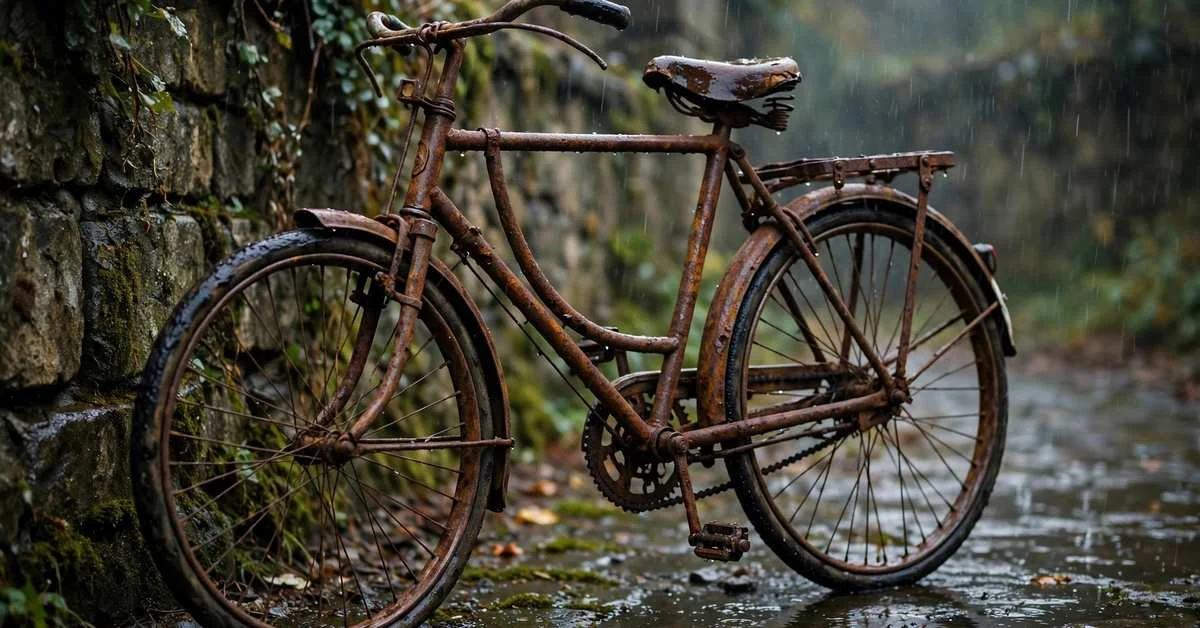
Real rust is simple. Iron meets water and air, and the surface starts to corrode. The tool still looks like a tool, but it does not cut the way it used to. Leave it alone long enough and the damage goes deeper than the surface.
That slow, visible decay made rust the perfect picture for decline. The metal does not break in one moment. It fades a little every day, and one morning you notice it is not the same tool anymore. Slang grabbed that idea and ran with it.
The word rusty as a description of people goes back centuries. Writers used it for minds dulled by idleness long before it became everyday speech. The core image never changed: something good, left alone, losing its edge.
The Skill in the Drawer: Rusty as Out of Practice
The most common use of rusty is about skills. A basketball player who has not touched a ball all summer looks rusty in the first week of practice. The muscle memory is still there, but the timing is off and the shots clank.
Gamers use it the same way. Come back to a competitive game after a month away and your aim feels rusty. The map knowledge is buried, the reflexes lag, and teammates notice. Nobody means it as a permanent label. Rusty is a temporary state, and practice polishes it off.
Musicians know the feeling too. A guitarist who has not played in weeks finds the fingers stiff and the transitions sloppy. The songs are still in the head, but the hands need a few days to catch up. That gap between knowing and doing is exactly what rusty describes.
Even languages go rusty. Someone who spoke fluent Spanish in school but has not used it in five years finds the words slow to come. The grammar hides in a corner of the brain and takes coaxing to return. A rusty rapper sounds nothing like his old self. The flow drags, the punchlines land flat, and fans say he has lost his gas.
The Shine That Fades: Rusty as Outdated
Rusty also means outdated. A phone from five years ago feels rusty next to the newest model. The apps still open, but everything crawls, and the camera looks dull by current standards. The device did not break. The world just moved past it.
People get the label too, usually unfairly. Call a coworker rusty and you are saying their methods belong to another era. They still print things out. They still ask for help with basic software. The word stings because it frames them as a relic, something the present has started to corrode.
Fashion works the same way. A trend that ruled three summers ago looks rusty now. The clothes still exist, but the shine is gone, and wearing them signals that you stopped paying attention. Trends rust fast, and the corrosion shows in public.
This is the harsher side of the word. Rusty as out of practice is forgiving. Rusty as outdated is a judgment, and it lands harder because it suggests the person chose to stop changing.
The Decay Calendar: Five Stages of Going Rusty
The slow part of slow decline matters. Rust never arrives all at once, and neither does the slang version. Here is how the corrosion usually runs.
Stage one: the pause. You stop doing the thing. A break starts, maybe for rest, maybe for life getting busy. Nothing feels wrong yet. The skill sits in the drawer, waiting.
Stage two: the first wobble. You try again and something feels off. The timing slips. The first attempt is clumsy, and you laugh it off. Everyone has bad days, you tell yourself.
Stage three: the pattern. The wobble repeats. It is not one bad day anymore. The decline has a shape now, and other people start to notice. This is usually when the word rusty first appears.
Stage four: the label sticks. Rusty becomes the default description. People lower their expectations. The label is comfortable, which makes it dangerous, because comfort removes the pressure to fix anything.
Stage five: the polish or the pile. This is the fork. Either you put in the work and the rust comes off, or you let it sit and the skill joins the pile of things you used to do. Most people reach this stage without noticing they are in it.
Rusty in the Wild: Real Uses
In sports commentary, rusty is a staple. Analysts say a team looks rusty after a long break between games. The passes miss by inches. The defense reacts a half step late. Give them a week, the analysts add, and the rust will be gone.
At work, people use it as a soft confession. Starting a new project in a language you have not used in years, you warn the team that you are a little rusty. The word does social work here. It lowers expectations before you begin, and it buys patience.
Between friends, rusty is gentle teasing. Miss an easy shot and your friend grins and says you are rusty. The joke only works because everyone knows rust comes off. Nobody teases a broken tool. They tease a tool that needs a wipe.
Nobody stays sharp forever. When the shine fades and the skills slow down, friends say you have gone rusty, and tbh, it happens to everyone. The word is honest about decline, which is why it survives.

Rusty vs Old: One Small Difference
Rusty is not the same as old. Old is a fact about time. Rusty is a story about neglect. A twenty year old bike that has been ridden daily is old but not rusty. A two year old bike left in the rain is rusty but not old.
The difference matters because rust can be reversed. Old cannot. Polish the bike, oil the chain, and the rusty one rides again. That promise of recovery is built into the slang. Call someone rusty and you are saying they could be sharp again with effort.
Rusty is also not the same as bad. A bad player was never good. A rusty player was good and slipped. The word carries a memory of better days, which makes it kinder than most insults and more painful than most compliments.
Think of rusty as the opposite of stunting. Stunting is showing off what you have right now. Rusty is what happens when the showing off stops and the practice stops with it. One is a performance, the other is the quiet bill that arrives later.
How to Shake the Rust Off
The fix is boring, which is why it works. Do the thing again, badly at first, and keep doing it. The first week back is ugly. The second week is better. By the third week, people stop saying rusty and start saying you are back.
Start smaller than your pride wants. A rusty runner does not attempt a marathon on day one. Short runs rebuild the habit without rebuilding the injury. The goal is repetition, not heroics.
Ask for feedback early. Rust hides in blind spots, and other people see your wobble before you do. A coach, a friend, or a teammate can point at the exact spot where the corrosion sits. Then you know where to polish.
Unlike yolo, which celebrates the moment, rusty mourns it. The cure is to make new moments. Every rep is a small act of maintenance, and maintenance is the only thing rust cannot survive.
FAQs
Is rusty an insult? It depends on the delivery. Between friends it is light teasing. From a stranger or a boss it can sting, because it judges your effort. Context decides the weight.
Can a person be rusty, or only skills? Both. People say my Spanish is rusty, which is about the skill. They also say he has gotten rusty, which is about the person. The meaning travels easily.
What is the opposite of rusty? Sharp, locked in, or warmed up. In sports talk, a player who has shaken the rust off is said to be in form. The corrosion metaphor runs both ways.
How long does it take to stop being rusty? There is no fixed timer. A week off needs a few days. A year off needs a few weeks. The pattern holds: the longer the pause, the longer the polish.
Conclusion
Rust is slow decline made visible, and that is why the slang sticks. It names the exact feeling of watching something good fade a little every day. The metal, the skill, the trend, all of them corrode the same way.
But rust is also the most hopeful insult in the language. It carries a promise inside it: what corroded can be polished. The tool in the rain is not a lost tool. It is a tool waiting for someone to pick it up, wipe it down, and put it back to work. Shake off the rust, and the shine comes back.

I’m Ryan Hayes. On grammerzones.com, I write clear, no-nonsense guides to slang and everyday expressions. So the next time a word confuses you, you’ll find the answer here.