
Buttercup slang is a sweet term of endearment for someone you like, though it can also carry a playful sting. It is one of those rare nicknames that can warm up a room or gently poke fun at it, and the tone of voice does all the deciding.
Behind the word sits a small yellow flower, more than a century of affection, and a long career in movies, songs, and group chats. This is the full story of buttercup: where it came from, the three very different things it can mean, and how to read it when someone drops it on you.
The Flower Behind the Word
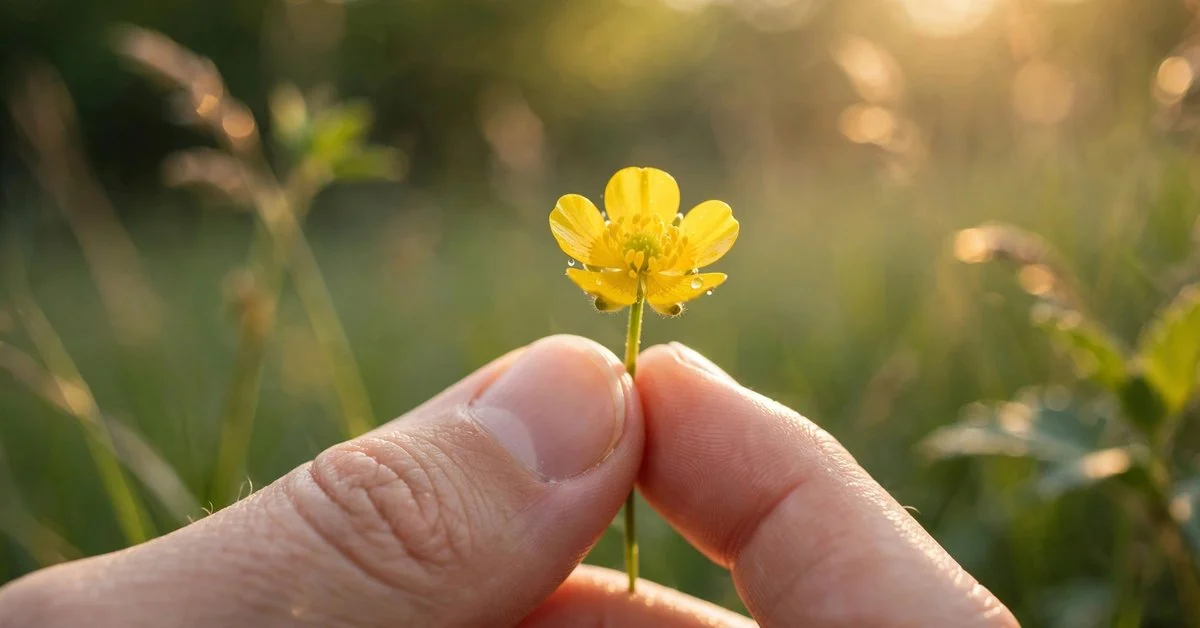
Every meaning of buttercup starts with the flower. Buttercups are small, bright yellow blooms that pop up in fields and gardens, and for centuries they have stood for cheerfulness, innocence, and warmth. When people needed a word that felt soft and sunny, the flower was an easy pick.
That is exactly what happened. According to Merriam-Webster, buttercup has worked as a term of endearment since the late 1800s, which makes it one of the older pet names still in daily use. It grew out of the same tradition as sweetheart and darling: romantic partners, parents, and grandparents reaching for a word that sounded like care.
The flower also explains why the word never sounds harsh. Even when buttercup is used to tease, the sweetness of the image softens the blow. Nobody hears buttercup and pictures something cold. The word carries its own sugar coating, which is exactly why people keep using it.
Door One: The Genuine Sweetheart
The most common use of buttercup is pure affection. Partners call each other buttercup, parents call their kids buttercup, and plenty of pets answer to it too. In this mode, the word means you are loved, you are precious, and someone is happy you exist.
It sits in the same family as hun, another warm little nickname people use for friends and loved ones. Both words do the same job: they turn a normal sentence into a small hug. The difference is mostly flavor. Hun feels modern and casual, while buttercup feels old-fashioned and tender, like something a grandmother would say.
What makes this version land is history. Buttercup hits hardest between people who already share trust. A partner saying it after a long day means comfort. A parent saying it to a child means safety. The word borrows its power from the relationship, not from the dictionary.
Door Two: The Playful Poke
Now walk through the second door, where buttercup turns into a tease. This is the version friends use when someone is being dramatic about something small. A friend complains about a light rain ruining their hair, and someone fires back with a grin and a buttercup. The message is clear: relax, you are tougher than this.
This use is not cruel. The laugh is shared, and the person being teased is usually in on the joke. It works because the word itself is so gentle. Calling someone a buttercup as a tease is like tapping them with a pillow. The softness of the word keeps the tease friendly.
You will hear this version a lot in close friend groups, where teasing is a love language. It is the verbal equivalent of a shove on the shoulder. If everyone is laughing, it is door two.
Door Three: The Sweet-Looking Jab
The third door is where the sweetness turns sharp. Sometimes buttercup is used to suggest that someone is soft, overly sensitive, or lacking backbone. In this mode, the word sounds like a compliment but acts like a judgment.
This edge shows up most when the tone is flat or mocking rather than warm. The same sentence that sounds loving from a partner can sound dismissive from a stranger. When the sweetness feels sus, trust that feeling. The word is doing quiet work under its sunny surface.
Some slang guides note that in masculine use, buttercup can imply a lack of confidence or toughness. That reading is real, but it is never automatic. Context decides. A teammate calling a rookie buttercup after a hard practice might be hazing. A coach using it might be motivating. The word is a mirror for the speaker, not a label for the target.
Buttercup on Screen and in Song
Pop culture gave buttercup most of its modern fame. The Princess Bride made Buttercup a heroine, and the name became shorthand for classic beauty and charm. A generation grew up hearing it as the ultimate romantic nickname.
Then The Powerpuff Girls flipped the script. Their Buttercup is the tough, rough-and-tumble sister, which turned the name into an ironic joke. Calling a fierce friend buttercup suddenly meant the opposite of soft. That twist is a big reason the word survived into internet culture: it can mean two things at once.
The greeting what is up, buttercup has floated around since the 1960s, picking up steam in 1970s and 1980s movies and TV shows. It fills the same spot in a conversation as wyd, but with a hug built in. It says hello and you matter in a single breath.
There is also the phrase butter up buttercup, which means to flatter someone to win their favor. It plays on butter up, an old expression for sweet-talking. If someone is buttering up buttercup, they are laying the compliments on thick, usually because they want something.
How to Read It When Someone Says It
So someone just called you buttercup. Which door are you standing in? Check three things and you will know in seconds.
First, check the relationship. From a partner, a parent, or a best friend, it is almost always door one: genuine affection. From a rival or a stranger, lean toward door three.
Second, check the tone. Warm and soft means love. Grinning and loud means teasing. Flat and slow means judgment. And tbh, the tone does most of the talking here. The word itself barely changes; the voice around it changes everything.
Third, check the setting. In private, buttercup is usually tender. In front of a crowd, it leans toward performance, which can be either a playful roast or a real dig. If you are unsure, smile and watch what happens next. The follow-up sentence almost always gives it away.
As for how to reply, match the energy. Return the warmth if it was warm. Laugh along if it was a tease. And if it was a jab, you now know exactly what it meant, which is its own kind of power.
Frequently Asked Questions
Is buttercup a compliment?
Usually yes. In most cases it is a warm term of endearment. But the same word can tease or even dismiss, so the tone and the relationship decide the real meaning.
Can guys be called buttercup?
Yes, and it happens often. Between friends it is usually a playful tease. From a partner it is usually pure affection. The gender of the person matters far less than the intent of the speaker.
What does what is up, buttercup mean?
It is a playful and affectionate greeting, basically a warmer way of asking how someone is doing. It has been around since the 1960s and still shows up in movies, shows, and everyday chats.
Is buttercup ever actually mean?
It can be, when it is used to call someone soft or overly sensitive. But even then, the word keeps its sunny sound. The meanness lives in the delivery, not in the letters.
Conclusion
Buttercup is really three nicknames wearing one sunny disguise. Behind door one, it is a genuine term of endearment with roots going back to the late 1800s, a word people save for those they love. Behind door two, it is a friendly tease, the verbal version of a shove on the shoulder. Behind door three, it is a sweet-looking jab, a way to call someone soft without raising your voice.
What makes the word special is that it never stops sounding kind, no matter which door it walks through. That is the flower talking. A buttercup is bright and harmless, and the nickname borrowed that glow for every use it ever found.
So the next time someone calls you buttercup, do not just hear the word. Check the relationship, listen to the tone, and notice the setting. Then you will know exactly which door you just walked through, and you will know exactly how to walk back out.

I’m Natalie Rivera. I write about internet slang, texting lingo, and modern phrases on grammerzones.com, breaking confusing online language into simple, clear meanings everyone can understand.