
Chamba means work or a job in Mexican and Latin American slang. It is the informal cousin of trabajo, the word you reach for when work feels like a grind, a gig, or a hustle rather than a career. Saying tengo mucha chamba hits different from saying tengo mucho trabajo. Same grammar, completely different flavor. One sounds like a status update. The other sounds like real life. This guide covers where chamba came from, why it beats trabajo in casual speech, the hustle baked into it, and the wild regional twists, including the country where it means something else entirely.
The Chamber of Commerce Story
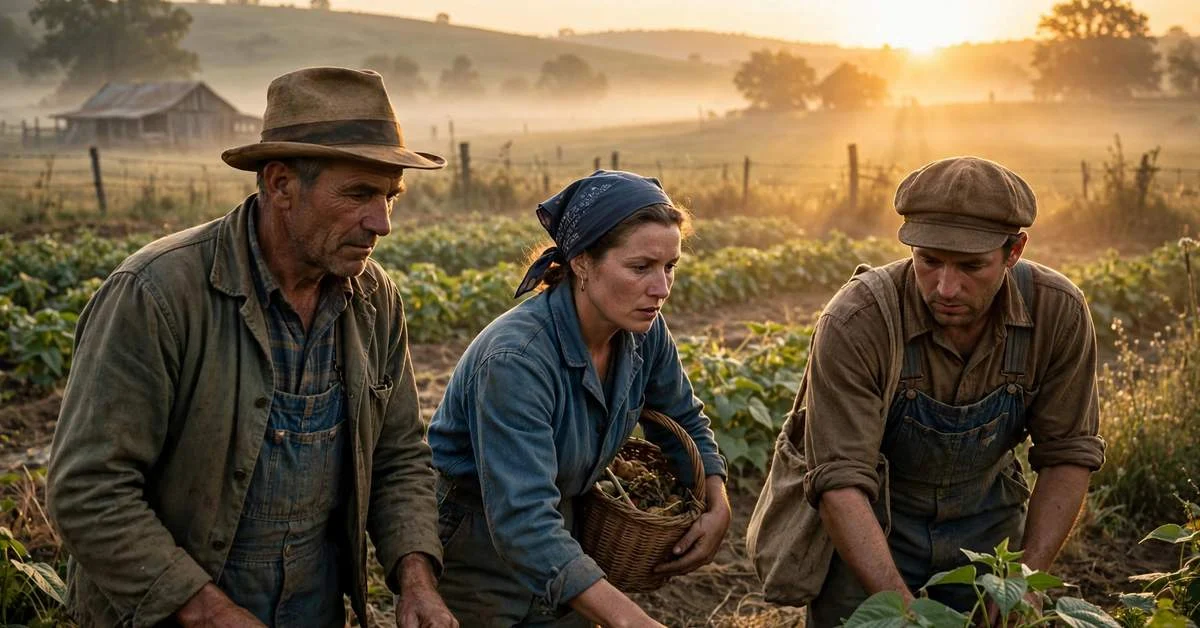
The most told origin story starts in the 1940s with the bracero program. Mexican workers crossed into the United States for farm labor, and when their contracts ended, they had to visit the Chamber of Commerce office to renew their work permits. Say Chamber of Commerce fast, in a tired voice, after a long day in the fields, and it melts into something like chamba.
Over time, workers started saying voy a la chamba, meaning I am going to the Chamber, which really meant I am going to deal with work paperwork. Eventually the office fell out of the phrase and only the work part stayed. La chamba became the work itself.
Some language experts argue the word is older than that, pointing to possible Old Portuguese roots that traveled to Latin America centuries earlier. The Royal Spanish Academy now accepts chamba as a legitimate word for employment and occupation across Mexico, Central America, Ecuador, Venezuela, and Colombia. Either way, the bracero story is the one people love telling, and it fits the word perfectly. Chamba was born in the world of hard, physical, migrant labor, and it never forgot it.
What Chamba Means Today
Today chamba simply means work or a job, but always in casual speech. Nobody writes chamba on a resume. Nobody hears it in a board meeting. It lives in texts, in break rooms, in the back of pickup trucks, in group chats at midnight.
The word is feminine, la chamba, with the plural las chambas. The verb form is chambear, to work, and a chambeador is a worker, usually said with respect. When someone calls you a chambeador, they mean you put in real effort. It is a badge of honor, not an insult.
Chamba covers all kinds of work, from office jobs to construction to side gigs. What unites them is the tone. Chamba is work talked about honestly, without corporate polish. It is the word for the daily grind as people actually experience it.
Chamba vs Trabajo: Why Your Word Choice Matters
Spanish learners often ask why both words exist when they mean the same thing. The answer is social, not grammatical. Trabajo is neutral and correct everywhere. Chamba is warm, tired, and real.
Compare the two in action. Tengo mucho trabajo sounds like something you would tell your boss. Tengo mucha chamba sounds like something you would tell your cousin, probably followed by a sigh and a laugh. The first is a fact. The second is a feeling. And TBH, most people reach for chamba when they are being real about the grind.
Chamba also leans informal in a second way. It often hints at gig work, odd jobs, or hustle-style earning rather than a salaried position. A lawyer might have trabajo. A street vendor, a delivery driver, or a freelancer has chamba. The word carries the texture of work that is earned day by day, which is exactly why people love it.
The Hustle Baked Into the Word
Here is what separates chamba from a plain synonym. The word never fully lost its bracero-era association with grinding. To say chamba is to nod at effort. It implies sweat, early mornings, and making things happen with what you have.
That is why chambear feels more active than trabajar. Trabajar is what you do from nine to five. Chambear is what you do when the car breaks down and you still make your shift, when you pick up a weekend gig to cover rent, when you figure it out. One is employment. The other is hustle.
The pride runs deep. In working-class neighborhoods across Mexico, being known as a good chambeador is high praise. It means you show up, you deliver, and you do not complain. Parents say it about their kids with real warmth. It is one of the few slang words for work that dignifies the worker instead of mocking the job.
One Word, Many Countries: The Latin American Tour
Chamba belongs to Mexico first, but it travels well. It is everyday speech in Peru, Ecuador, Venezuela, Honduras, and much of Central America. Cross a border, though, and the local word for work changes fast.
In Argentina, workers say laburo. In Spain, it is curro. Chileans say pega, a word with its own rough charm. Costa Ricans and Guatemalans say brete. In Cuba, work is pincha. Guatemalans also use chance for a gig or opportunity. Colombians say camello for work, a whole separate animal of a word.
This map is useful for travelers. Walk into a bar in Buenos Aires talking about your chamba and people will understand you, but you will sound Mexican. Nothing wrong with that, just know the local word earns you a smile. Language is a passport, and every country stamps it differently.
The Plot Twist: In Colombia, Chamba Can Mean a Scar
Now for the curveball. In Colombia, chamba has a second, completely unrelated meaning, a scar. Marcos tiene una enorme chamba en la cara means Marcos has a big scar on his face, not that he has a big job on his face.
Context almost always clears it up. Nobody hears about a job interview and pictures a scar. But the double meaning is a perfect example of how slang drifts across borders. A word leaves home with one meaning and picks up a new one down the road, like a traveler collecting stories.
It is also a good reminder to stay humble when using slang abroad. The word that makes you sound local in Mexico City might get you a confused look in Bogotá. When in doubt, listen first, then talk. The locals will teach you faster than any guide.
How to Use Chamba Without Sounding Like a Textbook
Use it in casual speech only. With friends, family, coworkers you are close to, chamba sounds natural and warm. In a job interview, a formal email, or a legal document, stick with trabajo. Mixing them up is the fastest way to sound off.
In texts, chamba is a workhorse. Estoy en la chamba rn means I am at work right now. Tengo mucha chamba esta semana means I have a ton of work this week. Running late? Workers text things like voy otw a la chamba, mixing Spanish slang with the OTW abbreviation everyone already knows.
Watch the connotation with money talk. Because chamba leans toward informal and gig work, describing a corporate executive role as chamba can sound slightly off, even funny. It is not wrong, just mismatched, like calling a suit an outfit. Save chamba for the grind, and let trabajo handle the boardroom.
One more note. Cash-in-hand gigs and under-the-table jobs sometimes get discussed with chamba too, and that world can look a little sus from the outside. The word itself is innocent, but keep your street smarts on when the job offer sounds too easy.
Frequently Asked Questions
Is chamba rude or offensive? Not at all. It is informal, not rude. It is the kind of word your grandmother might use while cooking, as long as she is not writing a formal letter at the same time.
What is the difference between chamba and trabajo? Trabajo is the standard, neutral word for work. Chamba is the slang version with warmth and hustle baked in. Use trabajo when it matters, chamba when it is real talk.
Where does the word chamba come from? The popular story traces it to Mexican braceros in the 1940s saying Chamber of Commerce as chamba when renewing work permits. Some experts suggest older Portuguese roots, but the bracero story is the beloved one.
Do people say chamba in Spain? Rarely. Spaniards say curro for the same idea. Chamba is a Latin American word, strongest in Mexico, Peru, Ecuador, Venezuela, and Central America.
What does chambear mean? It is the verb form, meaning to work, usually with the grind connotation. Estoy chambeando means I am working, said the way someone covered in dust would say it.
Conclusion
Chamba is more than a synonym for work. It is a whole attitude toward it. Born, by the most loved account, in the mouths of tired braceros shortening Chamber of Commerce, it grew into the word millions use for the daily grind. It dignifies effort without dressing it up. It separates the real talk of tengo mucha chamba from the polished tengo mucho trabajo. And it reminds us that every Spanish-speaking country renamed work in its own image, from laburo to curro to pega. So the next time someone asks about your job, try the honest version. Tell them about your chamba. They will hear the hustle in it.

I’m Mason Reed, a language and communication writer at GrammerZones.com. I specialize in explaining English meanings, grammar concepts, internet slang, texting abbreviations & social media terms in a clear and practical way. My goal is to provide accurate, easy-to-understand content that helps readers confidently navigate modern language and online communication.