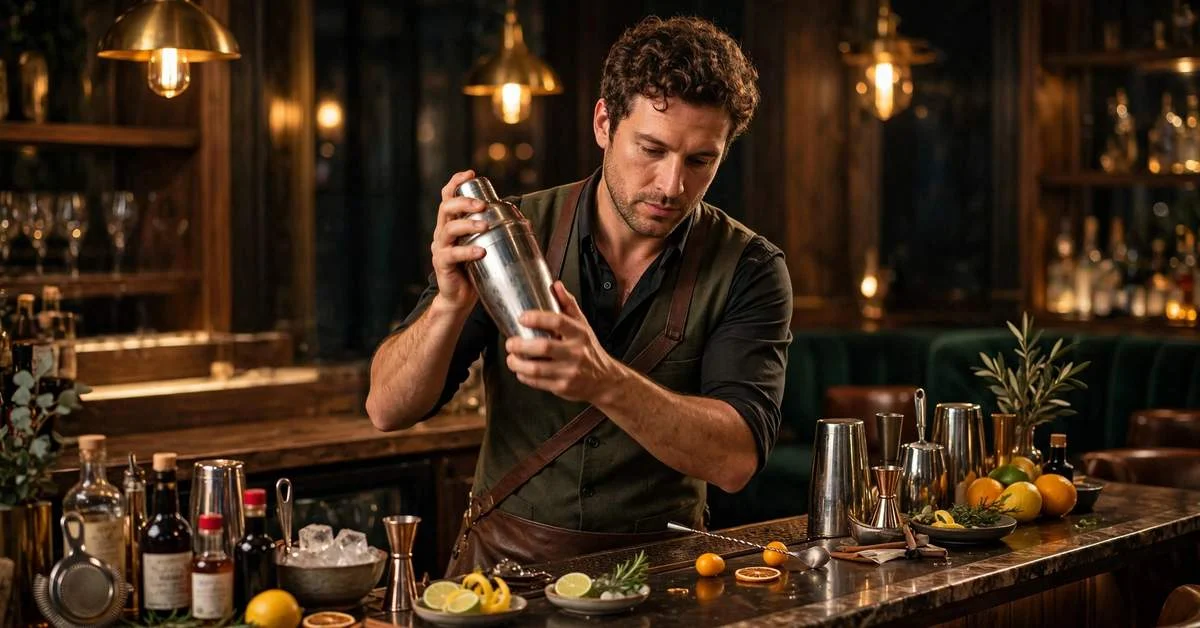
Cocktail means a mixed drink built from a spirit plus something sweet, something sour or bitter, and usually ice. In everyday slang the word reaches past the glass. It can describe a whole social world, from the cocktail party to the cocktail hour, where the drink is really a signal that the evening is for talking, laughing, and slowing down. Order one at a bar and the bartender hears a request for something stirred or shaken, garnished, and meant to be sipped.
That simple meaning hides a strange and messy history. The word showed up in print long before anyone agreed on what it meant, and the theories about where it came from range from horse racing to French egg cups. Follow the story and you get a tour of American social life, from rough frontier bars to glittering rooftop parties.
Before the Glass: A Horse With a Docked Tail
The word cocktail did not start with drinks at all. In the 1700s it described a horse with a docked or shortened tail, a mark that usually meant the animal was of mixed breed rather than a pure thoroughbred. Those horses belonged to everyday riders, not rich owners, and the word carried a hint of something mixed and a little lowborn.
That idea of mixing is probably the bridge to the drink. A cocktail is a mixed drink the way a cock-tailed horse was a mixed horse. The image even fits the feeling: a docked tail stands up perky and alert, and a good cocktail is supposed to perk you up too. Language experts call the exact link obscure, but the horse theory is the oldest and best supported one.
Other theories float around, and each one has fans. One says the word comes from the French coquetier, meaning egg cup. The story goes that an apothecary in New Orleans served his guests a mix of brandy, sugar, water, and bitters in an egg cup, and English speakers bent the French word into cocktail. Another theory points to bar slang: the last drips from a barrel were called tailings, and a spigot was sometimes called a cock, so the cheap mix of leftover drips became a cocktail. Both stories are fun, and both may hold a grain of truth, but the horse came first in print.
The first recorded use of cocktail for a drink showed up in a London newspaper in 1798. An American newspaper used it in 1803, when a writer noted that he drank a glass of cocktail and found it excellent for the head. Then, on May 13, 1806, a New York editor named Harry Croswell printed the first real definition: a stimulating liquor made of spirits of any kind, sugar, water, and bitters. That four-part recipe is basically the Old Fashioned, which means the oldest cocktail definition still describes a drink you can order tonight.
How the Mixed Drink Became a Social Ritual
A drink becomes slang for a whole evening when the evening starts to revolve around the drink. In the 1800s cocktails lived mostly in bars and saloons. Bartenders like Jerry Thomas, who published the first famous bartending guide in 1862, turned mixing into a craft and gave the drinks names people remembered. But the cocktail was still mostly a barroom thing, not a home thing.
That changed in 1917, when a St. Louis hostess threw what many call the first cocktail party. The idea was simple: invite people over for an hour or two of drinks and light snacks before dinner. It caught on fast because it solved a social problem. A full dinner party took planning and money. A cocktail party took a shaker, some glasses, and good company. The word cocktail started to mean not just the drink but the event itself.
Then came Prohibition, the American ban on alcohol in the 1920s. Bad homemade spirits tasted rough, so people masked the taste with juice, sugar, and soda. Mixing was no longer just craft; it was survival. When the ban ended, the habit stayed, and the cocktail hour became a fixture of adult life. Saying cocktail hour meant the workday was over and the evening belonged to you. That ritual feeling is why the word still sounds relaxed and a little classy, even when the drink is simple.
Television gave the ritual a second life. Shows set in the 1960s ad world made the after-work Old Fashioned look like the height of style, and a new generation of drinkers went looking for the classics. Today the cocktail sits at the center of rooftop bars, wedding receptions, and Friday nights out. The drink is the excuse. The real product is the conversation around it.
The Famous Names on the Menu
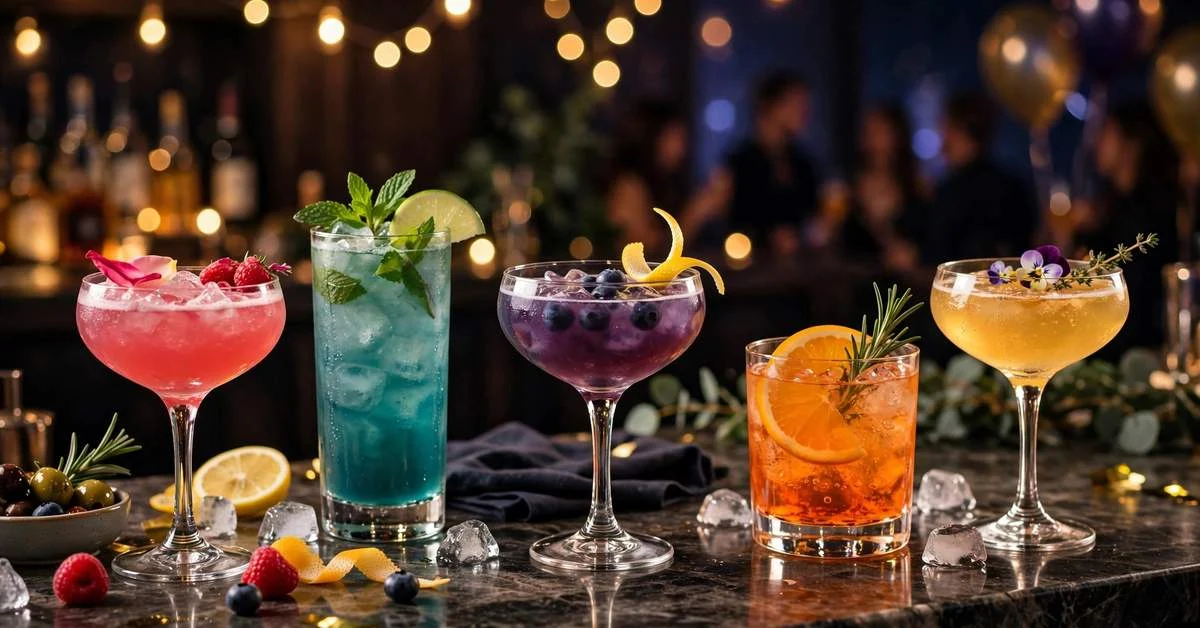
Walk into any serious bar and the menu reads like a hall of fame. Each classic cocktail has a personality, and ordering one says something about you, which is exactly why the names work as slang for whole moods.
The Old Fashioned is the grandparent of them all. Whiskey, sugar, bitters, and a twist of orange peel. It matches the original 1806 definition almost exactly. Order it and you signal that you respect tradition and you do not need anything flashy.
The Martini is the sleek one. Gin or vodka with a whisper of vermouth, served ice cold in its famous V-shaped glass. For decades it was shorthand for sophistication, the drink of spies and executives in movies. Saying someone has a martini personality means cool, sharp, and a little mysterious.
The Margarita is the party starter. Tequila, lime, and orange liqueur, often with a salted rim. It tastes like vacation, and it shows up at celebrations, beach trips, and girls nights out. Nobody orders a margarita to brood alone.
The Mojito is the fresh one. Rum, mint, lime, sugar, and soda water, muddled together over crushed ice. It reads young and lively, the drink of summer patios and loud conversations. Each name is a shortcut, and regulars learn the whole menu like a second language.
How People Use Cocktail in Conversation
You do not need to be a drinker to use the word. It shows up in everyday plans and invitations all the time.
- When someone says cocktail party, they mean a casual evening event with drinks and snacks, not a wild night out. It is the polite middle ground between coffee and a full dinner.
- When friends mention cocktail hour, they usually mean the stretch after work when everyone unwinds. It can be literal drinks or just the idea of the day winding down.
- A cocktail dress is the outfit that matches the event: dressy but not formal, fun but not wild. The drink gave its name to a whole dress code.
- On a menu, cocktail can also mean a non-alcoholic mix. A shrimp cocktail is the famous example, and a fruit cocktail is the old-school dessert cup. The word just means a mix of things served together.
- Texting a friend wyd before a night out and hearing cocktails back means the plan is set: get dressed up, meet at the bar, and stay a while.
The tone stays light. Cocktail is a happy word. It suggests good company, decent lighting, and no rush. Even the bougie edge it sometimes carries is playful, not mean. Nobody says cocktail when they mean trouble.
Cocktail Questions People Actually Ask
What does cocktail mean in slang? At its core it means a mixed alcoholic drink. As slang it stretches to cover the whole social scene around the drink: the party, the hour, the dress code, and the relaxed mood.
Why is a mixed drink called a cocktail? The oldest theory ties it to a horse with a docked tail, a mixed-breed animal, because the drink is also a mix. Other theories point to a French egg cup or to leftover barrel drips. Nobody knows for sure, which is part of the fun.
What is the difference between a cocktail and a mixed drink? Honestly, very little these days. Purists once said a true cocktail had only spirit, sugar, water, and bitters. Modern use treats the two phrases as the same thing, and tbh most bartenders do too.
Is cocktail hour still a thing? Yes, and it is bigger than ever. It just looks different now. It might be a rooftop bar, a home setup with friends, or a video call where everyone mixes something fun. The ritual survived because the need behind it, a clear end to the workday, never went away.
Can cocktail mean something with no alcohol? Yes. Mocktails are the alcohol-free version, and old menu items like shrimp cocktail and fruit cocktail use the word for any tasty mix. If someone offers you a cocktail at a family brunch, ask before you assume. A quick dm to the host saves an awkward moment.
The Drink That Became an Invitation
Cocktail started as bar slang for a four-ingredient drink and grew into shorthand for the good part of the evening. The word carries the horse, the 1806 newspaper, the St. Louis party, Prohibition, and the rooftop bar all inside it. That is a lot of history for seven letters.
What keeps it alive is not the recipe. Recipes change with every generation. What keeps it alive is the promise: slow down, talk to the people next to you, and make the ordinary evening feel a little special. Every time someone says the word, they are really sending an invitation. The glass is just the punctuation.
So the next time you hear it, listen for which meaning is in play. It might be the drink, the party, the hour, or the mood. Odds are it is all four at once, and that is exactly why the word stuck around for more than two hundred years.

I’m Natalie Rivera. I write about internet slang, texting lingo, and modern phrases on grammerzones.com, breaking confusing online language into simple, clear meanings everyone can understand.