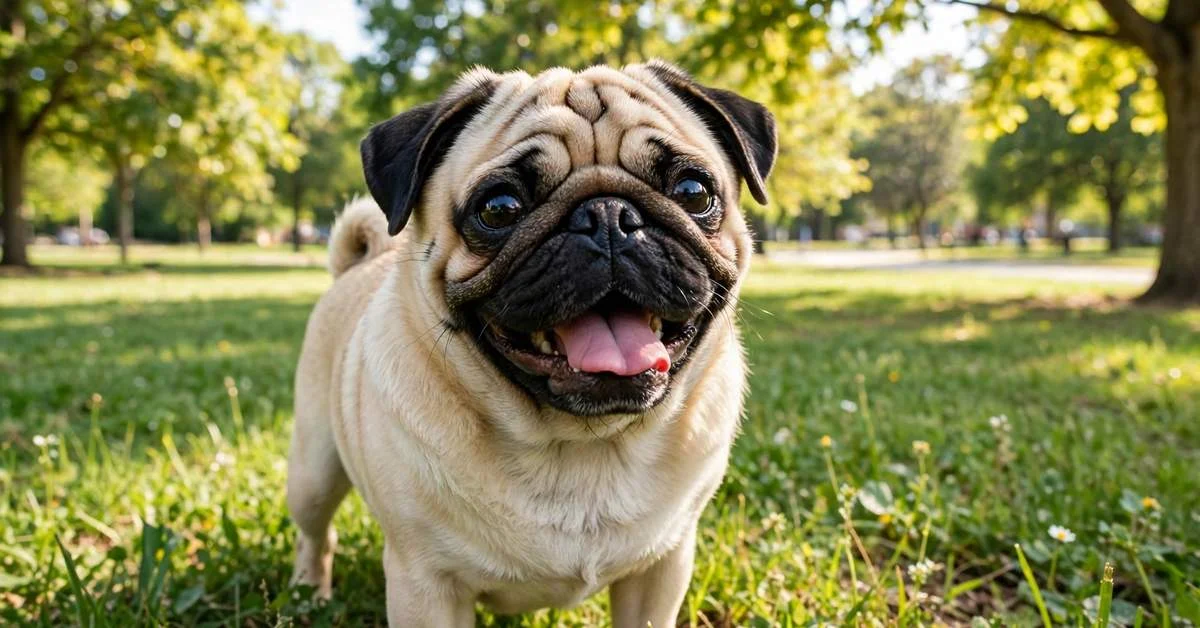
Pug slang usually refers to the small wrinkly dog breed, used as a term of endearment for anything cute and squishy. The word has picked up extra lives along the way. In gaming it stands for pick up game, and online it works as an affectionate nickname. The dog came first, and everything else borrows its charm.
Few words in slang come with a built in face. Pug does. The moment someone says it, you picture the round head, the bulging eyes, the snorting little engine of a dog. That image is why the slang stuck.
The Little Dog With the Big History
The pug is one of the oldest dog breeds on earth. It started in China centuries ago, where it lived as a companion to royalty. From there it traveled to Europe, winning over Dutch nobility and then English aristocrats. This was never a working dog. It was bred for one job: being delightful company.
The look is the whole brand. Flat face, deep wrinkles, curled tail, and a body shaped like a tiny barrel. The old Latin root of the name connects to the word for fist, because the round head supposedly resembled one. True or not, that story fits.
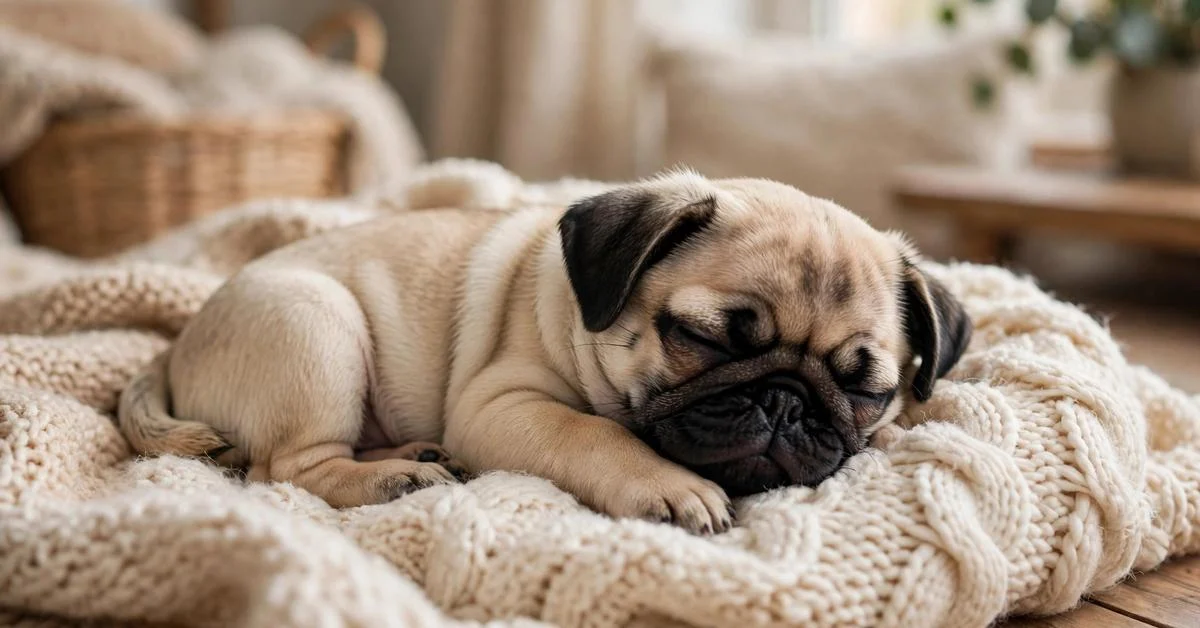
Pugs snore, snort, and wheeze their way through life. They follow their humans from room to room like shadows. They have opinions about dinner and zero opinions about personal space. Every quirk became part of the legend.
Why Pugs Became Meme Royalty
The internet fell in love with pugs early and never fell out. Their faces are naturally expressive in a way cameras love. A pug staring at the camera looks like it is judging you, comforting you, and asking for snacks all at once.
Famous pugs turned the breed into a phenomenon. Social media stars with millions of followers made pug life a whole aesthetic: nap hard, snack harder, love unconditionally. The phrase pug life started showing up on shirts, mugs, and tattoos.
The memes worked because pugs are relatable. They are lazy, dramatic, food obsessed, and completely unbothered by dignity. People saw themselves in the wrinkles. The dog became a mirror with four short legs.
Pug as a Term of Endearment
This is where the slang lives most happily. Calling someone a pug, or your little pug, is affectionate. It means they are cute, a bit round, a bit goofy, and completely lovable.
It shows up between friends, partners, and pet owners who have clearly lost all objectivity about their own dog. The tone is always warm. Nobody calls their enemy a pug. The word carries too much fondness for that.
The endearment stretches to objects too. A chubby car, a squishy pillow, a baby with serious cheeks, all fair game. If it is small, round, and lovable, the pug label fits. The tbh test is simple: if saying it makes everyone smile, you used it right.
PUG in Gaming: The Pick Up Game
Step into a gaming lobby and PUG means something completely different. There it stands for pick up game, a match formed on the spot with whoever is available instead of a planned team.
A PUG is gloriously unpredictable. You might land with a genius or with someone who just installed the game. That randomness is the point. Veterans talk about PUG life the way sailors talk about the sea, with respect and mild trauma.
The term is old, going back to early online multiplayer days. It survives because the need survives. Not everyone has a full squad online at midnight, so the pick up game fills the gap.
When the Word Turns Unkind
Honesty requires mentioning the darker corner. Pug has been used as an insult about looks, comparing someone unfavorably to the wrinkly dog. It is mean spirited, and it says more about the speaker than the target.
The insult version borrows the same features, the flat face and bulging eyes, and twists them cruel. It shows up in schoolyard talk and anonymous comments. It is worth knowing about so you can recognize it, not so you can use it.
The rule is simple. If the pug comment would not make the person smile, do not say it. The affectionate version is one of the sweetest nicknames in slang. Keep it that way.
How to Use Pug Without Being Mean
The safe zone is affection. Use it for people you love, dogs you adore, and things that are objectively adorable. A few natural examples:
- For your dog: The pug is based, he claimed the good couch spot again.
- For a friend: Look at this little pug, napping through the whole movie.
- For the vibe: This cafe gives me serious pug energy. Cozy, round, unbothered. Pure stoke.
- In gaming: Anyone up for a quick PUG before dinner?
Read the room on the insult version. If there is even a small chance it lands wrong, skip it. The world has enough unkind nicknames. Pug is better as a compliment.
FAQ
What does pug mean as slang? Most often it is an affectionate term for the wrinkly dog breed or for anything cute and squishy. In gaming, PUG means pick up game.
Why are pugs so popular in memes? Their expressive faces photograph perfectly, and their lazy dramatic personalities feel relatable. They became one of the internet favorite animals early on.
Is calling someone a pug rude? It depends entirely on tone and relationship. Between friends it is sweet. From a stranger about your looks, it is an insult. Context is everything.
What does PUG stand for in games? Pick up game, a match assembled on the spot with available players rather than a pre made team.
Conclusion
Pug slang means the wrinkly charmer first and everything else second. The dog earned the word through centuries of being excellent company, and the internet turned that affection into a whole vocabulary.
From royal laps in ancient China to meme royalty on your phone screen, the pug has always done the same job. Be small, be round, be completely lovable. The slang just caught up to what the dog always knew.
So call your favorite people your little pugs, queue up a PUG when the squad is offline, and give every wrinkly dog the admiration it deserves. The charmer has earned it.

I’m Mason Reed, a language and communication writer at GrammerZones.com. I specialize in explaining English meanings, grammar concepts, internet slang, texting abbreviations & social media terms in a clear and practical way. My goal is to provide accurate, easy-to-understand content that helps readers confidently navigate modern language and online communication.