Colonel slang meaning is simple: it calls someone the boss, the old-school authority in the room. The word comes from a military rank, but slang gave it a second life. Say it warmly and it lands as respect. Say it flat and it lands as a roast. A huge part of the modern meaning comes from one man in a white suit: Colonel Harland Sanders, the face of KFC. His goatee and string tie turned colonel into a pop culture costume. This article breaks down the rank, the legend, the two tones of the word, and how to use it without starting a fight.
The Rank Behind the Word
Before it was slang, colonel was a serious military title. The rank dates back to around the 16th century, and it still signals leadership, discipline, and command today. English gave it one extra quirk: it is spelled colonel but pronounced kernel. That mismatch alone has fueled jokes for generations.
Slang loves borrowing rank words to describe personalities. Calling someone a general of gossip or a captain of chaos works the same way. The formal image does the heavy lifting. A colonel outranks almost everyone, so calling a friend the colonel paints them as the one in charge. It can be a compliment about natural leadership. It can also be a jab at someone who acts like they outrank the group chat.
That double edge is the whole game. The military meaning never fully leaves the word. Every slang use carries a faint echo of medals, orders, and someone who expects to be obeyed. Context decides if the echo sounds noble or ridiculous.
The Man in the White Suit
No one shaped the slang meaning of colonel more than Harland Sanders. He founded Kentucky Fried Chicken and became its living logo: white suit, black string tie, white goatee, warm grandfather smile. Long after his death, the image kept working. Brands kept re-casting him in ads, each version a little more theatrical than the last.
Online, the Colonel became meme fuel. His portrait shows up in jokes about authority, cooking, and secrets, as in the famous secret blend of herbs and spices. The costume turned into shorthand for a specific flavor of power: cheesy, old-fashioned, and impossible to take fully seriously. When people picture a colonel now, many picture him before they picture an actual officer.
That pop culture weight is why the word feels funny even when it is meant as praise. You cannot say colonel without a flash of fried chicken crossing your mind. The legend ate the rank, and slang has been digesting it ever since.
Respect or Roast: The Two Tones
Tone is everything with this word. Tell a friend they are the colonel of the group project and it reads as trust. You run things, we follow. Drop the same line after someone micromanages the playlist and it reads as a roast. Same word, opposite meaning, and only delivery tells them apart.
In texts and group chats the teasing version shows up most. Someone labels the leftovers, color-codes the calendar, or corrects a tiny detail, and a friend fires back with colonel energy. The message is affectionate and annoyed at once: I respect the order, but relax. Used this way, the word is a pressure valve. It lets the group laugh at the control freak without a real fight.
The respectful version lives in compliments and nicknames. A coach, a team captain, or the friend who always has a plan can wear the title with pride. Nobody minds being called the colonel when the room actually wants a leader. The trouble starts only when the title is claimed but not earned. That gap is where the jokes live, and tbh, most of us have stood on both sides of it.
The Rank Family
Colonel is not the only rank doing slang duty. English speakers hand out military titles like party favors. Someone dramatic becomes a general. Someone chaotic becomes a captain. Someone sneaky becomes a private investigator of gossip. The pattern works because ranks are a ladder everyone understands. Moving a person up or down the ladder says everything about their role in the group.
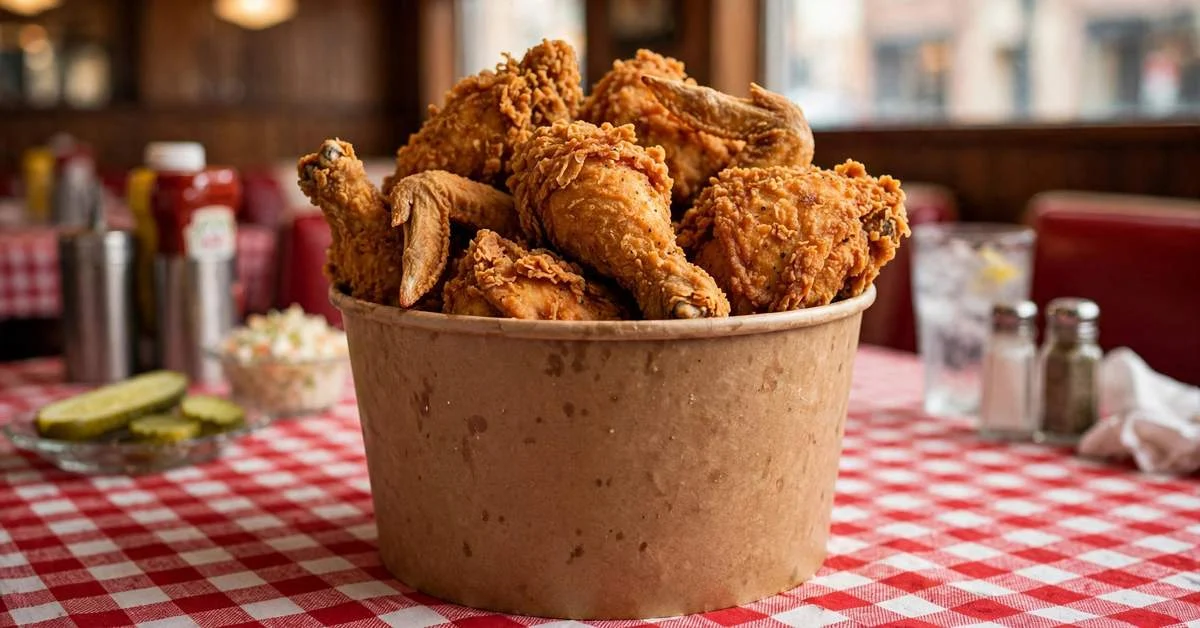
What makes colonel special in this family is the KFC connection. No other rank comes with a mascot, a secret recipe, and a Halloween costume. General and captain stay dignified. Colonel shows up with a bucket of chicken. That absurdity gives the word a warmth the other ranks lack. You can roast a colonel and hug them in the same sentence.
The word also ages well because authority never goes out of style as a joke target. Every generation gets its own control freaks, and every generation needs a word for them. Colonel has survived because it is specific enough to sting and silly enough to forgive. It is the rare insult that comes with a side of fries.
How to Use It Without Starting a Fight
Rule one: know your audience. Colonel lands best with friends who get your sarcasm. With strangers or a sensitive boss, the joke can misfire hard. Nobody wants a performance review that starts with a nickname.
Rule two: aim at the behavior, not the person. Saying stop being a colonel about the seating chart teases the moment. Saying you are such a colonel attacks the identity. The first one gets a laugh. The second one starts a yolo-level bad decision.
Rule three: read the room before you double down. If the first colonel joke lands, you have a running bit. If it lands flat, let it die. Great slang knows when to retreat. The best colonels in any group are the ones who can take the title as well as they give it, and if you are unsure which way it went, idk is always a safe answer.
Frequently Asked Questions
Is colonel a compliment or an insult? Both. It praises real leadership and mocks fake authority. Tone, timing, and your relationship with the person decide which one the listener hears.
Why is it pronounced kernel? The spelling came from French and Italian roots while the pronunciation followed a different path through history. English kept both and never bothered to reconcile them. The mismatch is now part of the charm.
Does colonel always refer to KFC? No, but the association is strong. In food and meme contexts, Colonel Sanders is usually the reference. In leadership contexts, the military rank does the work. Most uses blend a little of both.
Can I call my boss a colonel? Only if your boss has a great sense of humor and you value your job security. With friends, go wild. With authority figures, keep the rank in the group chat.
Conclusion
Colonel traveled a strange road from battlefield to bucket of chicken. It started as a 16th-century rank, picked up a pronunciation nobody can explain, and then met a man in a white suit who turned it into a mascot. Slang took both halves and made something flexible: a word that can crown a leader or roast a control freak, depending on the moment. The secret is the same one behind the famous recipe. A little respect, a little mischief, and perfect timing. Use it warmly with people who get the joke, and the colonel will always land. Use it cold, and you might find yourself saluting alone.

I’m Ryan Hayes. On grammerzones.com, I write clear, no-nonsense guides to slang and everyday expressions. So the next time a word confuses you, you’ll find the answer here.