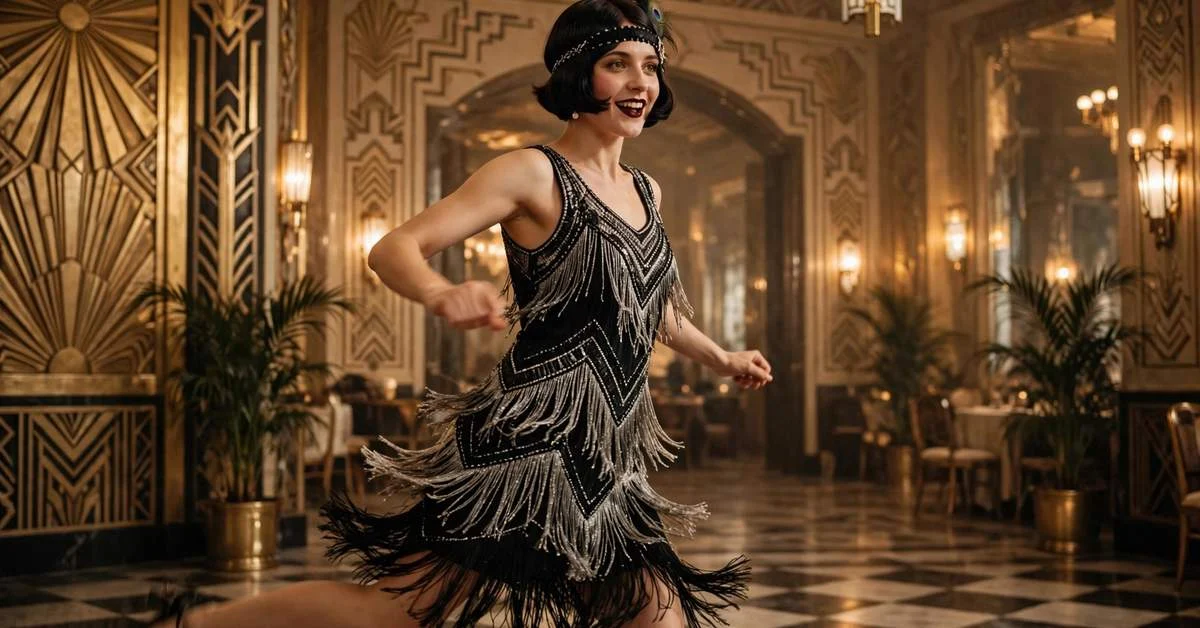
A flapper was a young woman of the 1920s who dressed and behaved in boldly unconventional ways, from bobbed hair and short skirts to smoking and dancing in public. The word became the label for the original rebel girl, a symbol of female independence in the Jazz Age. Picture a crowded dance hall in 1925. The band plays hot jazz. A young woman with a sharp bob haircut dances the Charleston in a knee-length dress, pearls swinging with every step. Older guests stare. Her friends cheer. That image is the flapper in a single frame. But the word carried more than fashion. It stood for a whole generation of women pushing back against strict old rules about how women should look, act, and live. To understand flapper is to understand one of the first true youth rebellions in modern history.
What a Flapper Actually Was
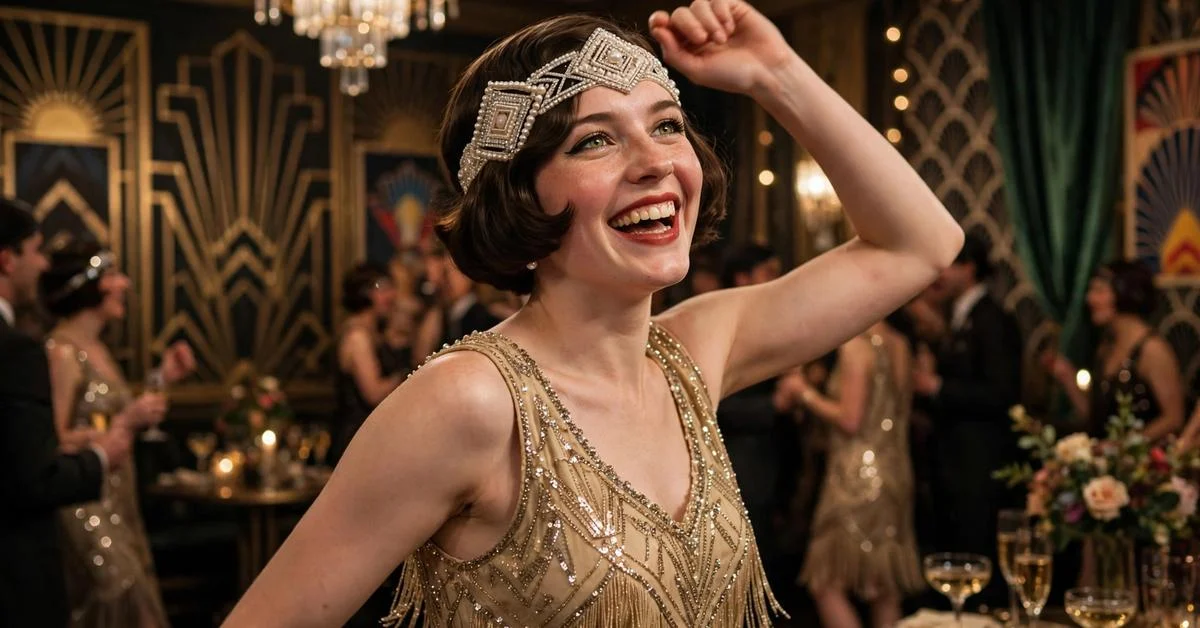
Dictionaries define a flapper as a young woman in the 1920s who flaunted unconventional dress and behavior. That dry definition hides a lively reality. The classic flapper cut her hair into a short bob, a shocking move in an era when long hair marked a respectable woman. She wore drop-waist dresses that ended at the knee, bold rouge and dark lipstick, cloche hats pulled low, and long strings of beads. She listened to jazz, danced all night, and treated the old rules of ladylike behavior as a joke.
The look was a statement. Every bobbed head and raised hemline said the same thing: the old century was over. They were stunting before the word existed, turning sidewalks and dance floors into runways. Fashion was their loudest form of protest, and they wore it daily.
The Rebellion Was the Point
Flappers did far more than change hemlines. They smoked cigarettes in public, something respectable women simply did not do. They drank alcohol openly, even during Prohibition, slipping into speakeasies to hear live jazz. They danced the Charleston and the Black Bottom with an energy that scandalized their parents. They flirted openly, dated more freely, drove automobiles, and took jobs that earlier generations of women had been kept away from.
To the older generation, this looked like pure chaos. What we might now call wildin, they called a crisis of morals. But to the flappers themselves, it was freedom. After the grim years of World War I, young people wanted joy, speed, and noise. The flapper lifestyle answered that hunger with jazz, dancing, and a firm rejection of Victorian modesty.
The Slang Flappers Invented
The Jazz Age came with its own vocabulary, and flappers helped spread it. When something was excellent, it was the bees knees or the cats pajamas. A handsome young man was a sheik, named after the 1921 film hero, and his female match was a sheba. A dull date was a flat tire. A smooth talker who hung around stores trying to impress women was a drugstore cowboy. Nonsense was baloney. A slick ladies man might be called a cake-eater.
This slang did real work. It marked who was in and who was out. Using the right words proved you belonged to the new generation. In that way, flapper slang worked exactly like youth slang does today: a secret code that told the old guard they were not invited to the party.
Where the Word Flapper Came From
The word itself is older than the 1920s. It comes from flap plus the -er ending, first recorded in the 1500s. Nobody agrees on how it landed on young women, but the theories are fun. One says it described young birds flapping their wings as they learned to fly, a perfect image for girls testing their freedom. Another traces it to old British slang for a flighty young girl. A third points to galoshes flapping open on the feet of careless girls. There is also a theory about hair: a flapper was a girl whose hair had not yet been put up in the adult style, flapping loose around her shoulders.
Whatever the true root, the word found its moment in the 1920s and stuck to the new woman like rouge to a cheek.
Why the 1920s Made Flappers Possible
Flappers did not appear from nowhere. The world had just survived World War I, and the old order felt broken. In 1920, American women won the right to vote with the 19th Amendment, a huge shift in what women were allowed to do. The economy boomed. Jazz exploded out of New Orleans and into every city. Prohibition banned alcohol but made drinking exciting and rebellious. Cars gave young people freedom to roam. More women worked outside the home and earned their own money.
Put all of that together and the flapper stops looking strange. She looks inevitable. A generation with money, music, mobility, and new rights was never going to dress like their grandmothers.
The Backlash Was Loud
Not everyone celebrated. Preachers warned from pulpits. Newspapers ran worried stories. The secretary of labor publicly criticized the flippancy of the cigarette smoking, cocktail drinking flapper. A Harvard psychologist declared that flappers were a hopeless problem for educators. Some schools and employers set strict dress codes aimed squarely at bobbed hair and short skirts.
The moral panic only made the style more attractive. Telling young people that something is dangerous has never once stopped them from doing it. If anything, the scolding confirmed that flappers were winning.
What Happened to the Flapper
The party could not last forever. The stock market crash of 1929 and the Great Depression that followed killed the carefree mood. Money got tight, hemlines dropped, and the bold flapper look faded into the more serious styles of the 1930s. World War II finished the transformation.
But the word survived. Today flapper lives on at costume parties and Gatsby themed events, where the bobbed wig and beaded dress are instantly recognized. The contrast with the bougie ideal of proper womanhood is exactly what keeps the image fun. More importantly, the attitude survived. Every generation of young women pushing against dress codes and double standards walks a road the flappers paved.
Flapper FAQs
Was flapper an insult?
It depended on who said it and how. Among young people it could be playful or admiring. From critics it was a scolding word. Context did all the work.
Do people still say flapper today?
Mostly in historical or costume contexts. You will hear it at themed parties, in history classes, and in discussions of 1920s fashion, not in daily conversation.
What was a male flapper called?
There was no exact male match, but a fashionable young man of the era might be called a sheik or a cake-eater. The rebellion belonged mostly to women.
Did flappers really drink during Prohibition?
Many did. Speakeasies were central to flapper social life, and drinking there was part of the thrill. Records from the era describe the scene clearly, though habits varied from person to person.
The Last Word on the Original Rebel Girl
The flapper was more than a haircut. She was the first modern teenager in spirit, a young woman who decided that joy, freedom, and self expression mattered more than approval. She smoked, danced, voted, worked, and talked in a slang all her own. The old guard called her a crisis. History calls her a pioneer.
Every youth rebellion since has echoed her. The hippies, the punks, the grunge kids, and every generation that shocked its parents owe something to the girl with the bob and the beads. The flapper proved that a new look can be a new idea, and that idea still dances on.

I’m Mason Reed, a language and communication writer at GrammerZones.com. I specialize in explaining English meanings, grammar concepts, internet slang, texting abbreviations & social media terms in a clear and practical way. My goal is to provide accurate, easy-to-understand content that helps readers confidently navigate modern language and online communication.