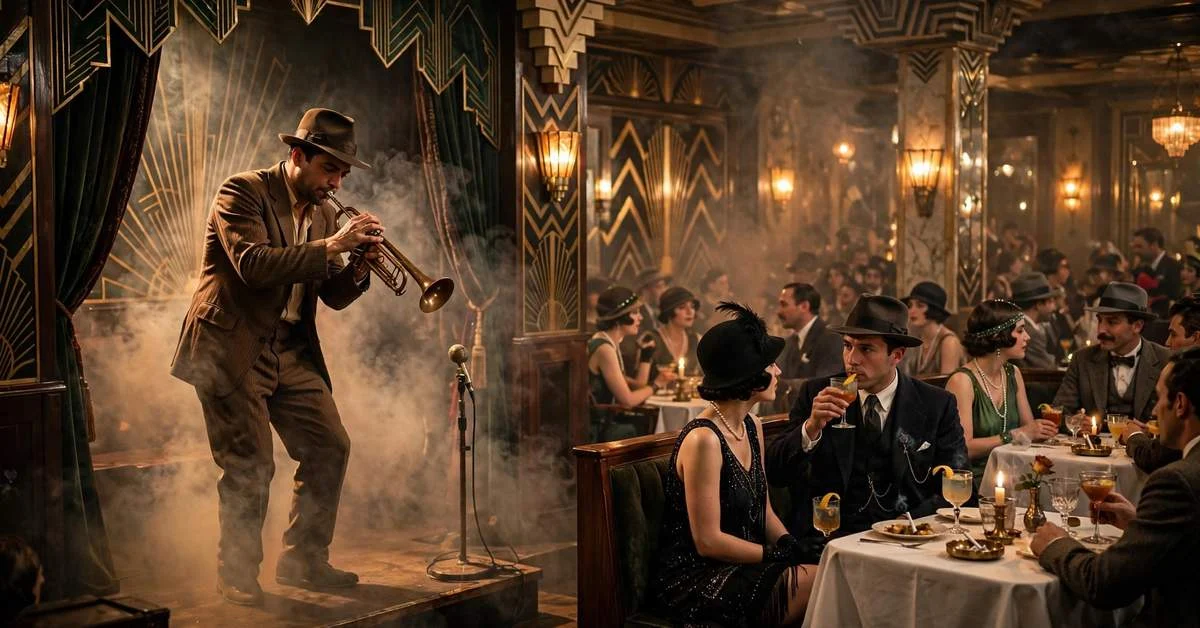
In jazz slang, a cat is a person, usually a musician or a devoted fan who lives and breathes the music. To call someone a cat in the 1920s was to say they belonged, that they got it, that they were one of the cool ones. Picture a smoky club in 1920s Chicago. The trumpet player finishes a wild solo. Someone in the crowd shouts that the cat can play. Nobody looks around for a feline. Everyone knows that a cat means a person, and a cool cat means a person worth knowing. The word came straight out of Black American jazz culture and became the favorite noun of the scene. It survived the Jazz Age, traveled through the beat generation, and still shows up today every time someone says cool cat.
What It Meant to Be a Cat
In the jazz world, cat was a badge of honor. It did not mean just any fan. A cat was someone deep in the music, often a musician, jamming late into the night and trading riffs with fellow players. The word captured the spirit of the scene: creative, rebellious, and built on feeling the music from the inside. Louis Armstrong was the ultimate cat, not only for his trumpet but for the way he lived the music and pushed it somewhere new.
Calling a player a cool cat was the highest praise of the era. It meant the person had style, skill, and soul. The stoke of a late night jam session lived inside that word, the shared electric feeling that everyone in the room understood.
The Hep Cat and the Wolof Theory
A hep cat was a cat with extra credit: someone hip, sharp, and fully in the know. But where did hep cat come from? One popular theory points to the Wolof language of West Africa, where the word hipikat is said to mean someone finely attuned to their environment. The story goes that Black musicians used the word, English speakers misheard it, and hep cat was born. It is a great story, though language experts treat it as a theory rather than a proven fact.
A simpler path may run through American slang itself. To be hep meant to be aware and up to date. Add the favorite noun of the scene and you get hep cat: a person who knows what is going on. Either way, the phrase belonged first to Black jazz culture before spreading to wider audiences.
Cab Calloway Wrote the Dictionary
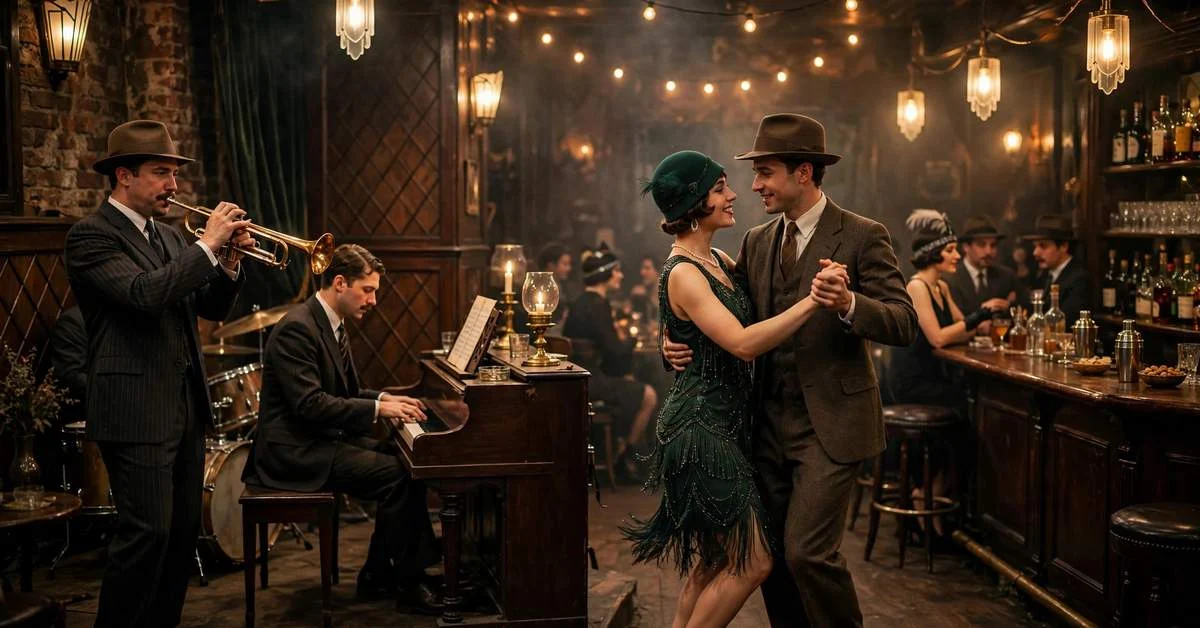
In 1938, bandleader Cab Calloway published a Hepster Dictionary alongside his records, a playful guide to the coded language of the jazz scene. In it, he defined a cat as a musician in a swing band. A hep cat, he explained, was a guy who knows all the answers and understands jive. He even defined frisking the whiskers as what the cats do when warming up for a session.
The dictionary matters because it proves the slang was a real shared language, not a random nickname. Jive talk let musicians and fans speak in code, and cat sat at the center of it. If you knew the words, you were in. If you did not, you were on the outside listening in.
The Whole Cat Family
Once cat took hold, the family grew. A cool cat was smooth and admirable. A crazy cat was wild and unpredictable in the best way. A hep cat was sharp and in the know. Decades later, the beat generation and the hippies softened hep into hip, giving us hip cat and eventually just hip. Each version kept the core idea: this is a person who gets it.
The pattern shows how slang evolves. A tight community coins a word, the wider culture borrows it, and the edges wear smooth with use. By the 1960s, calling someone a cool cat no longer required a trumpet. It just meant they were cool.
From Jazz Clubs to Beatniks to Hippies
The journey of cat maps the journey of American cool. Born in the Black jazz clubs of the 1920s, it rode with the big bands of the 1930s and the bebop players of the 1940s. The beats of the 1950s picked it up, and the hippies of the 1960s carried it further into the mainstream. Like rap battles decades later, the cutting contests where jazz cats tried to outplay each other were how musicians proved themselves. The competitive fire stayed the same even as the music changed.
Each generation sanded the word a little smoother. What started as insider code for jazz musicians became a friendly compliment anyone could use. That is the life cycle of great slang.
Not Actual Felines
The most common confusion is also the funniest. Newcomers hear cool cat and picture a stylish housecat. The jazz cats would have laughed. The word never had anything to do with animals. It was always about people: their style, their skill, their belonging.
The mix-up is understandable. Around the same era, phrases like the cats pajamas used cat imagery for something excellent. But in jazz slang, a cat was simply a person, and a solo that caught fire was pure gas. No whiskers required.
Cats FAQs
Is calling someone a cat offensive?
No. In jazz slang it was praise. Calling someone a cool cat meant you admired their style or skill.
Where did hep cat come from?
It grew out of Black American jazz culture in the 1920s and 30s. One theory traces it to a West African word, but experts treat that as unproven. What is certain is the jazz root.
Do people still say cool cat?
Yes, casually. It survives as a friendly, slightly retro compliment for someone smooth or admirable.
Did only musicians get called cats?
Mostly musicians at first, but devoted fans and scene regulars earned it too. Belonging mattered more than the instrument.
The Last Word on the Jazz Age Cat
A cat was never just a word. It was membership. In a world that often shut Black musicians out, the jazz scene built its own language of respect, and cat was one of its proudest terms. To be called a cat meant you had feeling, you had style, and you had a place in the circle.
The word outlived the smoky clubs and the big bands. Every cool cat compliment paid today carries a little of that 1920s magic: the idea that belonging to something creative makes a person worth naming. The cats are still with us. They just play different instruments now.

I’m Natalie Rivera. I write about internet slang, texting lingo, and modern phrases on grammerzones.com, breaking confusing online language into simple, clear meanings everyone can understand.