Groovy means excellent, cool, or deeply enjoyable. It started as jazz slang in the 1920s, became the signature word of 1960s hippie culture, died out as a serious compliment, and now lives on as an ironic throwback. The word traveled from vinyl record grooves to Woodstock to Austin Powers, and its journey tells the story of American slang itself.
Most people hear groovy and picture bell bottoms and flower crowns. That image is real, but it is only one chapter. The word is about a hundred years old. It belonged to jazz musicians before it belonged to hippies, and it belonged to radio disc jockeys before it belonged to Mike Myers. Every generation picked it up, wore it out, and handed it down.
The Record Groove: Where It All Started
Groovy comes from the groove of a record. In the jazz age of the 1920s, musicians talked about being in the groove. That meant the band was playing in perfect rhythm and the music felt right. A phonograph needle riding the record groove correctly was in the groove, and so was a band that was swinging hard.
Radio disc jockeys of the era announced good grooves, hot grooves, and cool grooves when introducing records. The word groovy grew out of that language. Jazz clarinet player Mezz Mezzrow defined it in his 1946 memoir as really good, in the groove, and enjoyable. Crime writer Chester Himes used it in his 1945 novel. By the early 1940s, bebop musicians were tossing it around like spare change, the same way a later generation would toss around calling a fun time a gas.
This matters because groovy was never invented by hippies. They borrowed it, the same way they borrowed beads, long hair, and so much else from earlier American subcultures. The word arrived in the 1960s with decades of musical credibility already behind it.
From Jazz Clubs to Beatniks to Rock and Roll
After the jazz age, groovy kept moving. The beatniks of the 1950s adopted jazz slang as their own, and groovy came along for the ride. Then 1950s rock and roll picked it up. In 1958, a group called Johnnie Shelton and His Rockabillies recorded a song praising a hangout called Groovy Joes. The word was drifting toward the mainstream, one youth movement at a time.
Each group that used it changed its flavor a little. For jazz players, groovy described sound. For beatniks, it described attitude. For rock and rollers, it described anything fun, much like how based became a badge of approval for a later generation. By the time the 1960s arrived, the word was warmed up and ready for its biggest moment. It just needed the right generation to make it famous.
The Hippie Peak: 1966 Changes Everything
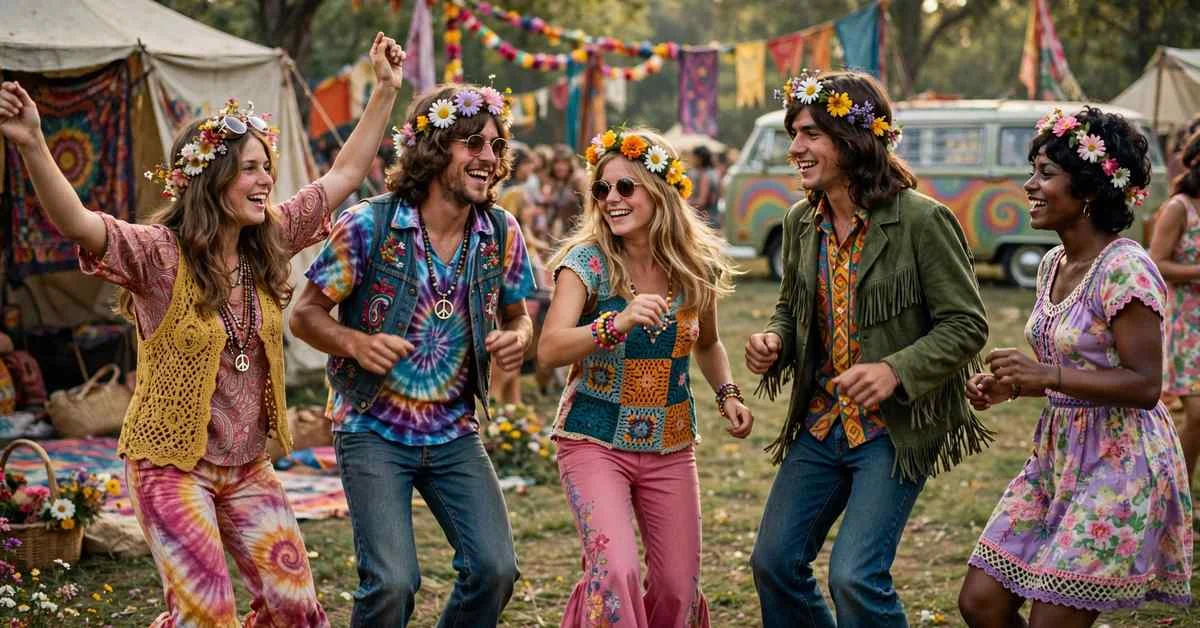
The year 1966 is when groovy went from slang to legend. Simon and Garfunkel released The 59th Street Bridge Song, subtitled Feelin Groovy, and the word suddenly belonged to every teenager with a guitar. Two years later it was everywhere: in movies, on television, in advertising. If something was good, it was groovy. If someone was cool, they were groovy. The word became a badge of belonging.
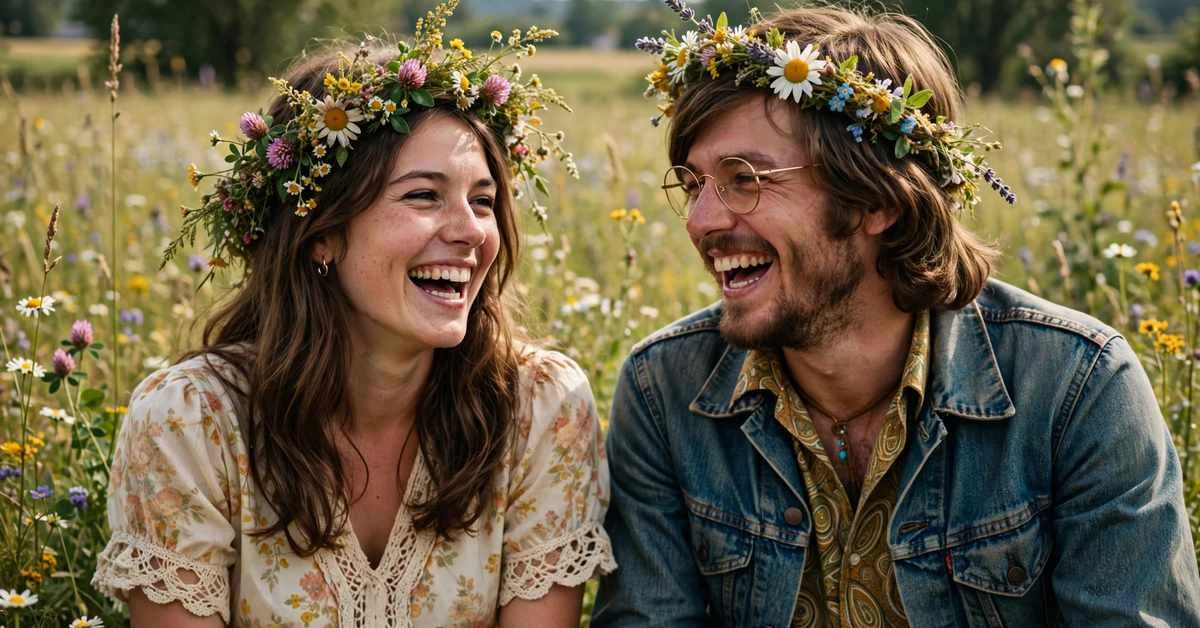
Hippies used it the way jazz musicians had, to describe a feeling of things being right. A groovy afternoon meant the sun was out, the music was playing, and nobody was in a hurry. A groovy person was relaxed, open, and kind. The word carried the whole philosophy of the counterculture inside it: slow down, feel good, be nice.
But fame killed it. By 1971, the New York Times was already publishing articles debating if groovy had ever been truly cool to say. When a newspaper starts analyzing your slang, the slang is in trouble. The word had become a costume, and the kids who invented the 1970s wanted no part of it.
The Crash: When Groovy Stopped Being Cool
The 1970s were rough for groovy. Disco had its own language. Punk hated everything the hippies stood for. Saying groovy in 1978 marked you as a relic, like wearing a tie-dye shirt to a job interview. The word retreated to old movies, reunion specials, and grandparents trying too hard.
This is the normal life cycle of slang. Words burn bright and fast. What made groovy different is that it refused to fully die. It hovered in the background for two decades, waiting. Most slang words never get a second act. Groovy was about to get the biggest one of all.
Austin Powers and the Parody Years
In 1997, Austin Powers: International Man of Mystery turned groovy into a global punchline. Mike Myers played a spy frozen in the 1960s, and groovy was his catchphrase. Millions of people who had never heard the word used seriously now associated it with a comedy character in velvet suits.
This could have been the end. Parody is usually where words go to be buried. Instead, Austin Powers did something strange: he made groovy fun again. The movie treated the 1960s with affection, not contempt. People started saying groovy as a joke, and the joke had warmth in it. A whole generation learned the word as comedy first and history second.
The Ironic Revival
Today, groovy lives a double life. Nobody under forty says it with a straight face, but plenty of people say it with a smile. It shows up in vintage clothing stores, retro playlists, and themed parties. It is the perfect word for describing something old that still feels good, like a vinyl record shop or a perfectly restored 1967 Mustang.
There is also a small but real movement to bring it back seriously. Some young musicians and content creators use groovy without irony, the way their great-grandparents might have. Language works in cycles, and words that were embarrassing for one generation become charming for the next. Groovy may be early in its third act.
How to Use Groovy Today
If you want to use groovy now, know your audience. With friends who get the joke, it is a great word. Try it when something feels pleasantly old school. That diner with the chrome stools is groovy. That funk playlist is groovy. That thrift store jacket is groovy.
Do not use it to describe something modern and serious. Calling a quarterly earnings report groovy will confuse everyone in the room. The word works best when there is a wink in it, a shared understanding that you know exactly what decade you are channeling. Use it the way the jazz players did: to say that something feels right, and keep it as honest as tbh about the fact that you are being playful.
And if someone calls you groovy, take it as a compliment. A hundred years of musicians, beatniks, hippies, and one very funny spy all agreed: groovy means good.
Groovy FAQ
Is groovy still used today? Rarely with a straight face, but yes. It survives as an ironic and affectionate throwback, especially in retro and vintage contexts.
Did hippies invent the word groovy? No. Jazz musicians used it in the 1920s and 1940s, decades before the hippie movement. The hippies made it famous, but they did not invent it.
What is the opposite of groovy? In 1960s slang, the opposite was square, meaning conventional and uncool. Some also used grotty for something gross or tasteless.
Why did Austin Powers say groovy so much? The character was a parody of 1960s spy culture, and groovy was the most recognizable 1960s catchphrase. The movies cemented the word as a comedy reference for a new generation.
Conclusion
Groovy is more than a funny old word. It is a timeline you can hold in your hand, running from a jazz record groove through beatnik coffeehouses, hippie communes, disco backlash, a 1990s comedy franchise, and into the ironic present. Few slang words have lived so many lives.
That is what makes groovy worth knowing. Most slang is disposable, used for a summer and forgotten. Groovy kept getting rediscovered because the feeling it describes never goes away: that moment when the music is right, the mood is easy, and everything is, well, groovy. Say it with a smile. A century of cool people said it before you.

I’m Riley Spencer. I track down the latest slang, memes, and viral phrases for grammerzones.com, explaining what they mean and how people actually use them, in plain simple words.